How to Prepare Solar Setups for Storms in Seattle, WA

Seattle experiences frequent rain, strong winds, and seasonal storms that challenge residential solar systems every year. According to industry reports, millions of American homes now use solar energy, while weather related outages continue increasing nationwide. Therefore, homeowners should prepare systems before severe conditions arrive for better reliability. Some homeowners researching mobile energy solutions also compare diy Sprinter van conversion cost when planning dependable backup power strategies alongside residential solar investments.

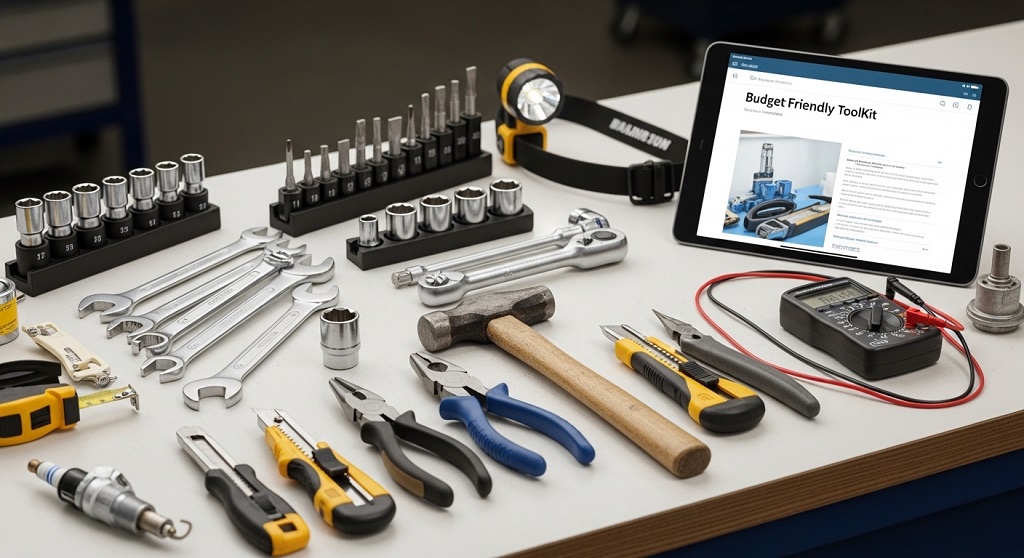
How to Build a Budget Mechanic Tool Kit for Beginners in 2026

How to build a budget mechanic tool kit in 2026 means choosing essential, reliable tools first instead of buying large expensive sets. A beginner can start with a small socket set, wrench set, screwdrivers, pliers, torque wrench, and safety gear for under $150–$250 while still covering most basic car maintenance tasks. The key is prioritizing versatility, durability, and upgrade flexibility rather than brand prestige.

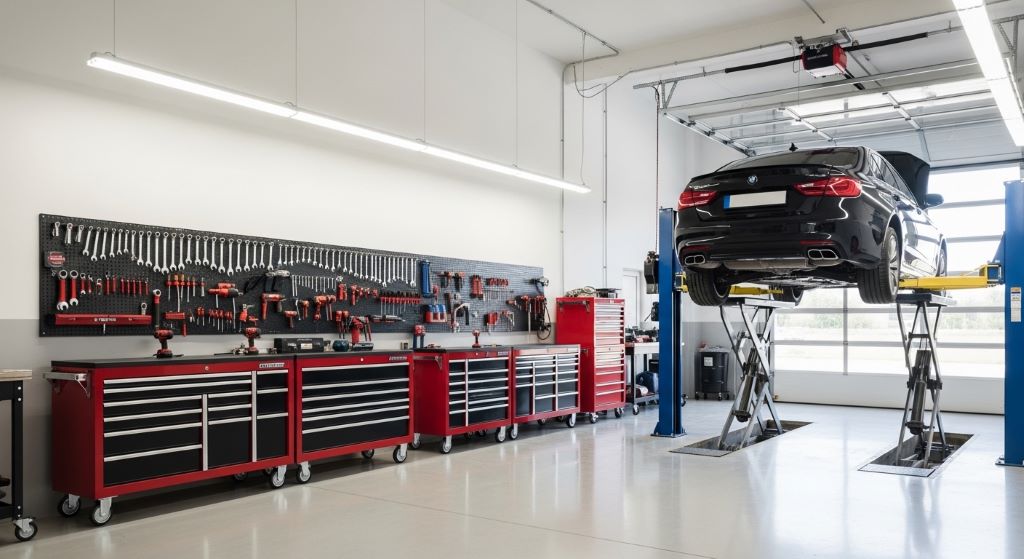
How to Set Up a Profitable Auto Repair Garage with the Right Tools

Opening your own auto repair garage is a bold and exciting move. For many mechanics, it is the dream — no more working for someone else, setting your own schedule, and building a business from the ground up. However, the difference between a garage that thrives and one that barely survives often comes down to preparation. Knowing what tools to buy, how to organize your space, and how to attract loyal customers gives you a real advantage from the very beginning.

Deciding Between a Brand-New Car and a Second Hand One

A car is a big investment and when it comes to choosing a new car, there are lots of things that you need to consider. When you are replacing your old car there can be many reasons for this – it might be that you have had a change of lifestyle, and your old car is no longer suitable or economical, such as a new job or a bigger family for example, or it might be that your old car is on its last legs and needs to be scrapped.

Whatever the reason is for changing your car, you basically have two choices – buy a brand-new car or opt for a second hand one. There are pros and cons to both, so it is worth weighing these up to help you decide what is right for you…

When you buy a brand-new car, the value of the vehicle drops as soon as you drive it away, so as an investment it isn’t great. However, what you do get is a car that is brand new – you know it’s not had a chequered history, and that it will be reliable. It will also come with a manufacturer’s warranty and come with the most modern technology and safety features.

When buying a car second hand it is more of a gamble, however you are able to get a car for much cheaper than you would buying brand new. A car that is more than three years old requires an annual MOT test somewhere like this MOT Gloucester based garage https://www.123carandcommercial.com/mot-gloucester/

If you do your research and know a bit about what to look for in a second-hand car you can get yourself a reliable car for less than you would pay brand new.

Five Trailer Components That Might Leave You Stranded (And How to Check Them)

The only thing that will break the rhythm of a journey is mechanical failure in an outback town with no place nearby to get help. But a few basic checks before you hit the road can prevent most roadside disasters, especially those that afflict these five most-maligned components.

Purchasing A Second-Hand Trailer.

Just like when purchasing any second-hand car, when investing in a used Trailer, you should do your research and be on the look-out for a potential “Lemon”.  A popular term and slang for a worthless, defective car, that leaves a “sour taste” in the mouth of the buyer, similar to the tartness of a real lemon.  This often-used term for a car that proved to be a potential money-pit and completely unreliable, was cemented by the famous 1960s Volkswagen advertisement that highlighted their own quality control issues by simply captioning a photo of a flawed car as a “Lemon”.

Always take a second person with you when purchasing a second-hand vehicle, even if you are just buying a Trailer, another pair of eyes can help to spot any major, potential flaws.  Once you have chosen your Trailer you can purchase all the quality spares you may need to keep it road worthy, safe and reliable from a professional, reputable, experienced  Trailer Parts supplier such as https://autoandtrailer.com/shop/trailer-parts.

From Body Fittings, Brake & Hub Parts, Couplings & Spares and Electrics, to Hydraulics, Jockey Wheels & Prop Stands, Lighting, Storage Boxes, Suspension Spares, Towbar Accessories, Trailer Axles & Stubs, literally any spare part your trailer may need, this team of consummate professionals can obtain for you.  With their decades of experience and their comprehensive knowledge of this elite Industry they are also happy to offer their free advice to anybody that contacts their huge warehouse.

Why Your Car’s Engine Is Knocking and What to Do

Engine knocking is one of the most concerning sounds a car owner can hear. This metallic pinging or knocking noise from under the hood signals potential problems that require immediate attention. Understanding what causes engine knock and knowing how to address it can save you from costly repairs and keep your vehicle running smoothly. When dealing with engine issues, consulting with professionals like Automotive Smart Solutions can provide expert guidance for proper diagnosis and repair.

Will a Pocket Knife Break a Car Window

Emergency situations sometimes require breaking car windows for safety or rescue purposes. Many people wonder whether common tools like pocket knives can effectively shatter automotive glass. Understanding window breaking techniques becomes crucial during emergencies involving locked vehicles, medical situations, or water submersion scenarios. Vehicle Trade US provides comprehensive automotive safety information to help drivers prepare for unexpected situations and understand their vehicle’s safety features.

Chapter 8 Chevrons: Decoding the Grades That Protect Our Roadways

Those red and white striped chevrons you see all over the rear ends of emergency vehicles aren’t just design flourishes – they’re a meticulously graded safety system that may mean life or death. Chapter 8 chevrons are available to suit different situations and vehicle types – they’re not one-size-fits-all.

Understanding the Grading System

Chevrons for Chapter 8 come in three main types: each provides a different classification within the traffic industry and emergency response. As safety grade IDs, they have the following hierarchy — more sophisticated protection and visibility needs are fulfilled by top-grade grades.

Grade 1: The Entry Level

The lowest level is intended to provide support for vehicles operating in low-risk situations. These are most often utilised in conjunction with vehicles that operate on secondary roads or work within confined traffic control areas. This reflective material meets minimum visibility standards even in daylight or under normal lighting conditions. Local authority vehicles, as well as minor maintenance trucks or others that are used only for short periods in areas where speeds do not exceed a specific level.

Grade 2: The Workhorse

Grade 2 chevrons are a huge step up in safety. These are provided for moderate to high risk environments such as dual carriageways and busy A-roads. The reflective materials, meanwhile, are now more durable and they light up to aid in low-light visibility. Grade 2 has to meet a higher mechanical durability cycle and be more highly conspicuous from distances with less light. This grade is mainly used on emergency service vehicles, highway maintenance trucks and recovery vehicles.

Grade 3: The Heavy-Duty Champions

Available as the ultimate, Grade 3 Chevrons are for life in those harshest of climates. These are only compulsory for vehicles with traffic on motorways, dual carriageways & high-speed roads where maximum visibility is needed. Built to be observed from a distance and in adverse weather conditions. For Chapter 8 chevrons, visit www.pvluk.com/chapter-8-chevrons

Key Differences Beyond Visibility

Not only do the grades reflect at different levels, but they also have different construction standards and are subjected to various degrees of testing and certification. Higher grades receive more stringent testing for weatherability, impact resistance, and long-term performance.

The Bottom Line

Chevron grades are not randomly assigned categories of protection, but tiers that have been considered for the proper balance between risk and safety. Understanding them also makes sure that when these vehicles are sold, they’re actually fit to operate in the area where you live and work – which helps keep everyone on (or near) one of those roads safer.

Stand Out From The Crowds On The Busy Motorways And Roads Of The UK.

Recent statistics show that there were 41.4 million licensed vehicles in the United Kingdom in the year 2023 and that over 333.7 billion miles were travelled on all roads, including motorways, ‘A’ roads, and minor roads.  Vehicles are broadly categorised into cars, light goods vehicles, heavy goods vehicles, motorcycles, buses, coaches, and other vehicles including bicycles.  With so many drivers and riders on the busy roads and motorways, Emergency Vehicles such as Ambulances, Fire Engines and Police Cars have to “Stand Out From The Crowds”.

With their loud sirens and their bright Chapter 8 Chevrons potentially obtained from an experienced, professional, reputable provider such as vehiclechevrons.com/, these life-saving vehicles are clearly heard and seen.  Ambulances are possibly driving with seriously injured people on board, the Fire Engines potentially travelling to put out a large fire and the Police Cars are maybe on their way to a serious incident, so standing out from the crowds is essential!

Primarily used on vehicles working on public highways, especially those stopping or operating at speeds of 40mph or greater, Chapter 8 chevron markings greatly enhance visibility, which increases driver safety, particularly in work zones or areas with high traffic volume.  Utility vehicles (telecom, electricity, water), slow-moving vehicles (agricultural machinery), road maintenance vehicles, and vehicles used for escorting oversized loads usually feature these bright and colourful markings.   Featuring alternating red and yellow-green stripes, (the yellow-green stripes being fluorescent for daytime visibility) while, the red stripes are retro-reflective for brighter nighttime visibility.