
How Solar Geoengineering Works: Stratospheric Aerosols and Climate Intervention
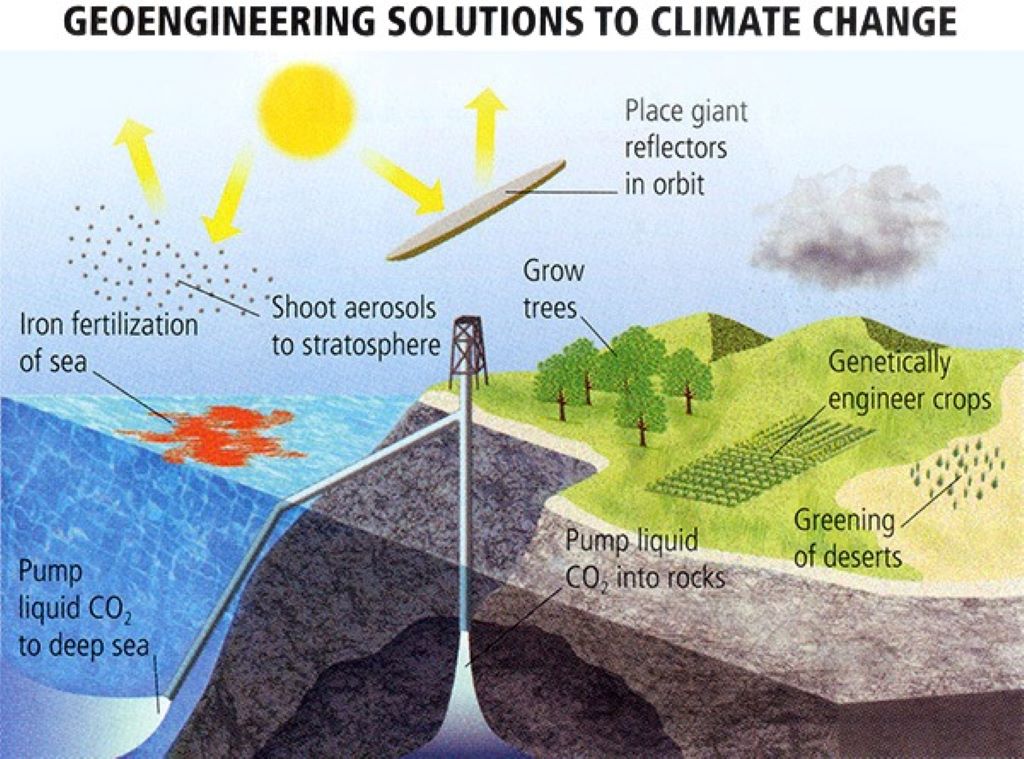
Solar geoengineering, a bold approach to climate intervention, aims to cool Earth by reflecting sunlight. It uses stratospheric aerosols, tiny particles injected into the atmosphere, to mimic natural cooling effects, like volcanic eruptions. This method sparks fascination due to its potential to address global warming. However, it raises concerns about risks and ethical dilemmas. According to a 2021 study by Harvard’s Solar Geoengineering Research Program, these techniques could reduce global temperatures by 1–2°C if deployed effectively. My curiosity about this topic grew after attending a climate conference where experts debated its feasibility. This article explores how solar geoengineering works, its mechanisms, benefits, challenges, and future implications, offering clear insights for readers eager to understand this innovative climate solution.