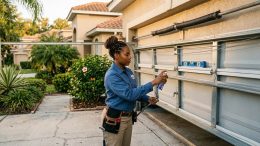
Garage doors handle daily wear, heavy movement, and changing weather throughout the year. In fact, most residential garage doors open and close more than 1,500 times annually, which increases stress on springs, tracks, and rollers. Orlando homeowners also face high humidity, strong storms, and fluctuating temperatures that can weaken garage door components over time. Because of these conditions, regular maintenance becomes essential for preventing costly repairs and safety risks. Many homeowners experience garage door leveling problems due to neglected maintenance and poor seasonal care. Fortunately, simple inspection and servicing practices can keep your garage door balanced, stable, and operating smoothly for years.
Why Garage Door Leveling Matters
A properly leveled garage door opens evenly and closes without strain. Balanced movement protects the opener, tracks, and springs from unnecessary pressure. Moreover, a level garage door creates a secure seal that keeps out rainwater, pests, and outdoor heat. Orlando homeowners especially benefit from this protection during the rainy season.
An uneven garage door often causes loud noises and jerky movement during operation. In some cases, the door may stop halfway or lean to one side. These warning signs usually indicate track misalignment, worn springs, or cable tension problems. Therefore, quick maintenance action prevents larger structural issues later.
Garage door leveling also affects home safety and energy efficiency. Gaps under an uneven door allow humidity and warm air to enter the garage. Consequently, indoor temperatures rise and moisture damage becomes more likely. Routine inspections help homeowners identify small problems before they affect the entire system.
Common Causes of Garage Door Leveling Problems in Orlando
Humidity and Moisture Damage
Orlando experiences high humidity throughout most of the year. Excess moisture can rust metal tracks, weaken springs, and damage hardware connections. As a result, the garage door may shift unevenly during operation. Regular lubrication and rust prevention help reduce this risk significantly.
Wooden garage doors face additional moisture-related issues in Florida climates. Humidity causes wood to swell, warp, or bend over time. Consequently, the door loses its balanced structure and struggles to stay level. Homeowners should inspect wooden panels regularly for signs of water damage.
Storm and Wind Pressure
Florida storms create strong wind pressure against garage doors during heavy weather events. Repeated force can loosen brackets, tracks, and mounting hardware over time. Therefore, garage doors may begin leaning or moving unevenly. Seasonal inspections become especially important before hurricane season begins.
Flying debris during storms may also damage rollers and tracks. Even small dents or bends can interrupt smooth door movement. In many cases, homeowners ignore minor storm damage until leveling problems become severe. Immediate repairs prevent larger mechanical failures later.
Daily Wear and Tear
Garage doors contain many moving parts that wear down with regular use. Springs lose tension, rollers become damaged, and cables stretch over time. Consequently, the entire door system may lose proper alignment. Preventive maintenance reduces the impact of long-term wear.
Families that frequently use the garage as a main entrance place additional strain on the system. More daily cycles increase the chance of imbalance and uneven movement. Therefore, high-use households should schedule inspections more often. Consistent upkeep helps maintain smooth and safe operation.
Essential Garage Door Maintenance Practices
Inspect the Door Monthly
Monthly inspections help identify small issues before they become expensive repairs. Homeowners should examine tracks, hinges, cables, and rollers for visible wear or damage. Additionally, checking for rust or loose hardware improves long-term performance. Simple inspections take only a few minutes each month.
Pay attention to unusual sounds during operation as well. Grinding, squeaking, or rattling noises often signal alignment problems or worn components. Furthermore, slow or uneven movement may indicate spring imbalance. Early detection helps prevent sudden breakdowns.
During inspections, homeowners should also observe how the door sits when closed. Uneven gaps along the floor usually indicate leveling issues. Consequently, quick adjustments can stop further strain on the opener and tracks. Consistent observation supports safer operation.
Keep Tracks Clean and Clear
Garage door tracks collect dirt, leaves, and debris over time. In Orlando, heavy rain and outdoor humidity often increase buildup inside the tracks. As a result, rollers may struggle to move evenly. Cleaning the tracks regularly improves smooth movement.
Use a dry cloth or soft brush to remove debris from the tracks. Avoid using harsh chemicals that could damage metal surfaces. Additionally, inspect the tracks for dents or bending during cleaning. Small structural issues can affect leveling quickly.
Clean tracks also reduce unnecessary pressure on rollers and springs. When parts move smoothly, the door stays balanced longer. Consequently, homeowners avoid premature wear and expensive replacement costs. Preventive cleaning remains one of the simplest maintenance tasks.
Lubricate Moving Components
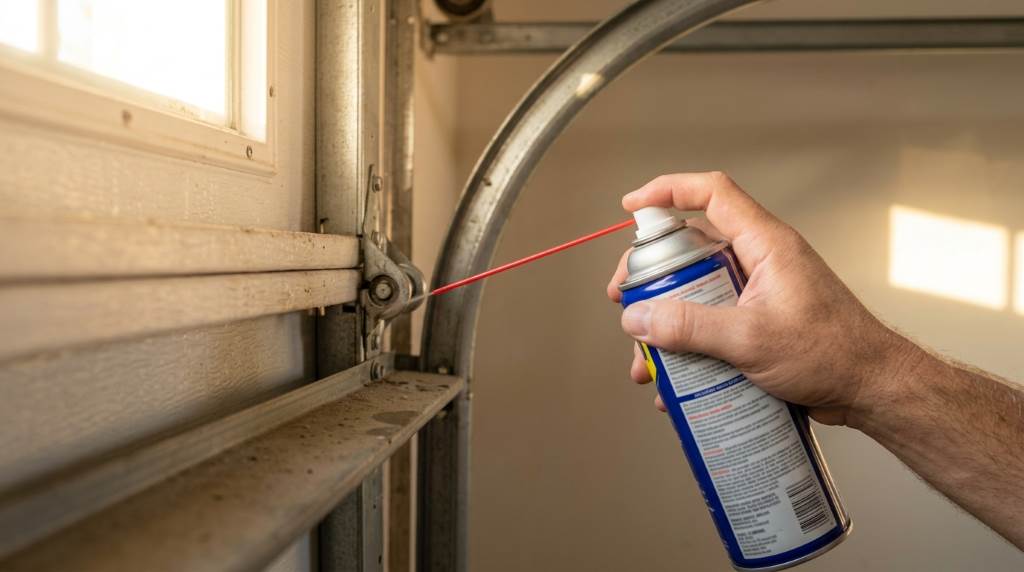
Lubrication reduces friction between moving garage door parts. Springs, rollers, hinges, and bearings all require proper lubrication for smooth operation. Without lubrication, parts wear out faster and increase leveling stress. Therefore, homeowners should lubricate components every few months.
Silicone-based garage door lubricant works best in humid Florida climates. Unlike heavy grease, silicone sprays resist moisture and dirt buildup. Additionally, proper lubrication minimizes squeaking and grinding noises. Smooth movement helps maintain door balance over time.
Avoid overapplying lubricant because excess product attracts dust and debris. A light, even coating provides sufficient protection for most components. Furthermore, homeowners should wipe away excess lubricant after application. Consistent care improves system longevity significantly.
The Importance of Spring and Cable Maintenance
Monitor Spring Tension
Garage door springs carry most of the door’s weight during operation. When springs lose tension, the door may open unevenly or close too quickly. Consequently, leveling problems become more noticeable over time. Routine spring inspections help maintain balanced movement.
Torsion springs especially require careful attention because they experience heavy strain daily. Homeowners should look for visible gaps, rust, or stretching. Additionally, uneven lifting often signals spring imbalance. Professional adjustment may become necessary when these signs appear.
Spring maintenance improves safety as well as performance. Broken springs can cause sudden door collapse or opener damage. Therefore, preventive inspections reduce the chance of dangerous failures. Orlando homeowners benefit from scheduling annual professional evaluations.
Check Cable Condition
Garage door cables support the lifting system and maintain even movement. Frayed or loose cables often create tilting and alignment issues. Consequently, the door may appear crooked during operation. Regular cable inspections help prevent sudden failures.
Humidity and moisture exposure can weaken steel cables over time. Rust formation also reduces cable strength and flexibility. Therefore, Orlando homeowners should inspect cables frequently for corrosion or fraying. Immediate replacement prevents more serious system damage.
Never attempt complex cable repairs without proper training. Garage door cables operate under high tension and can cause injury. Instead, homeowners should contact qualified technicians for major adjustments. Professional servicing ensures safe and accurate repairs.
Weather-Specific Maintenance Tips for Orlando Homeowners
Prepare for Hurricane Season
Hurricane season creates additional stress on garage door systems across Florida. Strong winds and pressure changes can loosen hardware and affect alignment. Therefore, homeowners should inspect reinforcement brackets and mounting points before storms arrive. Preventive preparation protects both the garage door and the home.
Storm-rated garage doors provide extra durability during severe weather conditions. Reinforced systems resist bending and maintain better balance under pressure. Additionally, impact-resistant doors reduce the chance of track damage from debris. Investing in stronger materials improves long-term stability.
After major storms, inspect the entire garage door system carefully. Look for bent tracks, loose bolts, or damaged rollers immediately. Even small shifts can lead to leveling problems later. Prompt maintenance keeps the system operating safely.
Control Moisture Exposure
Florida’s climate creates constant moisture exposure around garage door systems. Poor drainage near the garage can increase rust and water damage risks. Consequently, homeowners should keep gutters and drainage systems functioning properly. Dry conditions support better mechanical performance.
Weather seals also play an important role in moisture protection. Damaged seals allow rainwater and humidity to enter the garage easily. Therefore, replacing cracked or worn seals helps protect door components. Better sealing improves both leveling and energy efficiency.
Ventilation inside the garage matters as well. Excess indoor humidity can damage metal and wooden parts over time. Installing proper ventilation or dehumidifiers helps reduce moisture buildup. Controlled humidity supports longer-lasting garage door performance.
Signs Your Garage Door Needs Professional Attention
Some leveling problems require expert diagnosis and repair. Homeowners should recognize warning signs before damage becomes severe. For example, uneven opening, shaking movement, and loud grinding noises often indicate mechanical issues. Professional service prevents additional strain on the system.
A garage door that stops halfway or reverses suddenly may have balance problems. In many cases, spring tension or track alignment causes this behavior. Additionally, visible gaps beneath the door often suggest leveling concerns. Immediate repairs improve safety and performance.
Professional technicians use specialized tools to measure alignment accurately. They can also adjust springs, cables, and tracks safely. Consequently, homeowners avoid dangerous repair mistakes and costly damage. Annual professional maintenance provides valuable long-term protection.
Simple Preventive Maintenance Checklist
Homeowners can follow a basic checklist to reduce leveling problems year-round. Consistent care helps maintain smooth and reliable garage door performance. Additionally, preventive habits reduce emergency repair costs. Simple maintenance routines create long-term benefits.
- Inspect rollers, tracks, and hinges monthly
- Tighten loose bolts and hardware regularly
- Lubricate moving components every few months
- Clean dirt and debris from tracks
- Check weather seals for cracks or wear
- Watch for uneven movement or strange noises
- Schedule professional inspections annually
Following these steps improves garage door stability and safety. Moreover, regular upkeep extends the lifespan of the entire system. Orlando homeowners especially benefit from climate-specific maintenance routines. Preventive care remains more affordable than major repairs.
Related:
How best to use your garage
Top Ways You Can Improve Your Garage
Benefits of Consistent Garage Door Maintenance
Routine maintenance protects homeowners from expensive structural repairs. Balanced doors place less stress on openers, springs, and tracks. Consequently, systems operate more efficiently and last longer. Preventive care also reduces sudden breakdown risks.
Well-maintained garage doors improve home security and convenience. Smooth operation ensures reliable opening and closing every day. Additionally, level doors create tighter seals against outdoor heat and moisture. Better insulation supports lower energy costs in Florida climates.
Consistent maintenance also increases property value and curb appeal. A properly functioning garage door enhances the overall appearance of the home. Furthermore, buyers often appreciate homes with documented maintenance history. Long-term care provides both functional and financial advantages.
Conclusion
Garage door leveling problems often develop slowly, but regular maintenance can prevent most issues before they become costly repairs. Orlando homeowners face unique climate challenges, including humidity, storms, and heavy daily use, which make preventive care especially important. Monthly inspections, proper lubrication, track cleaning, and seasonal preparation all help maintain balanced and reliable garage door performance. Additionally, professional inspections provide added safety and long-term protection for critical components.
If your garage door shows signs of uneven movement or alignment issues, schedule a professional inspection as soon as possible. Early maintenance saves money, improves safety, and keeps your garage door operating smoothly throughout the year.
FAQs
How often should I inspect my garage door in Orlando?
You should inspect your garage door at least once every month for signs of wear or imbalance.
Can humidity cause garage door leveling problems?
Yes, high humidity can rust metal parts and warp wooden doors, leading to uneven movement.
What lubricant works best for garage doors in Florida?
Silicone-based lubricant works best because it resists moisture and dirt buildup.
Should I repair garage door springs myself?
No, garage door springs operate under high tension and require professional handling for safety.
Why does my garage door look uneven when closed?
Uneven gaps usually indicate leveling issues caused by worn springs, tracks, or cables.