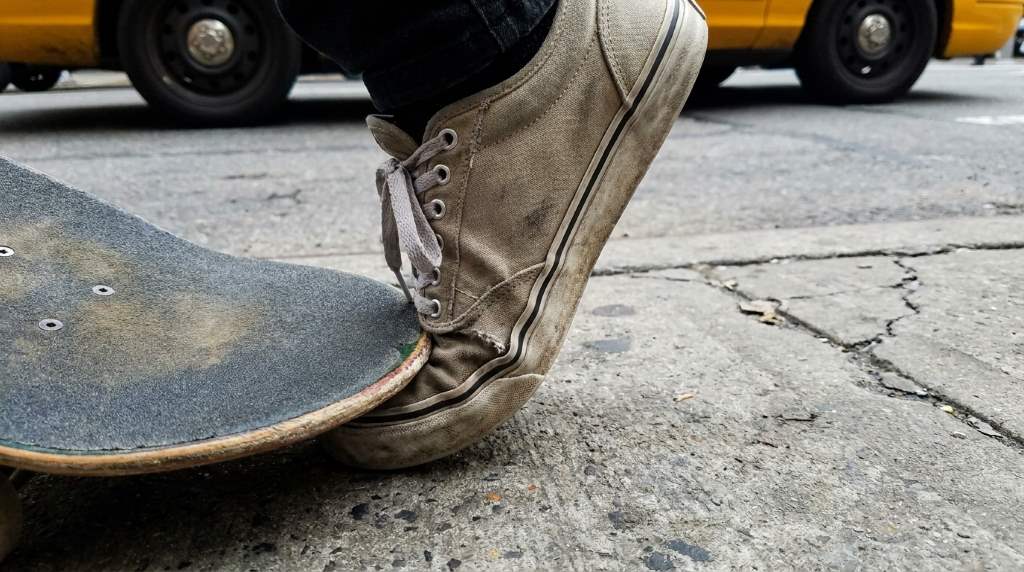
The best way to prevent toe pinches while skateboarding is to fix shoe fit, lacing, stance, and board control together. Leave about 10 to 15 millimeters of space ahead of your longest toe for comfortable movement.
New York streets demand quick foot adjustments, repeated pushing, and confident landings. Therefore, even minor pressure can become painful during longer sessions. Choosing wide fit skate shoes can also reduce unwanted side pressure. Smart preparation keeps your feet comfortable across parks, plazas, and rough city pavement.
Key Takeaways
- Choose skate shoes with enough toe length and natural forefoot width.
- Secure your heel without squeezing your toes or forefoot.
- Replace compressed insoles before they create new pressure points.
- Adjust laces around pressure-sensitive areas instead of tightening everything.
- Use smoother foot placement when pushing across uneven New York pavement.
- Stop early when numbness, burning, or sharp pressure develops.
Start With the Right Skate Shoe Fit
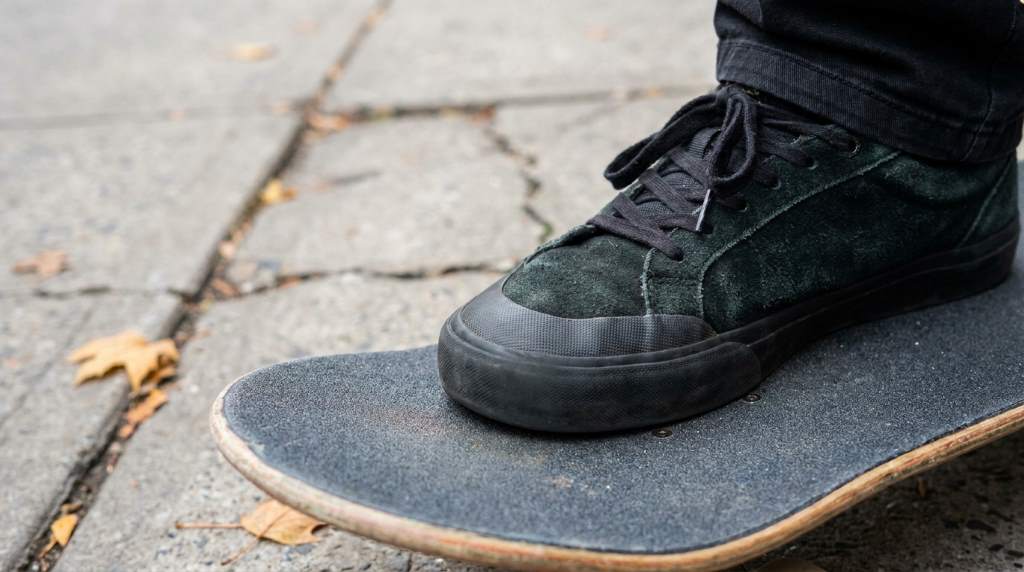
Most toe pinches begin with poor shoe geometry rather than skateboarding technique. A shoe can feel comfortable initially yet compress your toes after several hours.
First, stand naturally while wearing the socks you normally skate in. Then check whether your longest toe touches the front when you bend your knees.
Your toes should move slightly without sliding excessively inside the shoe. Meanwhile, your heel should remain secure when you lift your foot.
Measure both feet because one foot often measures slightly larger than the other. Always fit the larger foot rather than forcing both feet into one exact size.
Next, test the shoe while standing and crouching. Your toes should remain relaxed when your knees move forward over your feet.
Look for a rounded or anatomically shaped toe box rather than an aggressively tapered front. A narrow front can squeeze smaller toes during repeated turns.
Also consider the shoe’s upper material and construction. Flexible materials usually adapt better when your feet swell during extended skating sessions.
Before buying, compare actual interior dimensions rather than relying only on the printed shoe size. Different skate brands can produce noticeably different fits.
Finally, walk and squat for several minutes before skating. If pressure appears immediately, skating usually makes the problem worse.
Why New York Streets Make Toe Pressure Worse
New York skating conditions create challenges that indoor surfaces rarely reproduce. Cracked pavement, metal edges, curbs, and abrupt surface changes demand constant foot repositioning.
That constant adjustment can push your toes toward the front of your shoes. Therefore, a slightly loose heel or short toe box can quickly become uncomfortable.
Street skating also involves frequent pushing, stopping, turning, and repeated attempts. Each movement changes how your toes contact the shoe’s interior.
For example, rough pavement can make you grip the board harder with your feet. That tension can increase pressure across the forefoot and toes.
Consider the surface before choosing your footwear and session length. Smoother skateparks usually create fewer unexpected foot movements than rough sidewalks.
Likewise, review your equipment setup before blaming your shoes. Understanding eco skateboards every skater can help you compare deck characteristics and riding feel.
A responsive setup may encourage cleaner foot placement and reduce unnecessary corrections. However, equipment cannot compensate for a poorly fitting shoe.
When skating around busy streets, plan routes around smoother surfaces whenever possible. Fewer abrupt impacts can reduce repeated toe movement inside the shoe.
Fix Your Lacing Without Losing Foot Control
Lacing controls pressure more than many skaters realize. Tightening every eyelet equally can compress the forefoot unnecessarily.
Instead, adjust the laces according to your foot shape. Keep the lower section comfortable while securing the middle and upper sections firmly.
If your toes feel compressed, loosen the eyelets directly above the pressure point. Then tighten the upper eyelets enough to prevent heel movement.
This approach creates targeted support rather than squeezing the entire foot. Consequently, your toes gain more room while your heel stays controlled.
Try different lacing patterns when standard lacing creates pressure. Skipping one eyelet over a sensitive area can provide useful relief.
However, avoid lacing so loosely that your foot slides forward during braking. Forward movement repeatedly drives your toes against the shoe’s front.
Test your lacing while standing on the board. Then perform a few crouches, pushes, and turns before starting a longer session.
Your ideal tension should feel secure without creating numbness or tingling. Any persistent pressure signals that you should change the setup.
Also inspect your laces regularly for stretching or damage. Worn laces can change tension and make your foot move unexpectedly.
Choose the Right Deck and Riding Setup
Your skateboard setup can influence how your feet move during tricks and transitions. A deck that matches your stance can make foot placement more predictable.
Start by considering deck width and your natural stance. Excessive adjustment between tricks can increase unnecessary pressure inside your shoes.
Likewise, avoid changing several setup components immediately after developing toe pain. Change one factor at a time so you can identify the real cause.
Review your deck options carefully, especially when replacing worn equipment. A useful Primitive skateboarding deck price guide can help you compare deck choices before purchasing.
Truck positioning also affects how quickly your board responds to foot pressure. Choose a setup that feels stable during your most common movements.
Wheel hardness matters when you regularly skate rough streets. Softer wheels can absorb more surface vibration and reduce abrupt foot movement.
However, equipment changes should support good technique rather than hide poor footwear. Your shoes still need sufficient length, width, cushioning, and heel security.
Keep your setup consistent during important practice sessions. Consistency helps your feet learn predictable movements and reduces unnecessary corrections.
Use Technique to Reduce Toe Compression
Better technique can reduce the force traveling through your toes. Start by keeping your weight centered rather than constantly leaning toward your front foot.
During pushing, place your riding foot securely across the deck. Avoid curling your toes aggressively to maintain balance.
When stopping, distribute pressure across your foot instead of relying heavily on your toes. Smooth weight transfer reduces sudden forward movement inside your shoe.
For turns, bend your knees and keep your center of gravity stable. This position lets your ankles and legs absorb movement more effectively.
During landings, avoid locking your knees immediately. A controlled landing allows your legs to absorb impact before pressure reaches your feet.
Practice these movements at low speed before attempting them on crowded streets. Gradual practice gives you better control without demanding excessive toe tension.
Also watch your posture during longer sessions. Fatigue often causes skaters to grip the board harder and shift weight inefficiently.
Take short breaks before technique deteriorates. A five-minute reset can prevent repeated mistakes that gradually increase toe pressure.
Manage Socks, Insoles, and Foot Swelling
Socks can change how your shoes feel within minutes. Thick seams across the toes may create pressure even when the shoe fits correctly.
Choose smooth, breathable skate socks that keep your feet comfortable. Avoid excessive fabric around the toe box because it consumes valuable interior space.
Insoles also deserve regular attention. A compressed insole can reduce cushioning and alter your foot position inside the shoe.
Replace heavily worn insoles when they develop permanent flattening or uneven support. A fresh insole can restore comfort without requiring larger shoes.
Your feet may also swell during long skating sessions. Therefore, test footwear after activity rather than judging fit only during a brief morning fitting.
Keep your feet dry whenever possible. Moisture increases friction, which can make existing pressure points feel significantly worse.
If you skate after walking several blocks, account for that additional activity. Your shoes should remain comfortable after your feet warm up.
Carry an extra pair of socks for longer sessions. Changing damp socks can improve comfort when weather or activity increases moisture.
Know When Your Shoes Need Replacement
Skate shoes lose their protective structure gradually. Repeated impacts compress cushioning and weaken materials around the forefoot.
Inspect the toe box for permanent deformation. If the material collapses inward, it can create new pressure against your toes.
Check the outsole for uneven wear as well. Severe wear can change your stance and encourage awkward foot positioning.
Look inside the shoe for damaged lining or exposed stitching. Small interior defects can create concentrated friction during repeated movements.
Replace shoes when comfort disappears despite proper lacing and technique. Continuing to skate through persistent pressure rarely solves the underlying problem.
Do not judge remaining shoe life by appearance alone. A visually intact shoe can still lose essential cushioning and structural support.
When purchasing a replacement, compare the new pair against your current fit. Identify exactly where the old pair caused pressure before choosing another model.
Build a Toe-Friendly Skate Session
Preparation can prevent many problems before your first push. Start with a short walking test before committing to a full skate session.
Then perform ankle circles, controlled squats, and gentle calf movements. These simple movements prepare your lower legs without exhausting them.
Begin skating at moderate intensity rather than immediately attempting demanding tricks. Your feet need time to adapt to pressure and movement.
After several minutes, reassess your toes. Early discomfort usually provides a useful warning before serious irritation develops.
Plan breaks around your session rather than waiting for pain. Regular pauses let you adjust socks, laces, or equipment before discomfort escalates.
For longer sessions, keep your essentials organized and accessible. A must-have skateboard holder can simplify equipment storage between skating periods.
Choose routes with predictable surfaces when practicing new techniques. Familiar pavement lets you concentrate on movement rather than unexpected impacts.
Finally, finish the session when your technique becomes noticeably less controlled. Fatigue increases compensatory movements that can worsen toe pressure.
What to Do When Toe Pinching Starts
Stop skating when a sharp pinch develops rather than trying to push through it. Continuing can increase irritation and alter your movement pattern.
Remove your shoes and inspect your toes for redness, swelling, or visible irritation. Then identify the exact location where pressure developed.
Loosen the laces and let your feet rest for several minutes. If the pressure disappears, reassess your lacing before continuing.
Persistent pain deserves more caution than temporary pressure. Consider ending the session when discomfort returns immediately after restarting.
Numbness, significant swelling, skin breakdown, or worsening pain requires additional attention. A qualified healthcare professional can assess symptoms that do not resolve normally.
Never rely on painkillers simply to continue skating through an obvious footwear problem. Pain can provide important information about pressure, injury, or excessive strain.
Record what caused the problem after each session. Notes about shoes, surfaces, tricks, and session length can reveal recurring patterns.
A Practical Toe-Pinch Prevention Checklist
Use this checklist before every longer skate session. It takes only a few minutes but can prevent avoidable discomfort.
- Fit check: Confirm adequate toe space and secure heel placement.
- Lacing check: Remove unnecessary pressure across the forefoot.
- Sock check: Use smooth socks without bulky toe seams.
- Insole check: Replace flattened or uneven insoles.
- Equipment check: Inspect deck, trucks, wheels, and shoe condition.
- Surface check: Choose smoother routes when possible.
- Body check: Start relaxed and avoid gripping with your toes.
- Comfort check: Stop early if sharp pressure, numbness, or burning appears.
This routine works because it addresses footwear, equipment, technique, and environment together. More importantly, it encourages you to respond before discomfort becomes an injury.
Conclusion: Keep Your Toes Comfortable While Skating New York
Preventing toe pinches starts with enough toe space, secure heel support, controlled lacing, and efficient technique. New York’s demanding surfaces make those fundamentals even more important.
Before your next session, inspect your shoes, adjust your laces, and test your setup at low intensity. Then choose routes that match your current skill, footwear, and equipment.
Do not accept recurring toe pain as part of skateboarding. Make one practical adjustment today, test it during your next session, and keep the changes that genuinely improve comfort.
Frequently Asked Questions
Why do my toes pinch when I skateboard?
Toe pinching usually comes from insufficient toe space, excessive forefoot pressure, poor lacing, or forward foot movement.
Should skate shoes feel tight around the toes?
No, skate shoes should secure your foot without squeezing your toes or restricting natural movement.
How much toe room should skate shoes have?
Around 10 to 15 millimeters of space usually gives your longest toe useful movement without excessive sliding.
Can thicker socks cause toe pinching?
Yes, thick socks can consume interior space and increase pressure when the shoe already fits closely.
Should I keep skating if my toes become numb?
No, stop skating and address the pressure because persistent numbness can indicate excessive compression or irritation.