
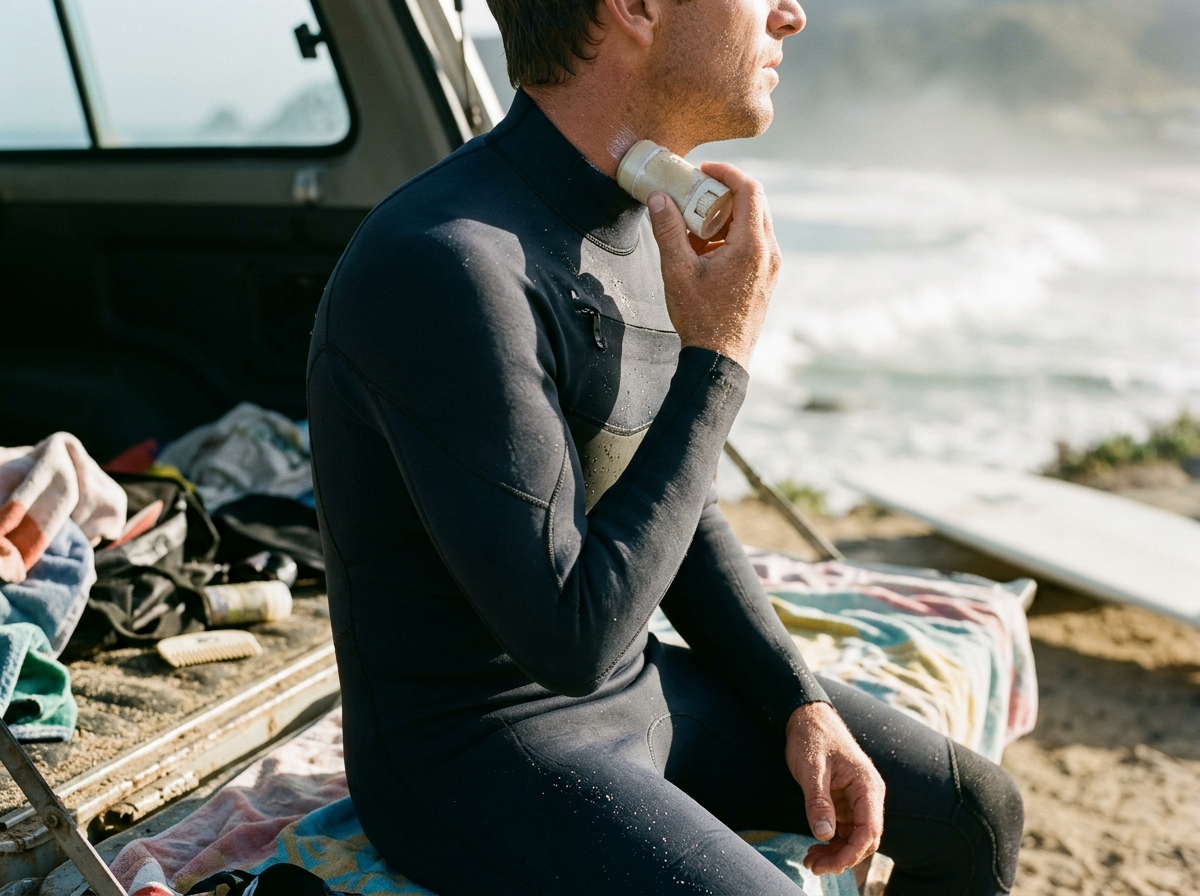
You paddle out for a clean morning session, catch a few waves, and everything feels right—until the paddle back to the lineup starts to burn. What began as a minor rub under your arm or along your ribcage turns into a raw, stinging patch that makes every stroke uncomfortable. Chafing is one of the most common frustrations in surfing, swimming, kayaking, and paddleboarding, yet it is also one of the easiest problems to prevent once you understand what causes it. Choosing the right rash guard surfer apparel and following a few smart habits can keep your skin comfortable from the first paddle to the last.
Quick Answer
Chafing happens when skin rubs against skin, fabric, or gear under repeated motion, moisture, and salt or sand. To prevent it, wear fitted, seam-smart moisture-wicking layers, keep skin dry and lubricated in high-friction zones, rinse sand and salt out of your clothing, and address small hot spots immediately instead of waiting for them to become raw. Fit matters more than brand, and a smooth, snug layer almost always outperforms a loose one.
Key Takeaways
- Friction, moisture, and salt or sand are the three main drivers of chafing; reducing any one of them lowers your risk.
- Fit is the single biggest factor—loose fabric bunches and rubs, while a snug layer moves with your skin.
- Flatlock or seamless construction and moisture-wicking materials reduce irritation far more than thick or heavy fabrics.
- Lubricants and barrier balms help, but they work best alongside correct clothing and good hygiene, not instead of them.
- Treat hot spots the moment you notice them; a two-minute fix on the beach prevents a multi-day recovery.
Why Chafing Happens More in the Water
Chafing on land is annoying. Chafing in the water is worse, and there are specific reasons for that. Water and sweat soften the outer layer of your skin, making it more vulnerable to friction. Saltwater leaves tiny abrasive crystals behind as it dries, and sand works its way into fabric and seams where it acts like fine sandpaper. Add the repetitive motion of paddling, kicking, or gripping a board, and you have ideal conditions for skin breakdown.
Board shorts, wetsuit seams, leash cuffs, and life vests all create pressure points. The areas most prone to irritation include the underarms, neck, ribcage, inner thighs, and anywhere a seam or strap sits against damp skin. Once the skin barrier is compromised, even a small amount of continued friction turns a minor annoyance into a genuine injury that can sideline you for days.
Choosing Clothing That Reduces Friction
The right clothing does most of the preventive work. Look for these features, in roughly this order of importance:
- Snug but not restrictive fit: A rash guard or wetsuit should follow your body’s contours. Loose fabric creates folds that trap sand and rub repeatedly against the skin.
- Flatlock or flat seams: Raised, bulky seams dig into skin. Flat seams lie smooth and reduce pressure points.
- Moisture-wicking material: Synthetic blends move water away from the skin rather than holding it against you the way heavy cotton does.
- Minimal hardware: Zippers, velcro, and stiff collars can cause localized irritation, especially around the neck and chin.
- Chafe-resistant zones: Some designs place smoother panels under the arms or along the inner thighs, which is where friction tends to concentrate.
Material and Fit Comparison
| Factor | Reduces Chafing Risk | Increases Chafing Risk |
|---|---|---|
| Fit | Snug, second-skin | Loose and bunching |
| Seams | Flatlock or seamless | Raised, thick, or scratchy |
| Fabric | Moisture-wicking synthetics | Heavy cotton or coarse knits |
| Hardware | Soft, minimal, covered | Exposed zippers or velcro |
| Condition | Clean, sand-free | Salt-crusted or sandy |
Lubricants, Balms, and Barriers
Lubrication is a support tool, not a replacement for good clothing. Applied correctly, it can protect areas where fabric and skin meet under constant motion.
Petroleum-based ointments and thicker barrier balms tend to last longest in saltwater because they resist washing away. Silicone-based and water-resistant sport lubricants also work well and feel less greasy. Water-based products are comfortable but tend to rinse off quickly, so they are better suited for shorter sessions or pool swimming.
Where to Apply
- Under the arms and along the ribcage, where rash guards and wetsuits rub during paddling
- Around the neck and chin, especially where a wetsuit collar sits
- Inner thighs, particularly for swimmers and paddlers
- Anywhere a leash cuff, strap, or life vest edge contacts skin
Apply to clean, dry skin before you get wet, and reapply if you take a long break between sessions. Avoid applying over broken skin or open blisters, since trapping irritants under a balm can make things worse.
Pre-Session and Post-Session Habits That Matter
Most chafing is decided before and after the session, not during it. A few consistent habits make a real difference.
- Rinse your gear after every use. Sand and salt left in fabric become abrasive. A quick freshwater rinse prevents buildup in seams and linings.
- Dry completely before storing. Damp gear grows bacteria and odors, and it also stiffens, which increases friction the next time you wear it.
- Check your skin after each session. Look for red or tender patches before they become raw. Early treatment is quick; late treatment is not.
- Moisturize regularly. Healthy, hydrated skin tolerates friction better than dry, cracked skin.
- Rotate your gear. Worn-out elastic, thinning fabric, and stretched seams all increase chafing over time, even if the gear still looks fine.
If You Already Have Irritation
Once chafing starts, stop aggravating it. Rinse the area with fresh water to remove salt and sand, pat it dry gently, and let it air out. A thin layer of a healing ointment or a fragrance-free barrier cream protects the skin while it recovers. Avoid tight clothing over irritated areas until they heal, and skip the next session if the skin is broken or blistered, since continued friction can lead to infection.
If a rash spreads, becomes increasingly painful, or shows signs of infection such as swelling, warmth, or pus, that is a signal to see a medical professional rather than push through it.
Frequently Asked Questions
Does a rash guard prevent chafing on its own?
Not by itself. A rash guard reduces friction between skin and skin or skin and gear, but it only works well when the fit is snug, the seams are flat, and the fabric stays clean. Poorly fitted or sand-filled rash guards can actually cause more irritation than going without one.
Is petroleum jelly safe to use in the ocean?
Petroleum-based products are commonly used by swimmers and surfers and are generally considered safe for personal use. Some people prefer silicone-based or sport-specific lubricants because they feel less heavy and resist saltwater well. Choose based on comfort and duration, not on a single universal rule.
Why does chafing get worse on longer sessions?
Friction accumulates with time. The longer you paddle, kick, or grip, the more repeated contact the skin endures, especially once the skin is softened by water and sweat. Longer sessions also mean more opportunity for salt and sand to work into fabric, which is why lubrication and gear checks matter more on big days.
Can cotton t-shirts be worn for water sports?
Cotton holds water against the skin, becomes heavy, and creates a rougher surface as it dries. It is generally a poor choice for extended time in the water. Moisture-wicking synthetic fabrics move water away and stay smoother against the skin, making them the better option for reducing irritation.
How do I know when gear is too worn out?
Stretched elastic, thinning or pilled fabric, raised seams, and permanent stiffness after drying are all signs that gear is no longer doing its job. If you notice increased chafing with a piece of clothing you have used before without problems, the gear itself is likely the cause.
Conclusion
Preventing chafing during water sports comes down to a handful of reliable principles: wear snug, smooth, moisture-wicking layers; keep sand and salt out of your gear; protect high-friction zones with a barrier balm; and deal with hot spots the moment they appear. None of these steps is complicated, and together they make the difference between a comfortable session and a painful one. Give your skin the same attention you give your board, and you will spend far more time enjoying the water than recovering from it.