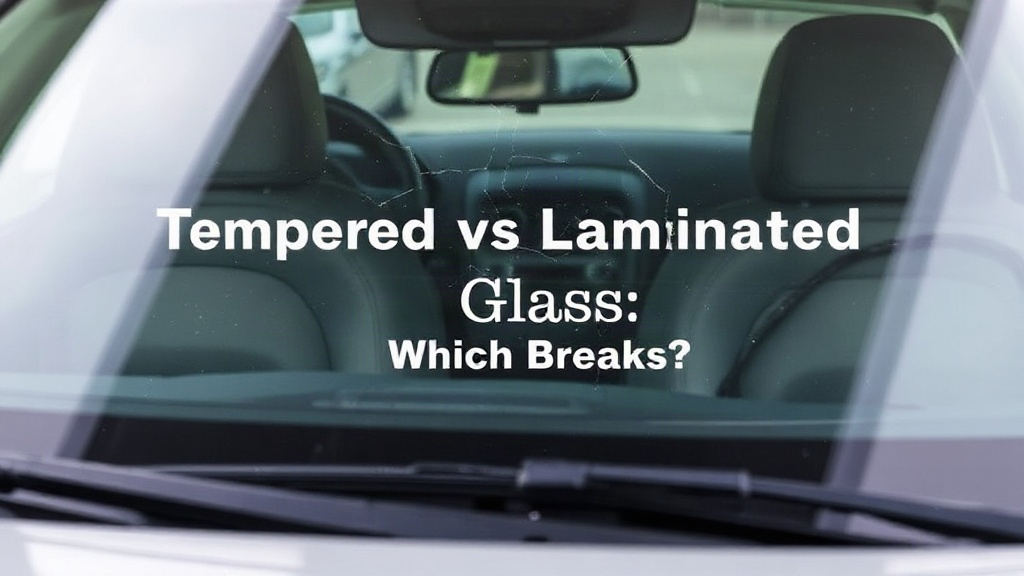
Tempered vs laminated glass explains a puzzle many drivers notice in a crash: one window shatters into harmless crumbs, while another cracks but stays in place. Both types sit in the same vehicle, so the difference looks random until you know how each pane is made. If you want to learn more about how vehicle glass behaves, knowing which type sits where changes how you plan an escape. This guide breaks down how each glass is built, why automakers mix them, and what you should do when a window won’t give way.
Quick answer: Tempered glass breaks into small, blunt pieces and is used mostly for side and rear windows. Laminated glass holds together on a plastic layer and is standard for windshields. To escape a car, push out or break a tempered side window and avoid fighting the windshield, which is designed not to shatter.
What is tempered vs laminated glass?
Tempered and laminated glass differ in how they fail, and that difference comes from manufacturing. Tempered glass is heated to roughly 600°C and then cooled rapidly with air. That sudden quench hardens the outer surfaces and leaves the core in tension, so the pane resists impact far better than ordinary glass. When it finally breaks, the stored energy releases at once. The pane collapses into thousands of small, rounded fragments instead of long, razor-edged shards.
Laminated glass is built, not treated. Two sheets of ordinary glass sandwich a thin plastic interlayer, usually polyvinyl butyral, or PVB. Heat and pressure bond the layers into one unit. On impact, the glass cracks, but the plastic film stretches and holds the pieces together. That is why a cracked windshield stays a barrier instead of falling into the cabin.
Comparison: tempered vs laminated glass in a car
| Feature | Tempered glass | Laminated glass |
|---|---|---|
| Typical location | Side and rear windows | Windshield, some side glass |
| Break pattern | Crumbles into small pieces | Cracks, stays intact |
| Edge strength | Weak at the edges | Moderate |
| Main job | Quick exit, occupant retention | Stone protection, ejection prevention |
Notice the trade-off. Tempered glass gives you an exit but little protection against being thrown out. Laminated glass keeps you inside but resists a quick escape. Automakers choose per position rather than per car.
A tempered pane’s tension lives near its surface, so a strike at the rim or a chipped edge can trigger the whole window to shatter with light pressure. Aim there first.
Takeaway: The two glasses are engineered for opposite failure modes, and each is placed where its weakness does the least harm.
The glass stamp in a corner encodes more than the maker’s mark. Look for the word “tempered” or “laminated,” plus a DOT number that identifies the manufacturer and a code for the model year. That small etching is the fastest way to confirm what you are facing without guessing from the outside. Acoustic laminated glass, common on premium models, adds a sound-dampening layer but behaves like standard laminated glass in a crash.
Why tempered vs laminated glass matters
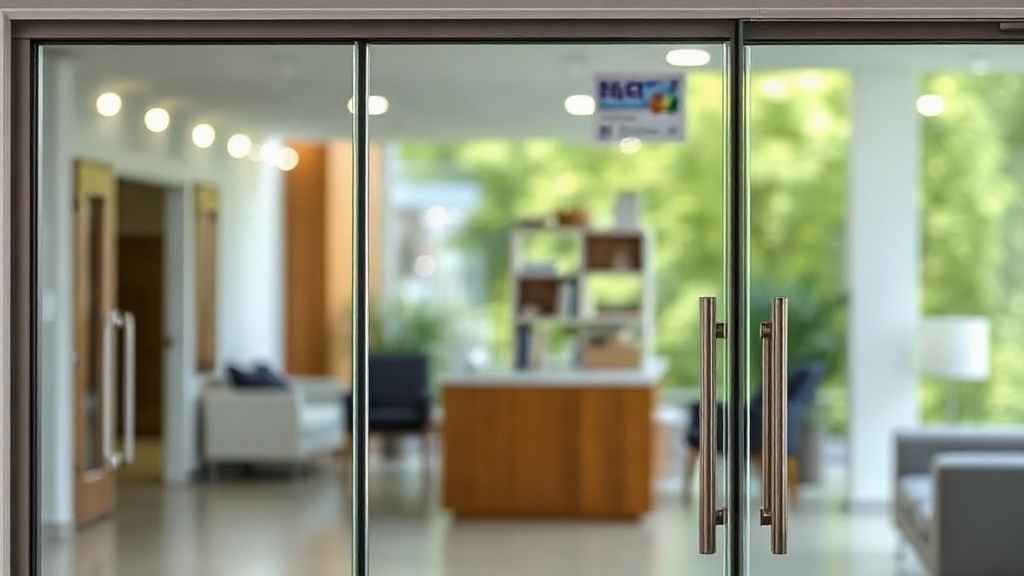
The type of glass in front of you decides how you get out. A driver trapped after a rollover or in water may have seconds to act, and wasting them on a windshield is a common and dangerous error. Laminated glass can absorb blow after blow without opening. Even a heavy tool may only dent the plastic layer. A side window, by contrast, can shatter from one sharp, focused strike.
Safety design also drives the mix. Federal rules require laminated windshields because the interlayer keeps occupants inside during a crash and stops glass from spraying into faces. Side and rear positions favor tempered glass because it is cheaper, lighter, and useful as an emergency exit. Some newer cars add laminated side glass for quietness and theft resistance, which changes the escape plan. If you are planning for a water emergency, these details matter; our guide on how to escape a sinking car walks through the sequence step by step.
There is a cost angle as well. Replacing laminated glass usually costs more because of the interlayer and calibration work on windshield sensors. A tempered side window is simpler and often cheaper to source.
Takeaway: Treat every window as either breakable or not, and put your effort where it will pay off.
Weight tells part of the story too. Laminated panes carry an extra plastic layer and are heavier, which is one reason automakers reserve them for positions where protection outweighs mass. Glass thickness also varies by position, so a windshield may measure several millimeters across its layers while a side pane is thinner. Heavier glass and tighter bonding mean a rescue attempt needs more deliberate effort, not a single swipe.
Best practices
Start by learning your own car’s layout before you ever need it. Sit in the driver’s seat and identify which panes are laminated. Windshields almost always are; front side windows increasingly are on newer, quieter models. A quick look at the glass stamp in the corner can help, and your owner’s manual often lists the glazing.
Keep a proper escape tool within reach, not in the trunk or a buried glovebox. A spring-loaded center punch or a dedicated window breaker concentrates force on a tiny point, which is exactly what tempered glass cannot tolerate. Mount it where you can grab it while belted.
Follow this sequence in an emergency:
- Stay calm and unfasten your seat belt.
- Try the door handle and electric window switch first.
- If they fail, strike a side window near a corner, not the center.
- Clear the remaining glass with a tool or a shoe, then exit.
Practice the reach once or twice a year so the motion is automatic under stress.
A laminated windshield is designed to stay in its frame. Choose a side window instead, and keep children away from the glass as you strike.
Takeaway: Preparation beats strength. Know your glass, keep a tool close, and aim for a corner.
Check the age of your escape tool and its spring. A worn punch loses the sharp point that makes tempered glass fail, so replace it every few years or after any impact. Store it in a holder fixed to the door or console rather than a loose pocket. If you carry passengers often, walk them through the corner strike once so they know where to aim. On rental cars, spend ten seconds confirming the window layout before you drive off, since glazing specs differ between models and trim levels.
Common mistakes to avoid
The most frequent error is attacking the windshield, which is built to resist exactly that. People also strike the middle of a side window, where tempered glass is strongest. The corners and edges are far more vulnerable because the pane’s internal stress concentrates there.
Another mistake is relying on improvised tools that rarely work. A fist, elbow, or heavy shoe usually bounces off tempered glass. A phone or a mug handle may crack but not clear the opening. A small, hard, spring-loaded point outperforms brute force almost every time.
Drivers also forget that a car may have laminated side glass. Quiet cabins and security packages change the equation, and a window breaker may need several sharp strikes on the same spot. Keep striking rather than switching windows.
Finally, never store the escape tool loose in a bag or under luggage. In a crash, items scatter.
Takeaway: Aim low on the glass, use a purpose-built tool, and expect laminated panes to resist.
Assuming a side window will always be the easy option is another costly assumption. Rear quarter windows, small triangular panes near the mirrors, and sunroof panels vary widely between models, and some are bonded rather than framed, which changes how they fail. Test one pane at a time, confirm it is tempered, and keep a backup target in mind in case the first opening stays blocked by the plastic film or a stubborn frame. Drivers also overlook headrests as a last resort: the metal posts can concentrate force, but only if you lever them into an edge rather than swinging wildly at the center.
FAQ
Can I break a laminated side window?
It is difficult but not impossible. Strike the same spot repeatedly with a sharp tool until the plastic layer tears. Expect the pane to stay partly in place, and plan extra time.
Are all car side windows tempered?
Most are, especially on older and mid-range vehicles. Some newer cars use laminated side glass for quietness and security, so check your specific model before assuming.
Why do car windows sometimes shatter in hot weather?
Tempered glass can fail suddenly when a small edge chip meets heat stress or a slammed door. The entire pane releases at once, which is why a tiny nick is worth repairing early.
Is laminated glass more expensive to replace?
Generally yes. The plastic interlayer and, on windshields, sensor recalibration add cost compared with a simple tempered side pane.
How hard do I need to hit tempered glass?
Force matters less than focus. A spring-loaded punch needs only light pressure because it concentrates energy at one point.
Conclusion
Tempered vs laminated glass comes down to a simple rule: tempered shatters into crumbs, laminated holds together. Windshields use laminated glass for protection, while most side and rear windows use tempered glass for quick exits. Knowing which is which, keeping a proper escape tool within reach, and striking a side corner rather than the windshield will serve you better than strength. Check your car’s windows this week, note the glass type, and place a window breaker where you can reach it while belted. A few minutes now removes the guesswork later.