Florida’s weather is beautiful—until it isn’t. Between intense UV rays, sudden afternoon thunderstorms, salt-laden coastal breezes, and the occasional hurricane, most solar lights simply don’t survive a full season. If you’ve replaced cheap solar torches more times than you’d like to admit, you know the frustration. The real challenge isn’t finding solar torches; it’s finding durable solar torch lights in Florida that can actually withstand the climate. This guide breaks down exactly what to look for, which materials matter, and how to avoid the common pitfalls that leave your yard dark within months.
Key Takeaways
- Florida’s heat, humidity, and salt air destroy cheap plastics and corrode standard electronics; material quality is the single most important factor in durability.
- Look for torches with IP65 or higher water resistance ratings and powder-coated aluminum or stainless steel bodies rather than basic ABS plastic.
- Replaceable batteries and individual LED units extend the lifespan of your torches significantly, saving you money over time.
- Placement matters as much as product quality—protecting electronics from direct rain and salt spray dramatically increases longevity.
- Higher upfront cost often means lower long-term cost; budget torches rarely survive a second Florida summer.
Why Most Solar Torches Fail in Florida
Understanding why solar torches fail is the first step toward finding ones that won’t. Florida presents a unique combination of environmental stressors that most solar lighting manufacturers never account for.
The Triple Threat: UV, Humidity, and Salt
Florida’s sun is intense. UV rays degrade plastics, causing them to become brittle, fade, and crack within months. The humidity—often above 80%—creates condensation inside poorly sealed housings, which leads to corrosion on circuit boards and battery terminals. And if you live anywhere near the coast, salt spray accelerates corrosion at a shocking rate. Even a few miles inland, salt particles in the air during storms can settle on your fixtures and eat through protective coatings.
Most budget solar torches use thin ABS plastic housings and uncoated steel screws. These materials simply cannot handle the combined assault of UV, moisture, and salt. The result? Cracked bodies, rusted battery compartments, and dead LEDs long before the advertised lifespan.
Heat-Related Battery Failure
Florida’s afternoon heat inside a dark plastic housing can easily exceed 140°F. Most consumer-grade rechargeable batteries are rated for a maximum operating temperature of around 113°F. When batteries cook inside the housing, they lose capacity quickly and may swell or leak. This is why many solar torches stop holding a charge after just a few months in Florida, even if the electronics themselves survive.
What Makes a Solar Torch Truly Durable?
Durability isn’t a single feature—it’s a combination of material choices, build quality, and component selection. When evaluating durable solar torch lights in Florida, focus on these specific factors rather than marketing claims.
Housing Material: Aluminum vs. Plastic
Powder-coated aluminum is the gold standard for Florida solar torches. It resists corrosion, handles UV exposure without degrading, and dissipates heat far better than plastic. Stainless steel is another excellent option, though it tends to be heavier and more expensive. If you do choose plastic, look for UV-stabilized ABS or polycarbonate—but understand that even the best plastics will eventually become brittle under Florida’s sun.
Water Resistance Ratings Explained
You’ll see IP ratings on quality solar products. IP stands for Ingress Protection. The first digit rates solid particle protection, and the second rates liquid protection. For Florida, you want at least IP65. This means the fixture is completely dust-tight and protected against low-pressure water jets from any direction. IP67 offers even better protection—the fixture can be briefly submerged. Avoid anything rated below IP65; it simply won’t survive Florida’s rain and humidity.
Battery Quality and Replaceability
Look for torches that use standard rechargeable batteries—18650 lithium-ion cells or AA NiMH batteries are common. These are user-replaceable, which means you can refresh your torches for a few dollars instead of replacing the entire unit. Some premium torches use integrated battery packs that are difficult or impossible to replace. While these may perform well initially, they create a hard expiration date for the product.
LED Configuration
Individual LED emitters are generally more reliable than LED strips. They’re easier to replace if one fails, and they tend to have better heat management. Look for warm white LEDs (2700K–3000K color temperature) for that authentic flame-like glow. Some torches now use flickering LED technology that mimics a real flame—these can be charming, but ensure the flicker mechanism is solid-state and not a moving mechanical part that can fail.
Key Features to Prioritize for Florida Conditions
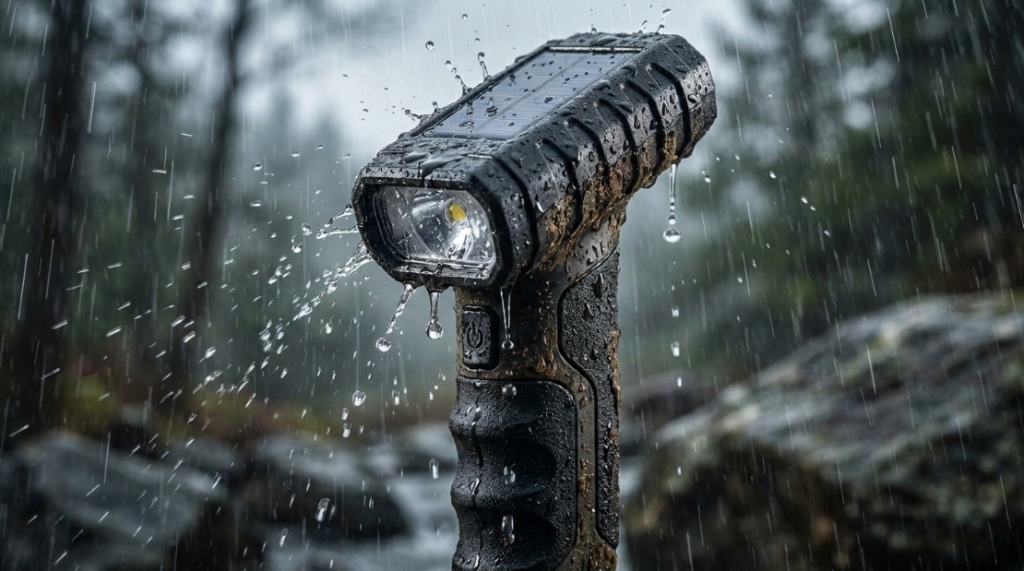
Beyond basic materials, certain features make a meaningful difference in how long your solar torches will last in Florida’s environment.
Sealed Electronics and Gasketed Compartments
Inspect the battery compartment design. Quality torches use rubber gaskets or O-rings to create a watertight seal. Screw-on caps are generally more reliable than snap-on lids, which can pop open in heat or become loose over time. The solar panel connection should also be sealed where wires enter the housing.
Monocrystalline Solar Panels
Monocrystalline panels are more efficient than polycrystalline or amorphous panels, which means they can charge adequately even during Florida’s frequent cloudy afternoons. They also tend to be more durable and maintain their efficiency longer. Look for panels with a tempered glass coating rather than bare plastic—plastic panels scratch and yellow quickly in Florida’s sun.
Wind Resistance and Stability
Florida’s thunderstorms bring gusty winds. A torch with a wide, weighted base or a stake that anchors securely into the ground will stay upright when the weather turns. Some torches feature a pointed stake with a crossbar that prevents rotation in loose soil. If you’re mounting torches on a deck or patio, look for models with a flat base and mounting holes for screws.
How to Evaluate Quality Before You Buy
You can’t always tell a torch’s durability from product photos. But you can ask the right questions and look for specific indicators of quality.
Read Between the Lines of Product Descriptions
Vague language like “weather-resistant” or “waterproof” without a specific IP rating is a red flag. Legitimate manufacturers provide detailed specifications. Look for information about housing material, battery type, panel efficiency, and warranty coverage. A company that stands behind its product with a 2-year or longer warranty is more likely to have engineered it properly.
Check for Replacement Parts Availability
Can you buy replacement batteries, panels, or LED boards for the torch you’re considering? If the manufacturer sells parts separately, that’s a strong signal they expect the product to last. If the product page offers no parts and no support contact, the torch is likely designed to be disposable.
Consider the Weight
Heavier torches are generally more durable. A torch that weighs under a pound is likely using thin plastic and lightweight components. A quality aluminum torch with a decent battery and glass-covered panel will typically weigh 2–3 pounds or more. This weight also helps with wind stability.
Placement and Maintenance Tips for Maximum Lifespan
Even the most durable solar torch lights in Florida will last longer with smart placement and minimal maintenance. Here’s how to get the most from your investment.
Strategic Placement
Place torches where they receive at least 6–8 hours of direct sunlight daily. Avoid spots under tree canopies or overhangs that create partial shade. If you live near the coast, position torches away from the direct path of ocean breezes when possible. A windbreak—a hedge, fence, or building corner—can significantly reduce salt spray exposure.
Simple Maintenance Routine
Once a month, wipe the solar panel with a damp cloth to remove dust, pollen, and salt residue. Florida’s pollen season can coat panels in a yellow film that cuts charging efficiency dramatically. Every few months, check the battery compartment gasket for debris or wear. If you notice condensation inside the lens, bring the torch indoors to dry out completely before resealing.
What to Do Before Hurricane Season
Before a major storm, bring your torches indoors. Even the most durable fixtures can be damaged by flying debris or flooding. Store them in a dry location, ideally with batteries removed. After the storm passes, inspect for cracks, water intrusion, or damaged panels before reinstalling. This simple habit can add years to your torches’ lifespan.
Common Mistakes to Avoid
Many people unknowingly shorten the life of their solar torches through avoidable errors. Here are the most common ones we see.
Buying Based on Price Alone
The cheapest solar torches are cheap for a reason. They use the lowest-grade materials and components available. While you don’t need to buy the most expensive option, expect to pay a reasonable price for quality. A good rule of thumb: if a set of two torches costs less than a nice dinner, it probably won’t survive a Florida summer.
Ignoring the Battery Replacement Schedule
Rechargeable batteries have a finite lifespan—typically 2–4 years depending on usage and temperature. When your torches start dimming earlier in the evening, the batteries are likely degrading. Replacing them promptly prevents damage to the charging circuitry and keeps your torches performing well.
Assuming “Waterproof” Means “Submersible”
Most solar lights are water-resistant, not waterproof. They can handle rain and splashing but not submersion. If a torch falls into a pool or a puddle during a storm, it may fail even with a high IP rating. Position torches away from areas where water can pool around the base,to prepare your holiday outdoor decorations for cooler climates, check out our guide on how to pick solar lanterns for ca christmas.
Frequently Asked Questions
How long should durable solar torches last in Florida?
With quality materials and basic maintenance, a well-built solar torch should last 3–5 years in Florida. The LED emitters themselves can last 10+ years, but batteries typically need replacement every 2–4 years, and the housing will eventually show wear from UV exposure and weather.
Are more expensive solar torches always better?
Not always, but there is a strong correlation between price and durability. Higher-priced torches typically use better materials, sealed electronics, and higher-quality batteries. However, some expensive brands rely on marketing rather than engineering. Focus on specifications—materials, IP rating, battery type—rather than price alone.
Can I use solar torches near a saltwater pool?
Yes, but with caution. Saltwater pool areas expose fixtures to both chlorine and salt spray. Choose torches with powder-coated aluminum or stainless steel housings and rinse them with fresh water weekly. Even the most durable fixtures will corrode faster in this environment than in a standard yard.
Do solar torches need direct sunlight to charge?
Solar panels work best in direct sunlight, but they can still charge—albeit less efficiently—in cloudy or partially shaded conditions. In Florida, the intense sun means even 4–5 hours of direct sunlight is usually sufficient for a full evening of illumination. However, consistent shade will reduce both charging capacity and battery lifespan.
What is the best color temperature for solar torch lights?
Warm white light between 2700K and 3000K provides the most natural flame-like appearance. Some torches offer adjustable color temperatures or multiple modes. Avoid cool white or daylight LEDs (5000K+) for torches—they look harsh and unnatural in a garden setting.
How do I know if a solar torch has good battery quality?
Look for torches that specify the battery chemistry and capacity. Quality torches use lithium-ion batteries (typically 18650 cells) with capacities of 2000mAh or higher. Avoid torches that don’t specify battery details—this usually indicates low-quality cells. Replaceable batteries are also a sign of better engineering.
Conclusion
Finding durable solar torch lights in Florida comes down to understanding the environment and choosing products engineered to handle it. Prioritize powder-coated aluminum or stainless steel housings, IP65 or higher water resistance, replaceable batteries, and monocrystalline solar panels with glass covers. Expect to invest more upfront—quality torches cost more because they use materials that actually survive Florida’s climate. Place them thoughtfully, perform simple monthly maintenance, and bring them inside before severe storms. With the right approach, your solar torches can provide warm, inviting light in your garden for years rather than months. Start with the right specifications, and you won’t be shopping for replacements next season.