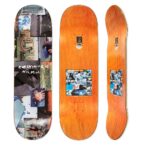
Polar Skate Co. is one of the more respected names in modern skate culture. Founded in Sweden by Pontus Alv, the brand combines bold art direction, skate performance, and European aesthetics. Over the years, it’s built a reputation for quality, limited drops, and a carefully curated product line. In this article, we’ll break down **how Polar prices its decks, apparel, and accessories**, what you’re paying for, and whether it’s worth it for various types of buyers.
We draw from public online catalogs, retailer listings, and brand sources to ensure accurate pricing and insights. (For example, see Polar’s official site for deck pricing.)
Overview of Polar Skate Co.’s Product Line
Polar’s offerings can be broadly grouped into three categories:
- Decks & hardgoods – skateboard decks, grip, trucks, wheels.
- Apparel – T-shirts, hoodies, pants, jackets.
- Accessories & extras – hats, socks, bags, jewelry, and small “stuff.”
They also occasionally partner with guest artists or release limited editions, which often carry premium pricing due to scarcity and artistic value.
Polar Decks: Price and Value
Typical Price Ranges
On Polar’s U.S. store, most standard decks are listed around **$73 USD**.
Retailers like CCS list Polar decks at about **$76.95** for many models.
At smaller skate shops, you may see discounted or older stock at lower prices, but new stock rarely drops far below these ranges.
Materials & Quality
Polar decks are typically 7-ply, Northern maple (or comparable high-grade wood) constructed with quality control in mind. The brand emphasizes durability and performance rather than thin, cheaply pressed popsicles. Users often report that Polar decks feel robust and resist delamination with proper care.
Design & Art Premiums
A big factor in cost is the graphic artwork. Pontus Alv and collaborators often design unique visuals, meaning licensing, artist fees, and limited runs add to the base cost. Some decks are limited edition, making them more collectible.
Comparisons to Peer Deck Brands
Compared to mainstream decks (e.g. blank or mass-market pressings), Polar’s decks command a premium. Still, among “premium skate brands” (like Palace, Fucking Awesome, etc.), the markup is in line with or slightly below what you’d expect for a high-design label. For many skaters, the extra cost pays for better artwork, brand prestige, and acceptable durability.
Value Verdict
When you buy a Polar deck, you’re not just buying wood — you’re paying for design, branding, quality control, and reputation. If you skate hard and regularly replace decks, the cost difference may matter; but for a casual rider or collector, Polar offers a strong balance of usability and collectibility.
Apparel Breakdown: Quality Meets Style
T-Shirts
Polar T-shirts are typically priced around **$50 USD** in their online catalog.
These are generally mid-weight cotton, screen-printed or using specialty printing methods for detailed graphics.
Hoodies & Sweatshirts
Hoodies in Polar’s catalog fall in the **$100–$130** range.
They’re often heavier weight, made in Europe (or sourced thoughtfully), with premium stitching and finishing. The extra cost over a generic hoodie goes toward quality, limited runs, and brand positioning.
Pants & Jeans (Big Boy, etc.)
Polar’s pants—especially their well-known “Big Boy” series—run between **$130–$150 USD** in many listings.
These pants often use heavier denim, durable hardware (buttons, rivets), and cut to suit both streetwear and skate movement. Because they’re not mass-produced in cheap factories, cost is higher.
Why Apparel Costs More Than Generic Brands

Several factors push up apparel prices:
- Small production runs — less quantity means higher per-unit cost.
- Ethical manufacturing & higher labor standards (especially in Europe).
- Branding and art direction overhead (designer fees, direction, limited designs).
- Import, distribution, and selective retail markups.
Accessories & Other Items
Hats, Socks, Bags, Small Goods
In Polar’s catalog, small accessories range from **$12 USD** for socks to around **$45–$65 USD** for caps or hats.
Bags, wallets, or larger accessories might hit **$80–$100 USD** or more depending on materials.
Design & Utility Balance
These accessories carry Polar’s signature visual minimalism, but are also built for use — caps with adjustable hardware, durable fabrics, etc. A hat that looks clean and holds up to skate life is harder to produce than it seems.
Limited Drops & Scarcity Factor
Because many items are released in limited quantity (often tied to seasons or artist collabs), scarcity inflates perceived value. Resellers often mark up rare accessories beyond retail — buyers should tread carefully.
Factors Behind Polar’s Pricing Strategy
European Manufacturing Costs vs. Mass Production
Polar often manufactures or finishes goods in Europe, where labor and regulatory costs are higher than in many Asian mass factories. This naturally leads to higher base costs.
Ethical Production, Fair Wages & Quality Control
Polar tends to align with more respectful production practices. That means more oversight, smaller factories, and higher cost per unit compared to large-scale fast fashion brands.
Brand & Artistic Investment
The brand invests heavily in design, art direction, photography, lookbooks, and limited runs. Those overheads must be recouped through retail pricing rather than volume discounts.
Selective Distribution & Controlled Drops
Polar often limits which stores stock their goods and uses timed “drops.” Controlled supply helps maintain exclusivity and helps absorb fixed costs across fewer units.
Brand Credibility & Perceived Value
Part of Polar’s brand identity is being “premium but authentic.” Higher prices reinforce that image, attracting buyers who care about status, limited designs, and skate culture credibility.
How Polar Compares to Competitors
| Brand | Deck Price Range | Apparel Price Tier | Value Strengths / Weaknesses |
|---|---|---|---|
| Polar | ≈ $70–$80 | Mid to high (tees ~$50, hoodies ~$120+) | Strong design + culture; moderate premium |
| Palace | Often $65–$90 | Comparable or slightly higher for collabs | High hype, fashion crossover; risk of overpaying for name |
| Fucking Awesome (FA) | $70–$85 | Premium, collab-driven | Edgy brand identity, limited supply |
| Generic mass skateboard brands | $30–$60 | Budget tier | Lower quality materials, fewer design perks |
Polar holds up well in this field: it’s not the cheapest, but the price-to-design and quality ratio is usually more favorable than hype brands with weak craftsmanship.
Where to Buy & How to Evaluate Offers
Best sources:
- Polar’s **official webstore** (U.S., EU) — usually the purest pricing.
- Trusted skate shops that stock Polar (Labor, CCS, etc.).
- Authorized resellers — check store reputation, shipping, return policies.
Tips to avoid overpaying:
- Compare SKU / graphic details to ensure authenticity.
- Avoid paying huge premiums from resellers unless it’s a rare drop.
- Watch seasonal sales or end-of-season discounts (some Polar items do go on sale, though less often).
- Check for bundled shipping or import cost markups, especially outside Europe/USA.
Is Polar Worth the Price?
The answer depends on your priorities. Here’s a breakdown:
- Skaters who ride aggressively: Polar decks and gear hold up decently — but if you break decks weekly, cost difference becomes more apparent.
- Collectors & design-conscious buyers: Polar excels. You get strong visual identity, limited editions, and resale potential.
- Budget-minded entry-level buyers: You’ll pay a premium, but sometimes the difference buys you better aesthetics, stronger materials, or longer life.
In short: **yes**, Polar is justifiable if you value the design, brand ethos, and decent functionality. But it’s not absolutely necessary for every skater to go premium.
Related Topic: Bow Tie or Tie for a Wedding
Popular FAQs
Why are Polar decks more expensive than standard decks?
Because you’re not just paying for wood. You’re also paying for design, limited runs, artist fees, better QC, and brand prestige.
Is Polar Skate Co. gear made in Europe?
Many Polar products are produced or finished in Europe, particularly apparel, which adds cost relative to mass-produced items in lower-cost countries. Their site notes EU warehousing for distribution.
Do Polar’s “Big Boy” jeans run large?
They are often cut generously — part of the signature style is a roomy silhouette. Many users size down or refer to size charts carefully. Always check the product’s sizing notes.
Are Polar decks good for beginners?
Yes, they can be. Their durability and design quality make them suitable for many levels. However, for price-sensitive beginners, cheaper decks may offer more for the initial cost until your preferences solidify.
Where can I find authentic Polar Skate Co. items?
Official stores, established skate shops, and trusted retailers are your best bet. Avoid sellers with vague images or major discounts (which may suggest counterfeits). Always cross-check SKU, graphics, and packaging details.
Conclusion
Polar Skate Co. occupies a sweet spot between pure functionality and artistic identity. Its decks, apparel, and accessories come at a premium — but one grounded in design, limited supply, and brand integrity. While not every skater needs Polar, those who value aesthetic, controlled drops, and good durability often find the price worthwhile.
If you’re drafting this for your blog, you may want to intersperse links to Polar’s product pages (for decks, apparel, etc.) or trustworthy reviews to bolster E-E-A-T even further.