

Golf is a game that rewards precision. Every part of your equipment plays a role in how well you perform. However, one element that seniors often overlook is grip size. The grip is your only point of contact with the club. Getting it right can improve your swing, reduce hand fatigue, and make every round far more enjoyable.
As you age, your hands change. Joints stiffen, grip strength decreases, and conditions like arthritis become more common. Therefore, what worked for you in your forties may no longer serve you well in your sixties or seventies. Choosing the right grip size is one of the simplest and most impactful upgrades you can make to your senior golf equipment.
This guide will walk you through everything you need to know. You will learn how grip sizing works, how to measure your hand, and which options suit seniors best. Additionally, you will discover how the right grip can transform your game without requiring a complete equipment overhaul.
Why Grip Size Matters More as You Age
Grip size affects almost every part of your swing. A grip that is too thin causes your hands to work too hard. You end up gripping tighter than necessary. This leads to tension in your forearms and wrists, which slows down your swing speed.
On the other hand, a grip that is too thick limits hand movement. Your wrists cannot hinge properly through impact. This results in a weaker, less controlled shot.
For seniors, the stakes are higher. Reduced grip strength means you are already working harder to hold the club. Additionally, hand and wrist discomfort from arthritis or previous injuries makes an ill-fitting grip genuinely painful. Therefore, the right grip size is not just about performance. It is also about protecting your body and keeping the game pain-free.
The Standard Grip Sizes Available
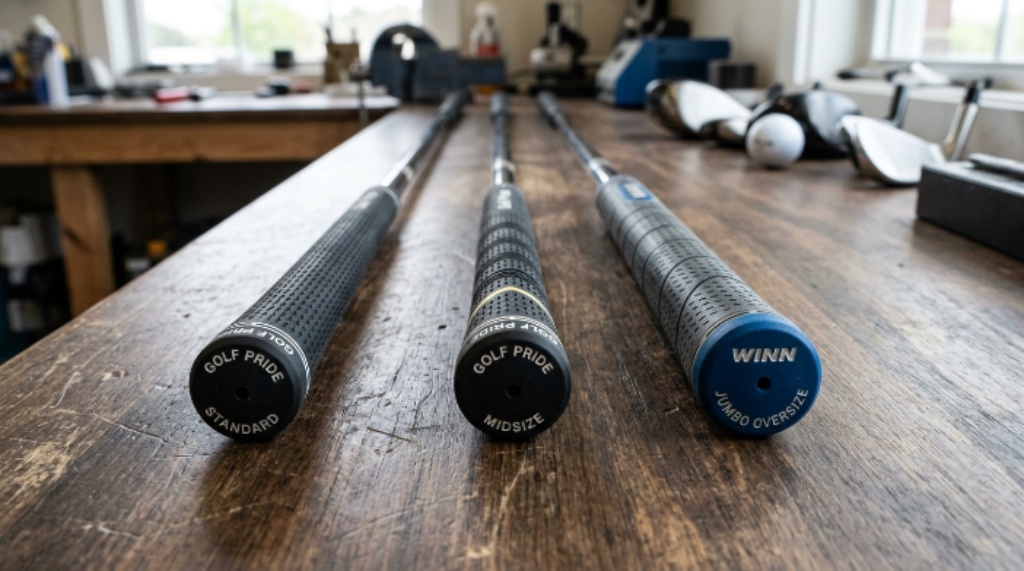
Golf grips come in four standard sizes. Understanding each one will help you make a more informed decision.
Undersize
Undersize grips are slightly thinner than standard. They suit players with smaller hands. For most seniors, these are too thin and require a tighter squeeze, which increases tension and fatigue.
Standard
Standard grips fit most adult hands. They work well for golfers with medium-sized hands who have no grip strength issues. However, many seniors find standard grips slightly too narrow over time.
Midsize
Midsize grips are a popular choice for senior golfers. They allow for a more relaxed hold without compromising control. The extra diameter reduces the pressure needed to secure the club. Additionally, midsize grips help reduce unwanted wrist rotation during the swing.
Jumbo or Oversize
Jumbo grips are the largest option available. They are ideal for seniors with arthritis or very large hands. The increased surface area distributes grip pressure across more of the hand. This significantly reduces joint strain. However, jumbo grips can reduce feel around the greens for some players.
How to Measure Your Hand for the Right Grip
There are two common methods for measuring your hand. Both are simple and take just a few minutes.
The Hand Measurement Method
Measure from the crease of your wrist to the tip of your middle finger. Here is a general guide based on that measurement:
- Under 7 inches: Undersize grip
- 7 to 8.75 inches: Standard grip
- 75 to 9.25 inches: Midsize grip
- Over 9.25 inches: Jumbo grip
However, these are starting points, not fixed rules. Your comfort, strength, and any existing hand conditions should also factor into your decision.
The Finger Overlap Test
Hold a club with your lead hand using a normal grip. Check where your fingers sit. If your fingertips dig deeply into your palm, the grip is likely too thin. If your fingers barely touch your palm, it may be too thick. Ideally, your fingertips should lightly touch the pad of your palm. This balance signals a proper fit.
The Role of Grip Fitting in Senior Golf
Grip fitting is a process that goes beyond size alone. A professional grip fitting session considers the size, texture, material, and firmness of the grip in relation to your swing characteristics. For seniors, this is especially valuable.
During grip fitting, a fitter will watch how you hold and swing the club. They will note your grip pressure and any tension patterns. From there, they can recommend options tailored specifically to your hands and your game. Many golf retailers and pro shops offer this service for free or at a low cost.
Additionally, grip fitting can identify whether you need a softer or firmer rubber compound. Softer grips absorb more vibration, which is helpful if your joints are sensitive. Firmer grips offer more feedback but may feel harsh over a long round.
Best Grip Materials for Senior Golfers
Grip material affects both feel and performance. Here are the most common materials and how they suit senior players:
Rubber
Rubber grips are the most common and affordable option. They offer a firm, consistent feel in all weather conditions. Standard rubber is a solid choice for seniors who play regularly and want a reliable, low-maintenance grip.
Corded
Corded grips have a woven texture that improves traction, especially in wet conditions. However, they can feel rough on sensitive hands. Seniors with arthritis may find corded grips uncomfortable over time.
Wrap Style
Wrap-style grips mimic the look and feel of traditional leather. They are soft and comfortable. Additionally, they conform naturally to the shape of your hand, which many senior players find very satisfying. These grips are considered some of the best comfort golf gear available at any price point.
Hybrid
Hybrid grips combine cord texture in the upper section with smooth rubber below. This gives you traction where you need it without sacrificing comfort in your lower fingers. They are a well-rounded option for active senior golfers.
Special Features That Help Senior Golfers
Beyond size and material, certain grip features are designed specifically with older players in mind. These innovations make a real difference on the course.
- Arthritis-friendly grips: Some brands design grips with extra cushioning and larger diameters to ease joint pain. These are a practical part of any senior’s kit.
- Ribbed or reminder grips: These have a raised ridge that guides your hand into the correct position automatically. This helps with consistency, especially if your grip tends to shift during the round.
- Pistol grips: Common on putters, pistol grips have a flat front that helps align the thumbs correctly. Many seniors find them easier to control than round grips.
- Vibration-dampening grips: These use specially engineered rubber compounds to absorb shock at impact. They are ideal for players with wrist or elbow sensitivity.
When to Replace Your Grips
Even the best grip will eventually wear out. Most golf instructors recommend replacing grips once per season, or after roughly 40 rounds of play. However, if you live in a hot, humid climate, your grips may degrade faster.
Signs that your grips need replacing include a shiny or slick surface, visible cracking, and a loss of tackiness. Additionally, if you notice that you are gripping the club harder than usual just to maintain control, that is a strong signal that the grip has lost its effectiveness.
Replacing grips is one of the most affordable upgrades in golf. A full regrip for a set of clubs typically costs between $50 and $150, depending on the grip model you choose. Therefore, there is no reason to play with worn grips when a small investment can dramatically improve your game.
How Grip Size Affects Your Scores
You might wonder whether grip size can actually influence your scores. The answer is yes, and more than most players expect.
A properly sized grip promotes a relaxed hold. A relaxed hold produces a smoother, more rhythmic swing. That translates directly into better contact, improved accuracy, and more consistent distance. Conversely, a poor grip fit causes compensations throughout the swing that are difficult to diagnose and correct.
For seniors especially, reducing unnecessary effort is a key part of playing well. The right grip is one of the most direct ways to achieve that. It is also one of the most overlooked upgrades in senior golf equipment.
Conclusion
Choosing the right golf grip size is one of the smartest decisions a senior golfer can make. It does not require a large budget. It does not demand a complete equipment change. However, it does require a little knowledge and a willingness to get properly fitted.
Start by measuring your hand and understanding the four standard sizes. Consider visiting a pro shop for a professional grip fitting session. Think about the material and any special features that address your specific needs, whether that is arthritis relief, vibration dampening, or improved traction.
Additionally, remember to replace your grips regularly. Fresh grips perform better and protect your hands from unnecessary strain. With the right grip in place, you give yourself the best possible foundation for every shot you take.
Golf should be enjoyable at every age. The right grip helps make sure it stays that way.
Frequently Asked Questions
1. What grip size do most senior golfers need?
Most senior golfers benefit from a midsize or jumbo grip. As grip strength naturally decreases with age, a larger diameter allows for a more relaxed hold. However, the ideal size still depends on your hand measurements and any existing joint conditions. A grip fitting session will give you the most accurate answer.
2. Can the wrong grip size cause injury?
Yes, over time it can. A grip that is too thin forces you to squeeze harder, which strains the tendons in your forearm and wrist. A grip that is too thick restricts natural wrist movement and can lead to compensatory swing patterns that put stress on your shoulders and back. Therefore, proper sizing is a genuine health consideration, not just a performance one.
3. Are jumbo grips good for golfers with arthritis?
Generally, yes. Jumbo grips distribute grip pressure across a larger surface area. This reduces the force required at any single joint. Many golfers with arthritis report significantly less hand pain after switching to a larger grip. Additionally, softer rubber compounds found in some jumbo grips help absorb vibration at impact.
4. How often should senior golfers regrip their clubs?
Once per season is the general recommendation, or after approximately 40 rounds. However, if you notice your grips feeling slick or hard, replace them sooner. Worn grips make you grip tighter, which creates tension and hurts your game. Regripping regularly is an inexpensive habit that pays off consistently.
5. Is a grip fitting session worth it for a casual golfer?
Absolutely. Even if you only play a few rounds a month, playing with the right grip makes the experience more comfortable and more rewarding. Many pro shops offer grip fitting at no charge, especially if you purchase grips through them. It takes less than 30 minutes and can provide insights that immediately improve your game.
Related Topics:
Types of Surfboard for Beginners: Choose the Best Board to Start Surfing
OKC Skateboard Maintenance Tips by Local Experts