
Surfing is exciting, powerful, and sometimes unpredictable. When waves are strong, your swimsuit must stay in place no matter what. A poor fit can distract you and even ruin your session. Therefore, choosing the right swimsuit is just as important as selecting your board.
This guide will help you understand how to choose a secure, comfortable, and reliable swimsuit for heavy waves. You will learn what features matter most, what styles to consider, and how to avoid common mistakes.
Why a Secure Surfing Swimsuit Matters
When you surf in calm water, almost any swimsuit may work. However, heavy waves change everything. Strong currents, wipeouts, and duck dives can easily shift or loosen weak swimwear.
A secure swimsuit helps you:
- Stay focused on your performance
- Avoid constant adjustments
- Prevent wardrobe malfunctions
- Feel confident in the water
Additionally, the right design improves comfort and reduces skin irritation during long sessions.
Key Features to Look For
Choosing the right swimsuit starts with understanding the essential features that keep it secure.
Strong and Stretchable Fabric
Look for fabrics that combine strength with flexibility. Materials like nylon and spandex blends are ideal. They stretch with your movements but return to shape quickly.
Additionally, high-quality fabric resists saltwater damage and UV rays. Therefore, your swimsuit will last longer.
Tight but Comfortable Fit
A snug fit is crucial. However, it should not feel restrictive.
- The swimsuit should stay close to your body
- It should not dig into your skin
- You should move freely without discomfort
If it feels loose when dry, it will likely become looser in water. Therefore, always test the fit carefully.
Secure Straps and Closures
Thin or loose straps can easily slip off during a wipeout. Instead, choose:
- Wide shoulder straps
- Cross-back or racerback designs
- Adjustable closures for a custom fit
These features help distribute pressure evenly and keep everything in place.
Non-Slip Design Elements
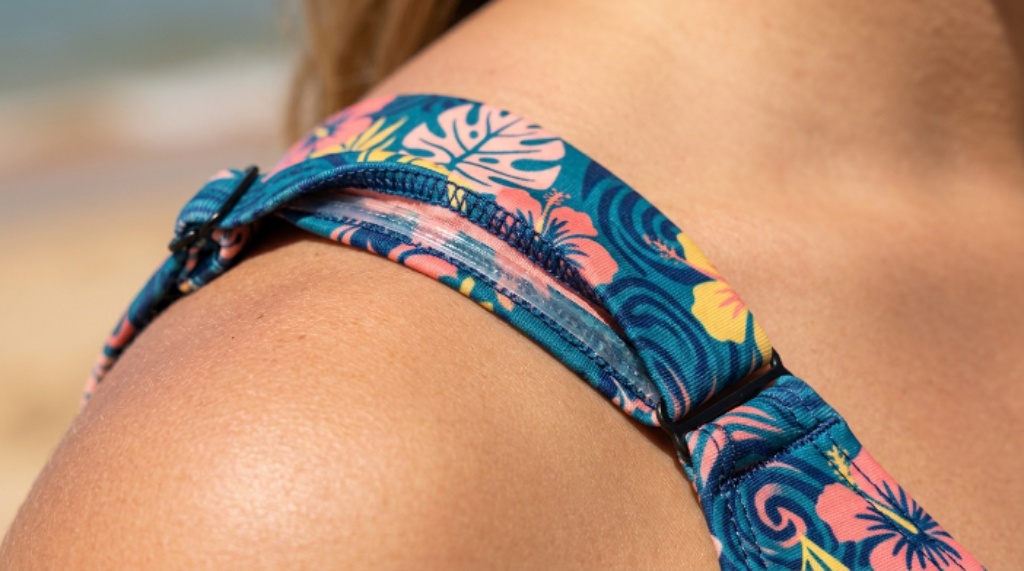
Silicone grips or elastic bands can prevent shifting. These are often found in high-quality non-slip swimwear.
Additionally, double-layered fabric adds extra hold. This is especially useful for strong surf conditions.
Best Styles for Heavy Waves
Different swimsuit styles offer different levels of support and security. Let’s explore the most reliable options.
High-Neck Bikini Tops
High-neck designs provide extra coverage and reduce movement.
They:
- Stay in place during dives
- Offer better chest support
- Reduce the risk of slipping
These are often found among the best surf bikinis designed for performance.
Racerback Tops
Racerback styles are popular among surfers for a reason.
- They keep straps from sliding
- They allow full shoulder movement
- They provide strong support
Additionally, they are comfortable for long sessions.
One-Piece Swimsuits
One-piece suits are a top choice for heavy waves.
- They offer full coverage
- They reduce the chance of shifting
- They provide a streamlined fit
However, make sure the suit fits perfectly. A loose one-piece can still move around.
Surf Leggings and Rash Guards
For maximum security, many surfers wear extra layers.
- Rash guards protect your skin
- Surf leggings prevent chafing
- Both add an extra layer of security
Therefore, they are a great addition to your surfing gear for women.
How to Test a Swimsuit Before Surfing
Before heading into the ocean, it is smart to test your swimsuit.
Do a Movement Test
Try:
- Jumping
- Stretching
- Twisting
If anything shifts, the fit may not be right.
Simulate Surf Conditions
If possible, test your swimsuit in water.
- Dive under
- Move quickly
- Check if straps stay in place
This helps you avoid surprises in real surf conditions.
Check for Pressure Points
Make sure there are no areas that rub or pinch. Over time, these can cause irritation or even rashes.
Common Mistakes to Avoid
Even experienced surfers sometimes choose the wrong swimsuit. Here are mistakes to watch out for.
Choosing Style Over Function
A swimsuit may look great but fail in strong waves.
Therefore, always prioritize:
- Fit
- Support
- Durability
Style should come second.
Ignoring Fabric Quality
Cheap materials lose shape quickly. As a result, your swimsuit may become loose after a few sessions.
Investing in quality fabric saves money in the long run.
Wearing Regular Swimwear
Regular swimsuits are not designed for surfing. They lack the support and grip needed for heavy waves.
Instead, choose options specifically made for surfing.
Tips for Long-Lasting Performance
A good swimsuit can last longer with proper care.
Rinse After Every Use
Saltwater and sand can damage fabric. Therefore, rinse your swimsuit with fresh water after each session.
Avoid Harsh Detergents
Use mild soap when washing. Strong chemicals can weaken the material.
Air Dry Only
Avoid using a dryer. Heat can reduce elasticity and shorten the lifespan of your swimsuit.
How to Choose the Right Size
Sizing can vary between brands. Therefore, always check size charts carefully.
Measure Your Body
Take accurate measurements of:
- Bust
- Waist
- Hips
Compare them with the brand’s guide.
Consider Compression
Some surf swimsuits are designed to feel tighter. This helps them stay secure in waves.
However, they should never feel painful.
Balancing Comfort and Performance
The best swimsuit is one that balances comfort and security.
- Too tight: uncomfortable and restrictive
- Too loose: unstable in waves
Therefore, aim for a fit that feels like a second skin.
Eco-Friendly Options
Many brands now offer sustainable swimwear.
These use:
- Recycled materials
- Eco-friendly dyes
Additionally, they perform just as well as traditional options. Choosing eco-friendly swimwear helps protect the oceans you surf in.
Final Thoughts
Choosing the right surfing swimsuit is not just about appearance. It is about performance, safety, and confidence in the water.
Focus on strong fabric, secure fit, and reliable design. Test your swimsuit before surfing and avoid common mistakes. Additionally, take care of your swimwear to extend its life.
With the right choice, you can enjoy every wave without worry.
Conclusion
A secure surfing swimsuit makes a big difference in heavy waves. It helps you stay focused and comfortable. By choosing the right fit, fabric, and style, you can avoid distractions and perform better.
Remember to test your swimsuit, care for it properly, and prioritize function over fashion. With these tips, you will be ready to handle even the toughest surf conditions.
Frequently Asked Questions
1. What makes a swimsuit good for surfing?
A good surfing swimsuit has a tight fit, strong fabric, and secure straps. It stays in place during movement and heavy waves.
2. Are bikinis suitable for heavy waves?
Yes, but only if they are designed for surfing. The best surf bikinis have strong support and non-slip features.
3. How tight should a surf swimsuit be?
It should feel snug but not painful. It should stay in place without restricting movement.
4. Can I wear regular swimwear for surfing?
Regular swimwear is not ideal. It may shift or loosen in strong waves. Surf-specific designs work better.
5. What is the benefit of wearing rash guards?
Rash guards protect your skin, add extra security, and improve comfort during long surf sessions.
Related Topics:
Types of Surfboard for Beginners: Choose the Best Board to Start Surfing
Top 7 Eco Skateboards Every Florida Skater Should Know About