The world of luxury handbags never stands still. Every season brings fresh silhouettes, new materials, and bold creative directions from the houses that define high fashion. In 2026, the landscape feels more exciting than ever. Established names are pushing boundaries, and a new wave of designers is earning their place alongside the classics.
Whether you are looking to invest in your first designer piece or expand a growing collection, knowing which brands are leading the conversation right now is essential. This guide covers the top luxury bag brands in 2026, what makes each one worth your attention, and how to shop smartly in a market full of options.
Why Luxury Handbags Remain a Smart Investment
A luxury handbag is not just a fashion accessory. For many buyers, it is a long-term investment. Certain bags hold their value remarkably well over time. Some even appreciate, especially when purchased in limited runs or classic colorways.
The key is choosing wisely. Not every expensive bag retains its value. However, bags from houses with strong heritage, consistent demand, and limited production tend to perform best on the resale market. Additionally, the emotional value of owning a beautifully crafted piece is something that goes beyond numbers.
In 2026, buyers are more informed than ever. They research before they purchase. They consider craftsmanship, sustainability, and long-term wearability alongside price. Therefore, brands that meet all these standards are the ones rising to the top.
The Iconic Houses Still Setting the Standard
Some brands have defined luxury for generations. In 2026, they are still the benchmark that everyone else is measured against.
Chanel
Chanel remains one of the most recognizable and respected names in fashion. The Classic Flap and the 2.55 continue to be among the most sought-after bags in the world. Their interlocking CC hardware and quilted leather have become symbols of timeless elegance.
Chanel controls its pricing carefully and limits availability, which keeps demand consistently high. Additionally, the brand has invested heavily in transparency around its ateliers and sourcing, which appeals to today’s more conscientious buyers. Owning a Chanel bag still carries a sense of occasion that few other brands can replicate.
Louis Vuitton
Louis Vuitton is the world’s most recognizable luxury brand by many measures. Its monogram canvas is instantly identifiable, and the brand’s collaborations with contemporary artists and designers keep it feeling fresh and culturally relevant.
In 2026, Louis Vuitton continues to expand its leather goods range with structured totes, soft-sided clutches, and limited-edition capsules that sell out almost immediately. The brand’s ability to balance heritage with modernity is one of its greatest strengths. However, its high visibility also means that buyers looking for exclusivity sometimes look elsewhere.
Hermès
Hermès operates differently from almost every other luxury house. The Birkin and Kelly bags are so tightly controlled that many buyers spend years on waiting lists. This scarcity is by design. It makes Hermès bags some of the most valuable objects in fashion, with resale prices that often exceed the original retail cost by a significant margin.
Craftsmanship is at the center of everything Hermès does. Each bag is made by a single artisan from start to finish. Therefore, the quality is exceptional and consistent. In 2026, Hermès remains the pinnacle of what a luxury bag can be.
Trending Handbag Brands Making Their Mark in 2026
While the classic houses hold their ground, a newer generation of labels is capturing serious attention. These trending handbag brands combine fresh aesthetics with quality materials and a strong sense of identity.
Bottega Veneta
Bottega Veneta has had one of the most remarkable rises in recent luxury fashion history. Its signature Intrecciato weave, a technique involving hand-woven leather strips, has become one of the most copied looks in accessories. However, the original remains unmistakably superior in quality and feel.
The brand’s Jodie bag and the Sardine clutch have become modern classics in a very short time. Bottega Veneta appeals to buyers who want quality and craftsmanship without relying on visible logos. That quiet confidence is exactly what a growing segment of fashion lovers is looking for.
Loewe
Loewe is one of the most exciting names in luxury accessories right now. The brand’s Puzzle bag, Flamenco clutch, and Hammock tote have all found devoted followings. Creative direction from Jonathan Anderson has brought a sense of playfulness and intellectual curiosity to the brand that feels entirely its own.
Loewe also stands out for its leather quality. The brand has a long history as a leather goods specialist, and that expertise shows in every bag it produces. Additionally, its campaigns and cultural collaborations have made it a favorite among fashion insiders and collectors.
The Row
The Row, founded by Mary-Kate and Ashley Olsen, has become one of the most respected names in understated luxury. Its bags are not covered in logos or hardware. Instead, they are defined by exceptional materials, clean lines, and a quiet authority that speaks volumes.
The brand’s Park tote and Margaux bag have become staples for buyers who prioritize long-term wearability over trend-driven design. Therefore, The Row fits naturally into a wardrobe built around investment pieces rather than seasonal novelty.
How Fashion Trends Women Are Watching in 2026 Shape Bag Choices
Understanding broader fashion trends women are responding to in 2026 helps explain why certain bags are selling out and others are not. This year, a few clear themes are influencing purchasing decisions.
Quiet luxury continues to be a dominant force. Buyers are drawn to bags that communicate quality through restraint rather than decoration. Minimal hardware, natural leather tones, and simple shapes are all in high demand. This shift benefits brands like The Row, Bottega Veneta, and Loewe, whose identities align perfectly with that sensibility.
At the same time, there is a growing appetite for personality and craft. Bags with interesting construction, visible stitching, or unique closures are finding enthusiastic audiences. Buyers want to feel that a bag is the result of skill and intention, not just a label attached to a commodity product.
Sustainability is also shaping choices more directly than in previous years. Brands that can speak clearly about where their leather comes from, how their workers are treated, and how long their products are designed to last are earning genuine loyalty from buyers who care about these questions.
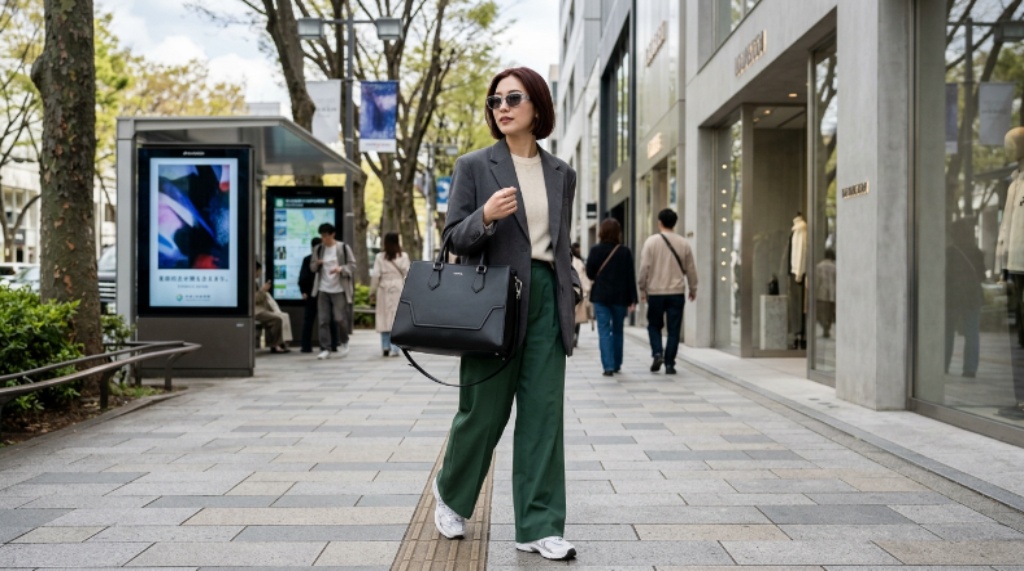
What to Consider Before Buying a Designer Bag
Shopping for a designer label bag is a significant decision. A few considerations can help you choose something you will love for years.
Think about your lifestyle first. A structured bag that looks beautiful in an office may feel impractical on weekends. Conversely, a casual tote may not fit every occasion you need it for. The most useful bags are the ones that work across multiple settings.
Consider the hardware and materials carefully. Gold hardware scratches more visibly than brushed silver. Smooth leather shows wear differently than pebbled or textured leather. Think about how a bag will look after a year of regular use, not just on the day you buy it.
Additionally, research the resale value if that matters to you. Some bags hold their value across decades. Others drop significantly once they are out of season. Choosing a classic silhouette in a neutral color is almost always the safer long-term bet.
Finally, buy from authorized retailers whenever possible. The secondary market is full of convincing counterfeits. Purchasing directly from a brand or an established authorized reseller protects your investment and ensures the quality you are paying for.
Caring for Your Luxury Bag
A well-made bag deserves proper care. Store it in its dust bag when not in use. Stuff it lightly with tissue paper to help it keep its shape. Keep it away from direct sunlight and extreme heat, which can fade color and dry out leather.
Clean the leather gently with a soft, dry cloth after each use. For deeper cleaning, use a leather conditioner recommended by the brand or a specialist. Additionally, rotate your bags regularly rather than using one exclusively. This reduces wear and extends the life of each piece in your collection.
Conclusion
The luxury bag market in 2026 offers something for every taste and budget within the high-end space. The classic houses like Chanel, Louis Vuitton, and Hermès continue to set the standard for craftsmanship, heritage, and long-term value. Meanwhile, trending handbag brands like Bottega Veneta, Loewe, and The Row are defining a new kind of modern luxury built on restraint, quality, and originality.
Understanding what drives current fashion trends helps you shop with clarity. Whether you are drawn to the timeless appeal of a quilted flap or the quiet sophistication of a minimal leather tote, knowing the landscape means you can make a choice that feels right today and holds meaning for years to come. A great bag is more than a purchase. It is a reflection of how you want to move through the world.
Frequently Asked Questions
Which luxury bag brand holds its value best in 2026?
Hermès consistently tops resale value rankings, with Birkin and Kelly bags often selling for more than their original retail price. Chanel and Louis Vuitton also perform strongly on the secondary market, particularly in classic styles and neutral colorways.
Are designer bags worth the investment?
For buyers who choose carefully, yes. Bags from established houses in timeless styles tend to retain or grow in value over time. However, trend-driven pieces or less established brands may not perform as well on resale.
What is the best luxury bag brand for first-time buyers?
Louis Vuitton and Chanel are popular starting points because of their strong brand recognition and wide range of entry-level styles. Loewe and Bottega Veneta are excellent choices for buyers who prefer a less logo-forward approach.
How can I tell if a luxury bag is authentic?
Purchase only from authorized retailers or well-established resale platforms that authenticate items before listing. Look for consistent stitching, quality hardware, proper lining, and accurate branding details. When in doubt, consult an authentication service.
What bag styles are trending in 2026?
Structured mini bags, oversized soft totes, and woven leather designs are all performing strongly in 2026. Neutral tones such as camel, chocolate brown, and off-white remain the most versatile and in-demand choices across most luxury brands.