Living in a small apartment does not mean giving up on great home cooking. Fresh pasta is one of life’s simple pleasures, and you do not need a large kitchen to make it. The right pasta maker can fit neatly on a shelf, store in a cabinet, and still produce restaurant-quality results.
However, choosing the right machine takes some thought. Not every pasta maker is built with compact living in mind. Some are bulky, heavy, or difficult to store. Others are flimsily made and fall apart after a few uses. This guide helps you cut through the noise and find a machine that genuinely works for your space and your lifestyle.
Why Fresh Pasta Is Worth Making at Home
Store-bought pasta is convenient, but it cannot match the taste and texture of fresh pasta made from scratch. Homemade pasta absorbs sauce more readily. It cooks faster and has a softer, silkier bite. Additionally, making your own pasta lets you control every ingredient, which is great if you follow a specific diet or have food sensitivities.
The process is also surprisingly enjoyable. Rolling and cutting dough by hand or machine is a satisfying kitchen activity. Once you try fresh pasta at home, it is hard to go back to dried packets from the supermarket. The good news is that a compact, well-designed pasta maker makes the whole process simple and mess-free.
What to Look for in a Compact Pasta Maker
Before you buy, it pays to understand what separates a good compact pasta maker from a frustrating one. These are the key factors to consider.
Size and Footprint
The most important factor for apartment living is physical size. Look for a machine with a footprint no larger than a standard book. Many manual pasta makers attach to a countertop or table with a clamp, which makes them easy to set up and put away. Electric models vary more in size, so always check the exact dimensions before purchasing.
Weight also matters for storage. A machine you can comfortably lift with one hand is far more practical when counter space is limited. Therefore, aim for something under five kilograms for easy daily use.
Manual vs. Electric
Manual pasta makers are operated by turning a hand crank. They are generally smaller, lighter, and more affordable than electric models. They also give you more control over the thickness of your dough. However, they require physical effort and can be tiring if you are making large batches.
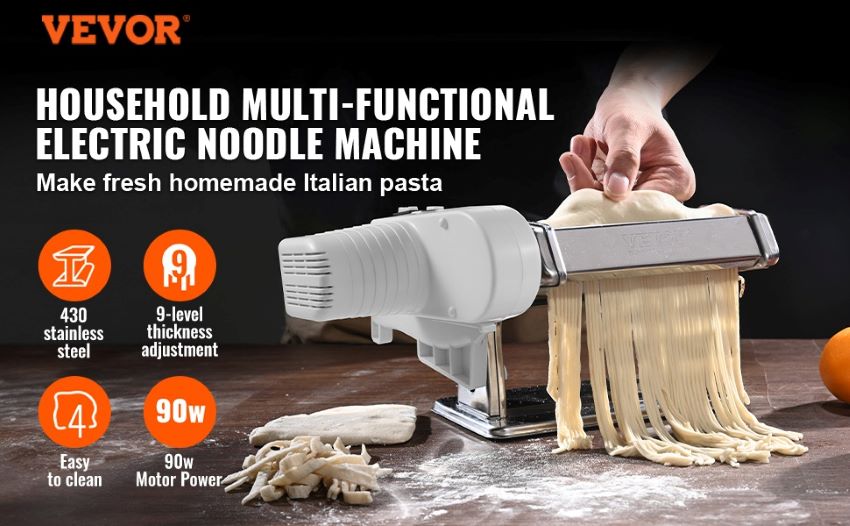
Electric pasta makers do the heavy work for you. You feed in the dough and the machine handles the rolling and cutting. Some models even mix the dough from scratch. These are more convenient but tend to take up more space and cost more. For most apartment dwellers, a compact manual model strikes the best balance between size and performance.
Build Quality and Materials
A pasta maker takes physical stress every time you use it. The rollers and cutting attachments need to be sturdy. Stainless steel rollers are the gold standard. They are durable, easy to clean, and do not rust. Avoid machines with plastic rollers, as these wear down quickly and can leave debris in your dough.
The body of the machine should feel solid when assembled. Wobbling or flexing during use is a sign of poor construction. Additionally, check that the clamp or suction base holds firmly to your counter or table. A machine that slips during use is both frustrating and potentially dangerous.
Thickness Settings
Good pasta making requires control over dough thickness. Most quality machines offer between six and nine thickness settings. This range lets you make thin pasta like angel hair, standard spaghetti, and thicker shapes like pappardelle or lasagne sheets. More settings give you more versatility without requiring multiple machines.
Cleaning and Maintenance
Pasta dough sticks to everything. A machine that is difficult to clean will quickly become a source of frustration. Look for removable rollers and cutters that can be wiped down easily. Most pasta makers should not be submerged in water, so a stiff brush and a dry cloth are the standard cleaning tools.
Some newer compact models feature non-stick coated rollers, which reduce buildup significantly. However, always read the care instructions before purchasing to avoid accidental damage.
The Best Types of Compact Pasta Makers for Small Kitchens
There are several distinct categories of pasta makers that suit small kitchen living well. Understanding each type helps you choose the one that fits your cooking habits.
Classic Roller and Cutter Machines
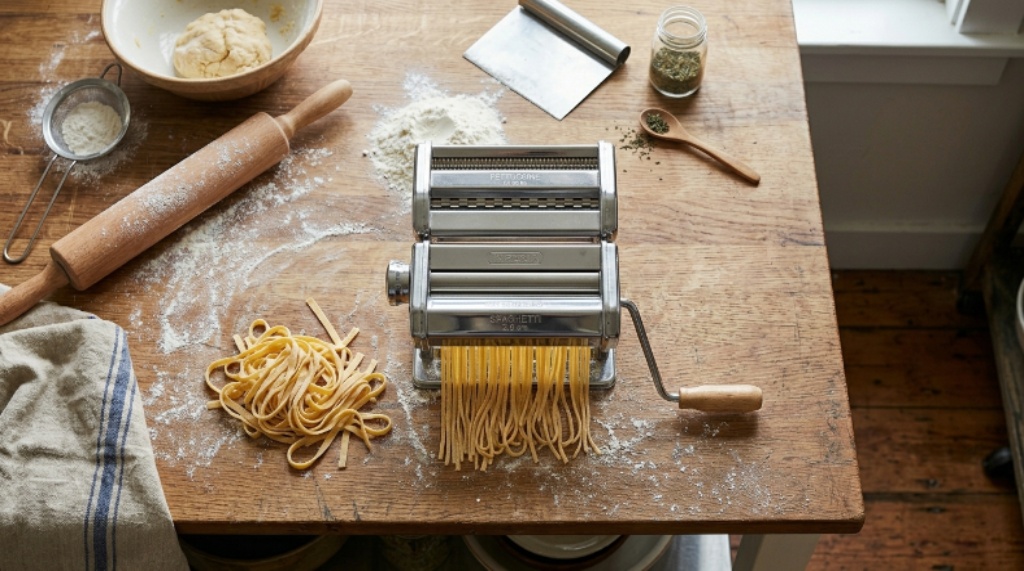
These are the traditional style of pasta maker. A flat sheet of dough is fed through rollers, thinned to the desired thickness, and then passed through a cutter to produce noodles. They are simple, reliable, and compact. Most fold flat for storage and weigh very little. This style is the top choice among small kitchen appliances for pasta enthusiasts who want precise control and minimal counter impact.
Compact Extruder-Style Machines
Extruder machines push dough through shaped dies to create tubes, spirals, and other pasta shapes. Some countertop pasta machine models in this category are impressively small and can sit comfortably on a narrow kitchen shelf. They are ideal for making rigatoni, penne, and fusilli at home. Additionally, they tend to be faster than roller machines for producing large quantities.
All-in-One Electric Pasta Makers
These machines handle everything from mixing the dough to extruding the final shape. You add flour, eggs, and water, then press a button. They are the most convenient option but also the largest. If you have even a modest amount of counter space, an all-in-one machine can be a genuine time-saver. However, they are not ideal for the smallest apartments where every centimeter counts.
Smart Storage Tips for Pasta Makers in Small Apartments
Buying the right machine is only part of the solution. Storing it well keeps your kitchen functional and tidy.
Wall-mounted hooks or pegboards are an excellent option for manual pasta makers. The machine can hang flat against the wall and takes up almost no space. Additionally, keeping it visible means you are more likely to use it regularly.
Cabinet shelving works well for boxed or compact models. If your machine comes in its original box, that box can act as a clean storage solution that protects the machine from dust. Stack it vertically to save shelf space.
If your machine includes multiple cutting attachments, store them in a small labeled container or zip bag. Keeping accessories together prevents loss and makes setup quicker each time you cook.
Getting the Most Out of Your Compact Pasta Maker
Owning a pasta maker is only the beginning. A few simple habits will help you get consistently great results.
Always rest your dough before rolling it. Fifteen to thirty minutes of rest relaxes the gluten and makes the dough much easier to work with. Rushing this step leads to dough that springs back and tears during rolling.
Use flour generously during the rolling process. Lightly dusting the dough and the machine prevents sticking without making the pasta too dry. Semolina flour is particularly good for this purpose.
Start at the widest thickness setting and work your way down gradually. Skipping settings stresses the dough and can cause tearing. Therefore, take it one or two settings at a time for smooth, even sheets.
Clean your machine promptly after each use. Dried dough is much harder to remove than fresh residue. A quick brush down immediately after cooking keeps the machine in great condition for years.
Conclusion
A compact pasta maker is one of the most rewarding additions to a small apartment kitchen. The right machine takes up minimal space, stores easily, and opens up a world of fresh pasta possibilities. Focus on size, build quality, thickness settings, and ease of cleaning when making your choice. Manual roller machines are ideal for most small spaces, while electric models suit those who prioritize convenience. With smart storage habits and a little practice, fresh homemade pasta becomes a simple, satisfying part of everyday cooking. You do not need a big kitchen to eat well. You just need the right tools.
Frequently Asked Questions
Can I really use a pasta maker in a very small kitchen?
Yes, absolutely. Many manual pasta makers are no larger than a hardback book when stored. They clamp to any table or countertop and can be put away in seconds. You do not need a dedicated workspace to use one effectively.
How much should I spend on a compact pasta maker?
A reliable manual pasta maker typically costs between $30 and $70. Compact electric models range from $80 to $200 depending on features. For most apartment dwellers starting out, a mid-range manual machine offers the best value.
Is a manual or electric pasta maker better for a small apartment?
Manual machines are generally better for small apartments. They are lighter, smaller, and easier to store. Electric machines are more convenient but take up more counter space. Choose based on how often you plan to cook and how much space you can spare.
Do compact pasta makers work with gluten-free flour?
Many do, but results vary. Gluten-free dough is often more fragile and less elastic than traditional wheat dough. Look for a machine with adjustable roller tension and start with a tested gluten-free pasta recipe for the best results.
How do I clean a pasta maker without damaging it?
Never submerge a pasta maker in water. Use a dry or slightly damp cloth to wipe the exterior and a stiff brush to remove flour and dough from the rollers and cutters. Allow it to dry completely before storing. Most machines stay clean with just a quick brush after each use.