
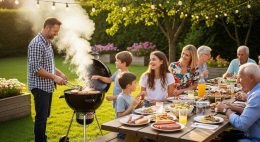
There’s something magical about gathering your loved ones around a grill on a beautiful day. The aroma of food cooking over flames, the laughter of children playing in the yard, and the joy of sharing a meal outdoors create memories that last a lifetime. Planning a successful family barbecue doesn’t need to be stressful or complicated.
With proper preparation and a few smart strategies, you can host an event that everyone enjoys. This guide will walk you through every aspect of planning your perfect backyard gathering. From menu selection to entertainment ideas, you’ll discover how to create an unforgettable experience for your family.
Whether you’re a seasoned grill master or hosting your first cookout, these tips will help you organize an event that runs smoothly from start to finish. Let’s explore how to turn your backyard into the ultimate family gathering spot.
Choosing the Right Date and Time
Timing plays a crucial role in your barbecue’s success. Consider your family’s schedules carefully before setting a date. Weekends typically work best for most families, allowing people to relax without worrying about early morning commitments the next day.
Check the weather forecast at least a week in advance. While you can’t control the weather, having a backup plan helps. Consider moving the date if severe weather is predicted. Light rain shouldn’t stop you if you have covered areas, but thunderstorms or extreme heat require alternative arrangements.
Additionally, think about the time of day. Afternoon barbecues starting around 2 or 3 PM give you flexibility. Guests can arrive gradually, and you’ll have daylight for outdoor activities. Evening events create a different atmosphere with string lights and a cooler temperature, perfect for summer months.
Send invitations at least two weeks ahead. This timeframe gives family members enough notice to arrange their schedules. A simple text message or phone call works perfectly for casual family gatherings.
Planning Your Menu
The menu is the heart of any barbecue. Start by considering your family’s preferences and dietary restrictions. Some family members might be vegetarian, while others may have food allergies. Planning diverse options ensures everyone finds something they enjoy.
Main dishes typically center around proteins. Classic choices include burgers, hot dogs, chicken, and ribs. However, don’t limit yourself to traditional options. Fish, shrimp, and portobello mushrooms also work wonderfully on the grill. Consider preparing two or three main options to provide variety.
Side dishes complement your grilled items perfectly. Coleslaw, potato salad, and baked beans are traditional favorites that most people love. Fresh salads add a lighter option, while grilled vegetables provide another healthy choice. Corn on the cob is always popular with both children and adults.
Include options that don’t require grilling. Not everything needs to come off the barbecue. Prepare some dishes ahead of time to reduce your workload on the day of the event. Cold salads, dips, and appetizers can be made the night before.
Think about dessert options that fit the outdoor theme. Fruit salads, ice cream, or s’mores are perfect endings to a barbecue meal. These treats are easy to serve and clean up, keeping the casual atmosphere intact.
Creating a Shopping List
Organization starts with a comprehensive shopping list. Write down every ingredient you’ll need for your planned menu. Don’t forget essentials like condiments, buns, and drinks. It’s better to have too much than to run out during your event.
Shop a few days before your barbecue for non-perishable items. This approach spreads out the work and prevents last-minute rushes. Buy fresh produce, meat, and seafood the day before or morning of your event to ensure maximum freshness.
Additionally, stock up on supplies beyond food. Paper plates, napkins, cups, and utensils make cleanup easier. Aluminum foil, plastic wrap, and storage containers help with food preparation and leftovers. Don’t forget charcoal or propane, depending on your grill type.
Consider quantities carefully. A general rule suggests half a pound of meat per adult and a quarter pound for children. Side dishes should provide about half a cup per person. These estimates help prevent food waste while ensuring adequate portions.
Preparing Your Backyard Space
Your outdoor area sets the stage for the entire event. Start by cleaning and organizing your yard a few days before the barbecue. Mow the lawn, trim hedges, and remove any debris. A tidy space makes guests feel more comfortable and provides safer play areas for children.
Arrange seating to encourage conversation. Mix tables and chairs with blankets or lawn chairs for a relaxed atmosphere. Ensure you have enough seating for all guests, with a few extra spots for flexibility.
Create distinct zones for different activities. Set up the eating area near your house for easy access to the kitchen. Position the grill in a safe location away from high-traffic areas and play zones. Designate a space for children’s activities away from the cooking area.
Therefore, think about shade and shelter. Canopies or umbrellas protect guests from intense sun or unexpected light rain. These additions extend your usable space and keep people comfortable throughout the event.
Set up a drinks station separate from the main food area. This arrangement reduces congestion and allows guests to help themselves. Stock it with water, sodas, and other beverages in coolers filled with ice.
Mastering Grilling Techniques
Understanding basic grilling techniques elevates your cooking and impresses your family. Start by preheating your grill properly. Gas grills need about 15 minutes to reach the right temperature, while charcoal takes longer.
Create different heat zones on your grill. Place more coals or turn burners higher on one side for direct, high-heat cooking. Keep the other side cooler for indirect cooking. This setup gives you flexibility to sear items quickly or cook them slowly without burning.
Resist the urge to flip food constantly. Let meat develop a proper sear before turning it. Most items only need to be flipped once. Pressing down on burgers releases juices and creates dry, less flavorful results.
Use a meat thermometer to ensure proper cooking temperatures. Chicken should reach 165 degrees Fahrenheit, while beef burgers need 160 degrees for medium doneness. This tool prevents undercooked food while avoiding overcooking.
Additionally, let meat rest after grilling. This pause allows juices to redistribute throughout the meat, creating more flavorful and tender results. Cover grilled items loosely with foil and let them sit for five to ten minutes before serving.
Exploring Backyard Cooking Ideas
Get creative with your approach to outdoor cooking. Try marinades that infuse flavor into your proteins hours before grilling. Simple combinations of oil, acid like vinegar or citrus juice, and herbs create delicious results.
Experiment with wood chips or planks for added flavor. Soaking wood chips in water for 30 minutes before adding them to your grill creates aromatic smoke. Cedar planks work wonderfully for salmon, adding a subtle woodsy taste.
Consider foil packet cooking for vegetables and delicate items. Wrapping food in aluminum foil with seasonings and a bit of liquid creates steam that cooks food perfectly. This method works great for corn, potatoes, and mixed vegetables.
Don’t overlook your grill’s versatility. You can prepare entire meals outdoors, from appetizers to desserts. Grilled pizza, stuffed peppers, and even fruit desserts expand your menu possibilities.
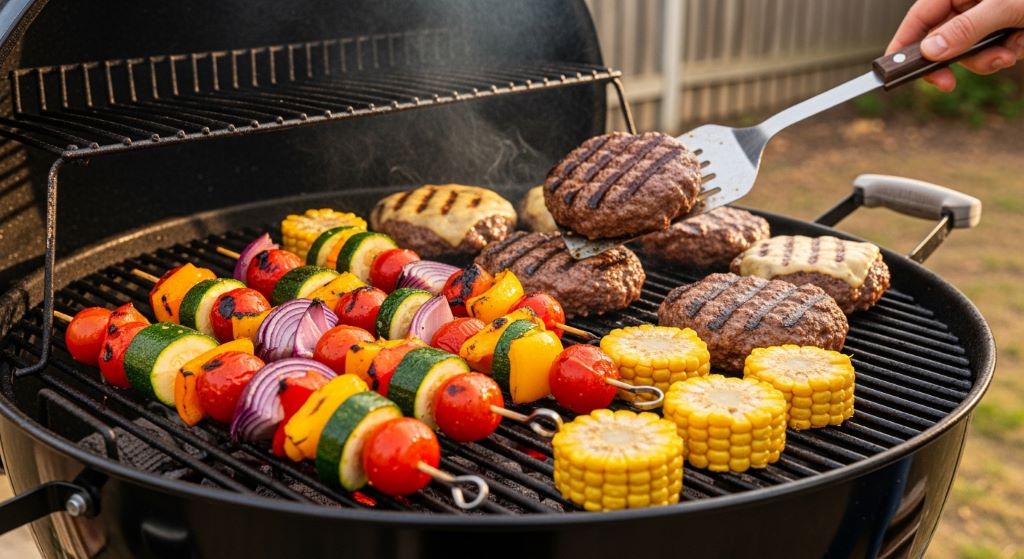
Discovering Simple Grilling Recipes
Having a few reliable recipes ensures your barbecue success. Start with a classic burger that everyone loves. Mix ground beef with salt, pepper, and a bit of garlic powder. Form patties slightly larger than your buns, as they shrink during cooking.
Marinated chicken skewers offer variety and visual appeal. Cut chicken breast into cubes and marinate in olive oil, lemon juice, garlic, and herbs for at least two hours. Thread onto skewers with vegetables like peppers and onions.
Try honey-glazed ribs for something special. Season ribs with a dry rub the night before. Grill them slowly over indirect heat, basting with a mixture of honey, barbecue sauce, and apple cider vinegar during the last 30 minutes.
Grilled vegetable medley pleases vegetarians and adds color to your spread. Slice zucchini, bell peppers, and eggplant. Brush with olive oil, sprinkle with salt and pepper, then grill until tender with attractive char marks.
For a fun twist, prepare stuffed jalapeños. Halve jalapeños and remove seeds. Fill with a mixture of cream cheese and shredded cheddar, wrap with bacon, and grill until the bacon crisps.
Organizing Entertainment and Activities
Keep family members engaged beyond mealtime. Set up classic lawn games like cornhole, horseshoes, or badminton. These activities entertain both children and adults while promoting interaction.
Create a playlist that matches your event’s vibe. Background music enhances the atmosphere without overwhelming conversation. Choose upbeat, family-friendly songs that appeal to all ages.
Plan activities specifically for children. Water balloons, bubbles, or a small inflatable pool keep young ones entertained. Having designated activities prevents boredom and allows adults to relax and socialize.
Additionally, consider setting up a craft station. Simple activities like decorating cookies or creating nature art keep children occupied. These projects give them something to take home as a reminder of the fun day.
Managing Food Safety
Food safety is crucial when cooking outdoors in warm weather. Never let perishable foods sit at room temperature for more than two hours, or one hour if it’s above 90 degrees Fahrenheit. Use coolers with plenty of ice to keep items cold until serving time.
Keep raw and cooked foods completely separate. Use different plates, utensils, and cutting boards for raw meat and ready-to-eat items. This practice prevents cross-contamination and foodborne illness.
Wash your hands frequently, especially after handling raw meat. If running water isn’t easily accessible, set up a handwashing station with soap, water, and paper towels. Hand sanitizer provides a convenient backup option.
Cover food to protect it from insects. Use mesh food covers or aluminum foil to shield dishes between servings. This simple step keeps your food cleaner and more appetizing.
Handling Cleanup Efficiently
Smart planning makes cleanup much easier. Set up clearly marked trash and recycling bins throughout your party area. Multiple stations prevent overflow and encourage guests to dispose of items properly.
Use disposable serving platters and utensils when possible. While not the most environmentally friendly option, they significantly reduce after-party cleanup. If you prefer reusable items, enlist help from family members to wash dishes in shifts.
Start cleanup as you go. Wipe down surfaces, put away empty containers, and dispose of food scraps during the event. This ongoing maintenance prevents overwhelming messes from accumulating.
Therefore, store leftovers promptly. Package extra food in containers before your energy runs out. This immediate action ensures food stays safe and gives you ready-made meals for the following days.
Conclusion
Planning a perfect family barbecue combines thoughtful preparation with relaxed execution. By choosing the right time, creating a diverse menu, and preparing your space properly, you set the foundation for success. Mastering basic grilling techniques and exploring various backyard cooking ideas and grilling recipes expands your culinary repertoire.
Remember that the goal is bringing family together, not achieving perfection. Small hiccups are normal and often become the funny stories you’ll share at future gatherings. Focus on creating a welcoming atmosphere where everyone feels comfortable and valued.
With these strategies in place, you’re ready to host memorable barbecues that your family will look forward to year after year. The combination of good food, outdoor fun, and quality time together creates experiences that strengthen family bonds and build lasting traditions.
Frequently Asked Questions
How much food should I prepare per person?
Plan for approximately half a pound of meat per adult and a quarter pound per child. For side dishes, estimate half a cup per person for each dish. It’s better to have leftovers than to run out of food. Consider your family’s appetites and typical eating patterns when finalizing quantities. Having 10 to 15 percent extra food ensures nobody leaves hungry.
What’s the best way to keep food warm during a barbecue?
Use aluminum foil to wrap cooked items and place them in a low-temperature oven around 200 degrees Fahrenheit. Alternatively, keep food on the cooler side of your grill with the lid closed. Slow cookers work excellently for dishes like baked beans or pulled pork. For shorter periods, insulated containers or warming trays maintain proper temperatures without continuing to cook the food.
How can I accommodate vegetarian family members?
Offer substantial vegetarian options beyond basic salads. Grilled portobello mushrooms make excellent burger substitutes. Vegetable skewers, stuffed peppers, and grilled corn provide filling choices. Consider veggie burgers or plant-based proteins if family members prefer them. Always use clean utensils and separate grill space to avoid cross-contamination with meat products.
What should I do if it rains on the day of my barbecue?
Move the party to a covered patio or garage if you have one. You can still grill under a covered area with proper ventilation. Alternatively, use your oven and broiler to achieve similar results indoors. Some families embrace light rain with umbrellas and ponchos, making it part of the adventure. Have board games and indoor activities ready as backup entertainment.
How far in advance can I prepare food for a barbecue?
Marinades work best when applied 2 to 24 hours before cooking. Prepare cold salads and side dishes the day before. Cut vegetables and prepare seasonings up to two days ahead. However, form burger patties the morning of your event to maintain proper texture. Most desserts can be made one to two days in advance. This preparation schedule balances freshness with convenience.
Related Topics:
Stainless Silverware Turning Black? Here’s Why and How to Fix It
STK Steakhouse Miami Beach: Reservations, Menu & Reviews