Seattle experiences frequent rain, strong winds, and seasonal storms that challenge residential solar systems every year. According to industry reports, millions of American homes now use solar energy, while weather related outages continue increasing nationwide. Therefore, homeowners should prepare systems before severe conditions arrive for better reliability. Some homeowners researching mobile energy solutions also compare diy Sprinter van conversion cost when planning dependable backup power strategies alongside residential solar investments.
Understand Seattle Storm Risks Before Preparing
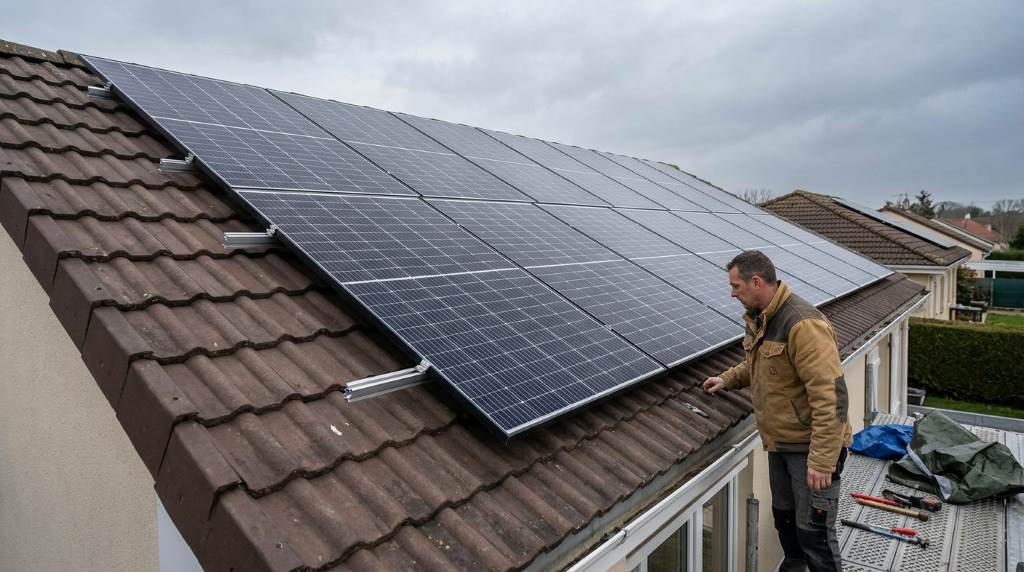
Every preparation plan starts with understanding local weather patterns and possible equipment vulnerabilities around your property. Heavy rainfall, falling branches, and powerful wind gusts create different risks throughout the changing seasons.
Additionally, inspect surrounding trees because loose branches often damage exposed solar panels during severe weather. Homeowners who enjoy outdoor equipment often review second hand trailer maintenance guides since preventive inspections protect valuable investments similarly.
Know Common Weather Threats
- Heavy rainfall causing water intrusion
- Strong wind lifting loose components
- Tree branches falling onto panels
- Power outages affecting solar production
- Lightning increasing electrical risks
Inspect Every Solar Component Carefully
A complete inspection helps identify hidden issues before storms create larger and more expensive repairs. Consequently, small maintenance tasks often prevent unexpected failures during challenging weather.
Check mounting brackets for rust, movement, or missing hardware because structural stability remains extremely important. Likewise, many homeowners studying auto repair garage tools appreciate the value of using dependable equipment during inspections.
Examine Solar Panels
Look closely for cracks, loose frames, scratched glass, or signs of water entering the panel surface. Even minor damage may reduce efficiency and increase future maintenance costs after storms.
Inspect Mounting Hardware
Secure mounting hardware keeps panels stable despite strong wind pressure during severe weather conditions. Therefore, tighten loose fasteners immediately and replace corroded hardware without unnecessary delays.
Review Electrical Connections
Electrical wiring should remain dry, protected, and properly secured against moisture throughout the entire installation. Furthermore, inspect conduit seals because water exposure may create dangerous electrical problems.
Trim Trees and Secure the Surrounding Area
Nearby landscaping significantly affects solar panel safety during storms because falling debris causes expensive damage quickly. Smart property maintenance reduces preventable risks before strong weather develops.
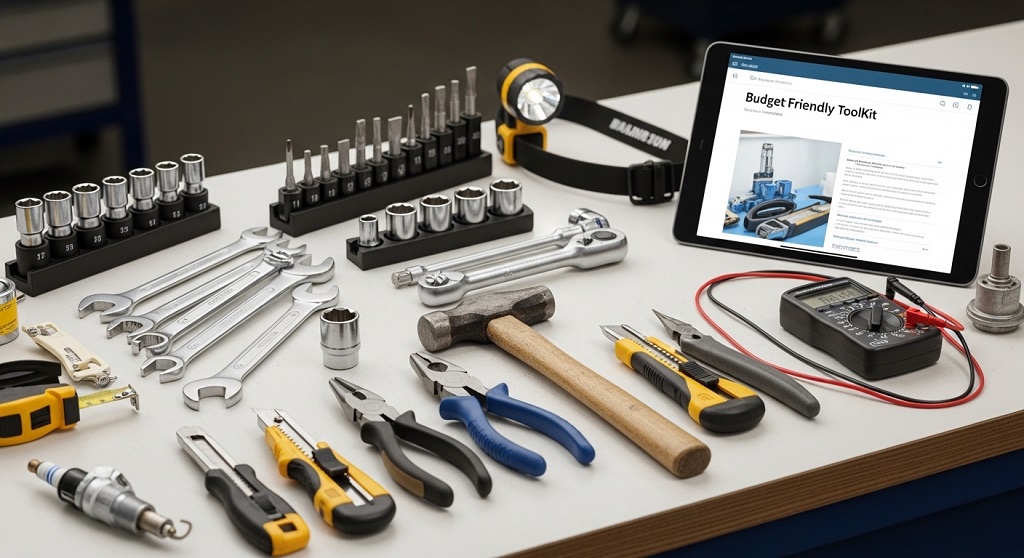
Remove weak branches hanging above the system and clear loose outdoor objects around the installation area. Meanwhile, homeowners organizing emergency supplies sometimes explore budget mechanic tool kit resources for practical maintenance essentials.
Focus on Property Safety
- Trim overhanging branches regularly
- Remove unstable outdoor furniture
- Secure ladders and storage bins
- Clear roof drainage systems
- Inspect nearby fences for stability
Protect Your Battery Storage System
Battery storage increases energy independence when storms interrupt utility service across local neighborhoods. However, batteries require careful protection from moisture and physical impacts throughout severe weather.
Keep battery enclosures dry, ventilated, and free from unnecessary clutter that blocks airflow around equipment. Moreover, monitor manufacturer recommendations because proper temperatures extend battery lifespan significantly.
Prepare for Possible Power Outages
Storm preparation should include backup plans because utility restoration sometimes requires several hours or longer. A reliable strategy reduces inconvenience while supporting essential household needs.
Charge battery systems completely before major storms whenever weather forecasts indicate increasing risks across the region. Additionally, unplug sensitive electronics if recommended by your equipment manufacturer during severe electrical activity.
Create an Emergency Checklist
- Charge battery storage completely
- Store flashlights with fresh batteries
- Keep emergency contact numbers available
- Save system manuals digitally
- Monitor weather alerts regularly
Monitor Weather Forecasts Frequently
Reliable weather forecasts provide valuable preparation time before dangerous conditions reach your neighborhood unexpectedly. Therefore, review local forecasts daily whenever storms appear likely.
Many weather applications also deliver instant notifications about high winds, heavy rain, and lightning threats. Consequently, early warnings allow homeowners to complete inspections before conditions worsen.
Schedule Professional Maintenance Annually
Professional inspections identify issues that homeowners might overlook during routine maintenance around solar equipment. Certified technicians also verify electrical safety using specialized testing equipment.
Annual maintenance improves long term performance while reducing the possibility of unexpected failures during demanding weather events. Furthermore, documented inspections may support warranty requirements when repairs become necessary.
Clean Panels Before Storm Season
Clean solar panels produce electricity more efficiently because dirt blocks valuable sunlight throughout changing seasons. However, avoid aggressive cleaning methods that could damage protective panel coatings.
Use soft cleaning tools with manufacturer approved methods for safe maintenance without scratching the glass surface. Likewise, postpone cleaning during dangerous weather because personal safety always comes first.
Review Insurance Coverage
Insurance policies differ greatly, so homeowners should verify coverage before severe weather creates unexpected damage. Understanding policy details helps avoid confusion during stressful situations.
Contact your insurance provider and confirm protection for solar panels, mounting systems, batteries, and electrical equipment. Besides that, photograph the installation regularly because updated records simplify future claims.
Build a Long Term Storm Readiness Plan
Effective preparation requires consistent maintenance instead of waiting until severe weather approaches unexpectedly each season. Small preventive actions usually cost much less than major storm repairs.
Create a seasonal inspection schedule and document completed maintenance after every visit for future reference. As a result, your solar setup remains dependable despite Seattle’s changing weather conditions.
Conclusion
Preparing solar setups before storms protects valuable equipment while improving long term energy reliability for every homeowner. Careful inspections, regular maintenance, and smart planning reduce avoidable risks throughout every season.
Start reviewing your solar system today and schedule preventive maintenance before the next major storm arrives. Taking action now helps protect your investment while supporting dependable clean energy for years ahead.
Frequently Asked Questions
How often should solar panels be inspected before storm season?
Inspect your system at least twice yearly and before every major storm forecast.
Can heavy rain damage solar panels?
Quality solar panels resist rain well, but damaged seals or mounts may create problems.
Should I clean solar panels before storms?
Yes, clean panels operate more efficiently when maintained using safe manufacturer approved methods.
Do batteries need special protection during storms?
Yes, batteries should remain dry, ventilated, and protected from physical damage.
When should I call a professional technician?
Contact a certified technician whenever you notice structural damage, electrical issues, or reduced performance.