What Does Jean-Michel Basquiat Crown Present?

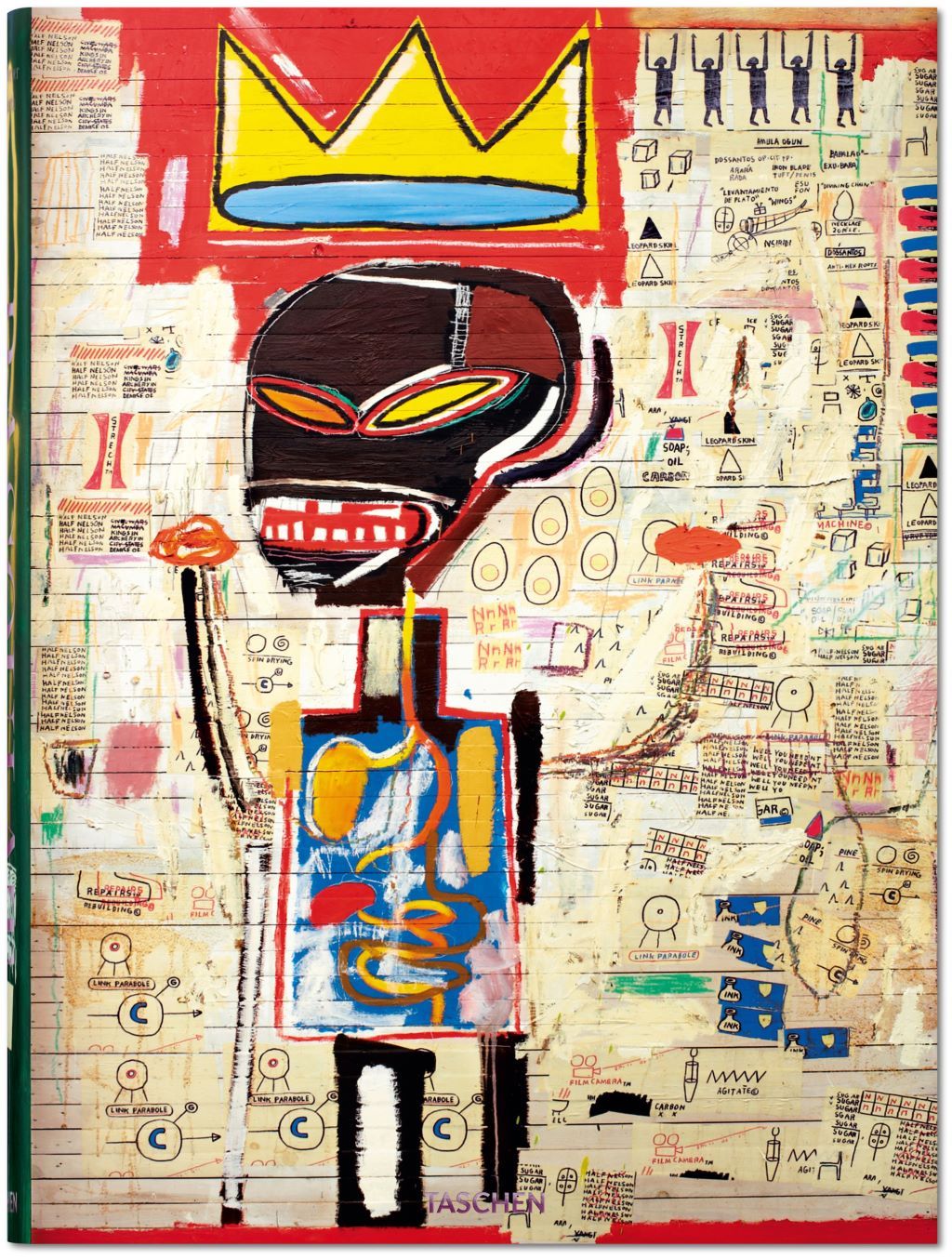
Think of Jean-Michel Basquiat, the art world rockstar, and a peculiar crown likely springs to mind. His paintings burst with raw energy, a whirlwind of color, text, and a recurring symbol – that now-iconic three-pointed crown. It’s a simple-looking motif, yet packed with complex meanings. Let’s peel back the layers to discover what Jean-michel Basquiat crown may have communicated.

How Do You Attach a Flag to a Sleeve to a Pole

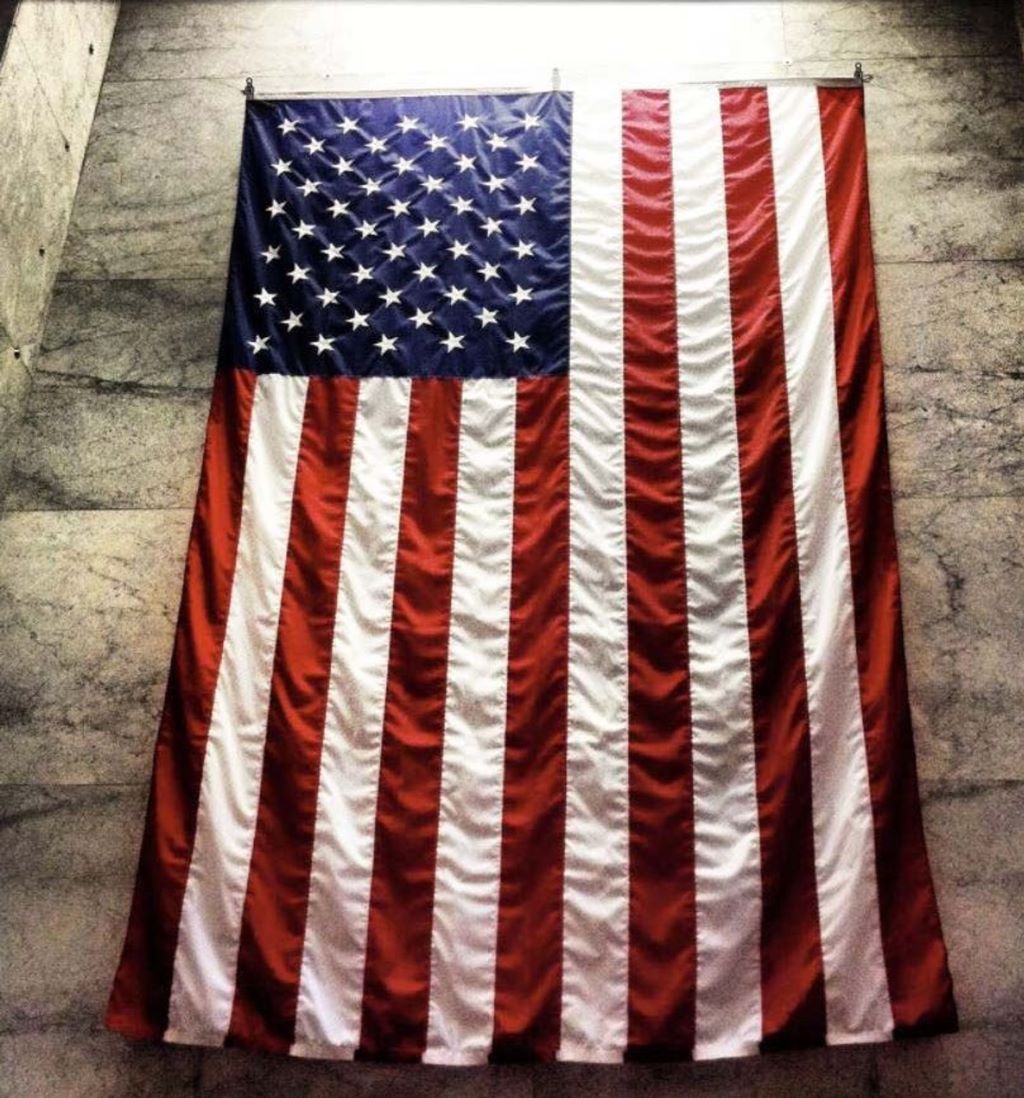
Attaching a flag to a sleeve on a pole may seem like a simple task, but there are actually various ways to go about it depending on the type of pole and flag you have. Whether you’re looking to proudly display your national flag or simply want to add some decoration to your home, this guide will walk you through the steps for attaching a flag to your sleeve on a pole.

How Do You Use Wire Rope Crimps

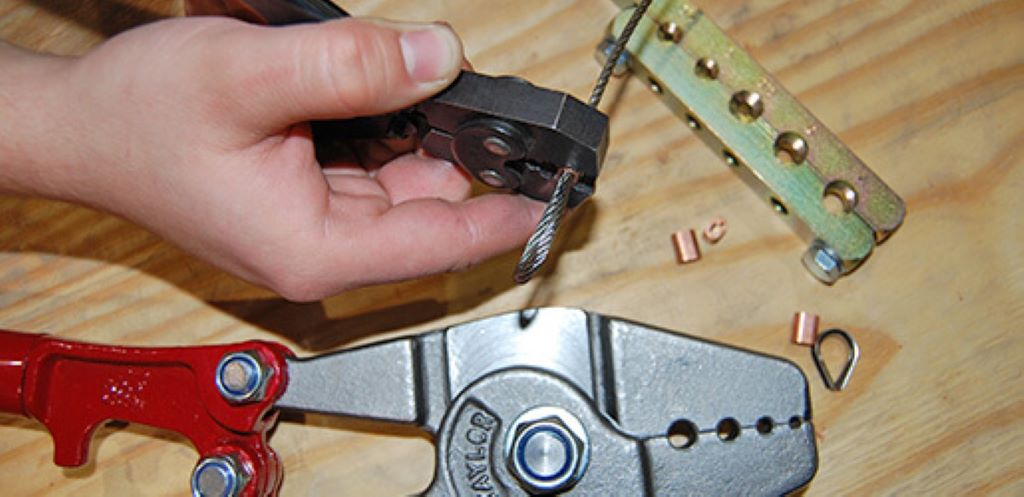
Hey there, DIY enthusiasts and handy folks! Today, we’re diving into the world of wire rope crimps. If you’re new to this, don’t worry – we’ve got your back. Imagine wire rope crimps as the trusty handshake that holds your wire ropes together securely. They may look small, but they play a mighty role in ensuring safety and stability. So, grab your tool belt and join us as we explore how to use wire rope crimps like a pro.

Going the extra mile to promote clinical trials

Clinical trials to test diagnostic techniques, new treatments and other medical interventions are vital for accurately finding out what is effective and what isn’t. Amazingly, there is no complete record of all the trials that have been conducted and neither have the results of many of them been reported. The AllTrials campaign, launched by Sense About Science in January 2013, aims to promote greater transparency in Paid Medical Trials.

Image Credit

Why are clinical trials so important?

In many fields, including treatments and tests for cancer that are responsible for doubling survival rates in the last forty years, clinical trials have aided medical progress. The information provided by clinical trials helps to inform the decisions made by doctors and others treating many diseases.

The opportunity to improve medical treatments depends on the results of clinical trials, and if these are not reported it devalues the commitment and sacrifices made by the patients who take part in them. It also has implications for those working in pharmaceutical consulting and across the medical sector. According to the NHS, clinical trials in the UK are authorised and reviewed by the Medicines and Healthcare products Regulatory Agency (MHRA).

The AllTrials campaign

In an effort to promote transparency in clinical trials, the AllTrials campaign is calling for registration and results reporting of all past and present clinical trials. The campaign, by the charity Sense About Science, is supported by 633 organisations and over 87,000 individuals. The organisations that have signed up to the campaign include prestigious names such as Cancer Research UK and GlaxoSmithKline, indicating that transparency in clinical trials is important to the research community. Paid Medical Trials from Trials 4 Us are involved in many important clinical trials.

In addition to involving so many people and organisations, the campaign has also succeeded in changing European law. From 2018, the law will require all new clinical drug trials to be registered and to report their results, although access to data from the past is still needed.

Cancer trials

Clinical cancer trials are very advanced compared to those in many other diseases, and as many as a fifth of cancer patients have participated in a trial. It is hoped that the example of registering and reporting these large scale trials can be extended to other areas.

How do you cut diamonds?

Even though diamonds can be artificially made, they are not true diamonds. True diamonds are created exclusively by nature, forged from the molten magma at the heart of the planet. They are made from carbon, which is actually one of the most common materials in the world. It is their rarity and beauty that make demand for them so high. The most valuable diamonds are those that are completely transparent and show no imperfections whatsoever. So, how do they go from being mined from the earth into the delicate and stunning jewellery that we see in the jewellery stores?

There are several techniques used to cut and shape diamonds before they make it to the glass cabinet display in the jewellers. The process is much more labour intensive than cutting and shaping metals. For larger scale metal items Tapping Machines such as the ones you can see at  Cotswold Machinery will be used, for small pieces these may be manually shaped. But diamonds are much more complicated and it takes years of training before you are deemed skilled enough to cut and shape one of these beautiful gems. Here are the four techniques used:

Cleaving

The diamond must first be cut down to a smaller, more manageable size. A special cutter is used to cleave the stone along its tetrahedral line, the weakest point of the diamond. To hold the diamond in place while it’s cleaved, wax or cement is used to keep it still. The cutter can then cleave a sharp cut along the plane. A steel blade is then placed inside the groove and hit hard so the stone breaks in two.
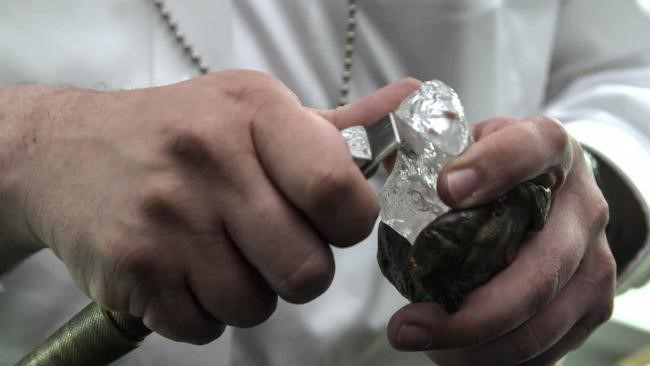
Image credit

Bruiting or Cutting

This is the method employed to give diamonds their shape. When this process is done by hand, it is called bruiting. Cutting refers to the process completed by machine. For hand-shaping a diamond, the person cutting must rely on the toughness of the stone. Diamond is the strongest material one earth, so a cutter uses a diamond to cut the diamond.

The instrument used is like a small stick with a bowl of cement at the end to hold the diamond in place. One corner of the stone is left exposed and the cutter rubs the stone with two sticks. This is known as bruiting. When using a machine, a lathe holds the diamond in position while another diamond is rubbed against it.

Sawing

If a stone shows no tetrahedral plane of weakness, cleaving won’t work. A blade made from phosphor bronze must be used which rotates at around 15,000 rpm. A laser can also cut diamonds, but this process takes many hours. Using a blade, the cutter must choose which area of the stone will become the table (the flat part of a diamond with the largest area) and which part will be suited to become the girdle (the rim with the stone with the biggest point of diameter).
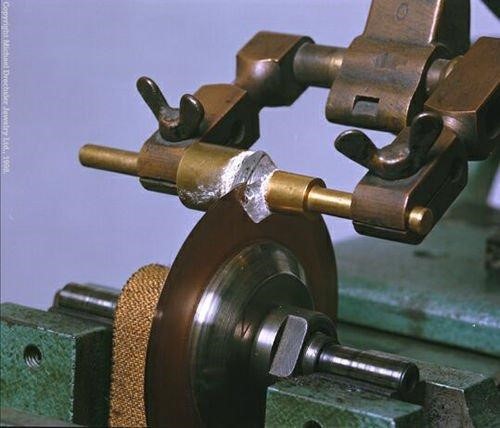
Image credit

Polishing

After the cutting process is complete, the diamond’s finished look is created by polishing. The gem is positioned onto an arm of a polishing wheel that will rotate it. The wheel is covered with a diamond powder that’s abrasive and softens and smooths the stone as it is pressed against the wheel and rotated.

How To Tell If Barley Is Bad (And What To Do About It)

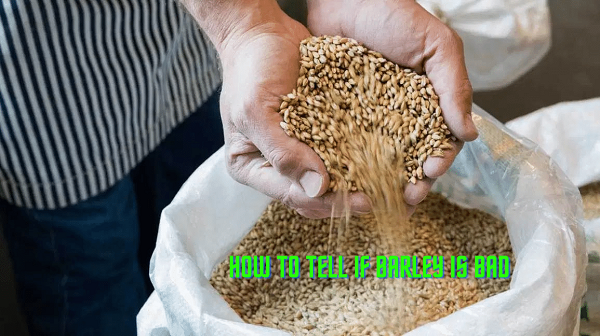
In the old days, you would have to go through a lot of trouble to figure out if your barley was spoiled or not. You had to pick out pieces that looked slightly different, check their color and smell, take a taste test and inspect them for mold. But nowadays with the help of technology, there is an easier way to tell if your barley is bad – a software analysis!