
Canva Code in Educational Settings
Digital learning tools have transformed modern classrooms worldwide. Teachers now seek platforms that combine creativity with coding education. Canva Code represents one such innovative solution for schools. The platform offers students an engaging way to learn programming concepts. However, educators often wonder about student progress tracking capabilities. The Education Guide Blog provides comprehensive insights into educational technology trends. Understanding how student work gets saved becomes crucial for effective classroom management.
Understanding Student Progress Saving Features
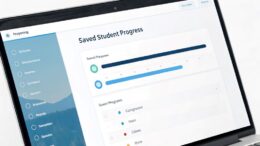
Many educators ask a fundamental question: can students save answers on a canva code ai website? This concern reflects the practical needs of classroom instruction. Teachers require reliable ways to monitor student advancement through coding lessons. Additionally, students need assurance that their hard work won’t disappear unexpectedly.
The answer depends on several factors within the Canva Code platform. Student accounts typically allow for project saving when properly configured. However, the specific saving mechanisms vary based on account types and school settings. Therefore, understanding these nuances becomes essential for successful implementation.
How Canva Code Handles Student Work Storage
Canva Code provides multiple options for preserving student projects and progress. The platform automatically saves work at regular intervals during active sessions. This feature prevents data loss from unexpected browser crashes or network interruptions. Students can also manually save their projects using dedicated save buttons.
Furthermore, the system creates project versions that allow students to revisit earlier iterations. This versioning system proves particularly valuable for coding education. Students can experiment with different approaches without fear of losing previous work. Teachers can also review student progress through these saved versions.
Account Types and Their Impact on Saving Capabilities
Different account configurations offer varying levels of saving functionality. Individual student accounts provide basic project storage capabilities. These accounts typically include limited cloud storage space for student projects. However, school-wide implementations often provide enhanced saving features.
Educational institution accounts usually offer expanded storage options. These accounts may include additional administrative controls for teachers. Moreover, they often provide better integration with existing school management systems. Therefore, schools should carefully consider their account type selection.
Setting Up Effective Progress Tracking Systems
Successful implementation requires proper initial setup and configuration. Schools must establish clear protocols for student account creation. Additionally, they need to define project naming conventions and organizational structures. These steps ensure consistent progress tracking across all classes.
Teachers should also establish regular backup procedures for important student work. While Canva Code provides reliable saving mechanisms, redundant backups offer additional security. Furthermore, clear communication with students about saving procedures prevents confusion and data loss.
Best Practices for Teachers Managing Student Progress
Effective classroom management involves several key strategies for progress monitoring. Teachers should regularly review saved student projects to assess learning outcomes. This practice helps identify students who may need additional support or challenges. Additionally, it provides valuable feedback for curriculum adjustments.
Creating structured project milestones helps students understand their progress clearly. Teachers can establish checkpoint dates when students must save specific project components. This approach ensures regular progress documentation while teaching good project management habits.

Technical Requirements and Platform Limitations
Understanding technical constraints helps set appropriate expectations for saving capabilities. Canva Code requires stable internet connections for optimal saving performance. Students working on unreliable networks may experience occasional saving delays or failures. Therefore, schools should ensure adequate network infrastructure before implementation.
Browser compatibility also affects saving functionality across different devices. The platform works best with modern, updated web browsers. Older browsers or devices may experience reduced saving reliability. According to TechCrunch, keeping educational technology updated remains crucial for optimal performance.
Troubleshooting Common Saving Issues
Despite robust saving systems, students occasionally encounter technical difficulties. Connection timeouts represent the most common cause of saving failures. When this occurs, students should refresh their browsers and attempt saving again. Additionally, clearing browser cache sometimes resolves persistent saving problems.
Teachers should maintain troubleshooting guides for common saving issues. These resources help students resolve problems independently while maintaining classroom flow. Furthermore, establishing clear protocols for reporting technical issues ensures quick problem resolution.
Integration with School Learning Management Systems
Many schools seek integration between Canva Code and existing educational platforms. This integration can enhance progress tracking capabilities significantly. However, the level of integration varies based on the specific learning management system used.
Some platforms offer direct integration options that automatically sync student progress. Others require manual export and import procedures for progress tracking. Therefore, schools should evaluate integration capabilities before full implementation. The EdWeek resource provides valuable insights into educational technology integration strategies.
Future Developments in Student Progress Tracking
Educational technology continues evolving rapidly with new features and capabilities. Canva Code regularly updates its platform to address user needs and feedback. Future updates may include enhanced progress tracking tools and improved saving mechanisms.
Artificial intelligence integration may also enhance progress monitoring capabilities. These developments could provide more detailed insights into student learning patterns. However, schools should focus on current capabilities while planning for future enhancements.
Conclusion
Canva Code offers solid foundations for saving student progress in educational settings. The platform provides automatic saving features that protect student work effectively. However, successful implementation requires proper setup, clear protocols, and regular monitoring by educators.
Students can indeed save their work on Canva Code when accounts are properly configured. Teachers must understand the platform’s capabilities and limitations to maximize educational benefits. Additionally, establishing clear saving procedures ensures consistent progress tracking across all classroom activities.
Schools considering Canva Code implementation should evaluate their technical infrastructure and account needs carefully. Proper planning and setup create optimal conditions for student success and progress monitoring.
Frequently Asked Questions
- Can students access their saved projects from different devices? Yes, students can access their saved Canva Code projects from any device with internet access. They simply need to log into their accounts using their credentials. However, they should ensure they’re using compatible browsers for optimal functionality.
- How often does Canva Code automatically save student work? Canva Code typically auto-saves student projects every few minutes during active editing sessions. The exact interval may vary based on server load and connection stability. Students should still manually save important milestones to ensure data security.
- What happens if a student forgets to save their project before closing the browser? Recent versions of Canva Code include recovery features that may restore unsaved work. However, students shouldn’t rely entirely on these features. Teachers should emphasize regular manual saving as good practice for project management.
- Can teachers view and download student projects for assessment purposes? Yes, teachers with appropriate permissions can access student projects for review and assessment. They can typically view project history and download completed work. The specific capabilities depend on the account type and administrative settings.
- Is there a limit to how many projects students can save in their accounts? Storage limits vary based on account type and school subscription levels. Individual accounts may have modest storage limits, while educational institution accounts often provide expanded capacity. Schools should verify storage allowances when planning their implementation.
Read More: