

When it comes to your dog’s well-being, choosing the right bed isn’t just about comfort—it’s about long-term health. Hip dysplasia, a common condition in dogs, can be alleviated and even prevented with the right sleeping setup. The market is overflowing with options, but finding the ideal bed to suit your dog’s unique needs requires informed decision-making. Whether you have a puppy predisposed to joint issues or a senior dog already showing symptoms, selecting the right bed is crucial. For further guidance, explore Dogguides.
Understanding Hip Dysplasia in Dogs
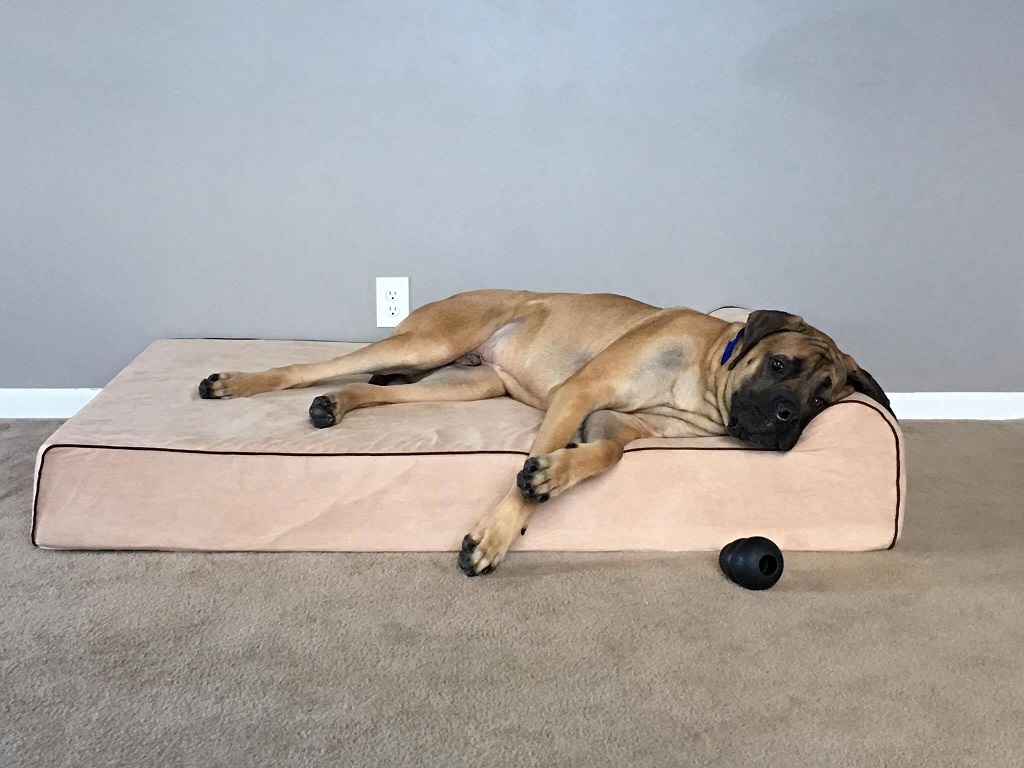
Hip dysplasia is a genetic condition where the hip joint doesn’t develop properly, causing discomfort and eventual arthritis. Large breeds like German Shepherds, Labradors, and Golden Retrievers are particularly at risk, though any dog can develop it. Key factors influencing the condition include:
- Genetics: Certain breeds are predisposed to hip dysplasia.
- Weight: Overweight dogs experience more joint stress.
- Activity Level: High-impact activities can exacerbate joint wear.
Preventing or alleviating the symptoms involves managing weight, ensuring low-impact exercise, and—of course—providing the best supportive dog bed.
Read More Also: How to Perform a Skateboard Backside 180 Shove-It
The Importance of Orthopedic Dog Beds
Orthopedic beds are specially designed to support dogs’ joints and evenly distribute weight, reducing stress on the hips. These beds are typically made with high-density memory foam or other supportive materials. But how do they help with hip dysplasia prevention?
- Pressure Relief: High-quality foam molds to the dog’s body, relieving pressure points.
- Spinal Alignment: Proper support helps maintain healthy posture, especially for large or aging dogs.
- Durability: Orthopedic beds last longer, maintaining their supportive properties over time.
When shopping for orthopedic options, consider the long-term benefits over short-term costs.
Why Rectangular Dog Beds are a Great Option
For dogs prone to hip dysplasia, rectangular dog beds offer an excellent choice. Their shape accommodates natural stretching positions, giving your pet ample space to relax without straining their joints.
Key features of rectangular beds include:
- Ample Space: They allow your dog to stretch or curl up as needed.
- Versatility: Can fit snugly in corners, crates, or open spaces.
- Supportive Materials: Often made with high-quality foams or padding that minimize joint stress.
For both active dogs and seniors with limited mobility, a well-padded rectangular bed can offer significant relief.
Materials to Look For in a Dog Bed
The bed’s material significantly impacts comfort and durability. Here’s what to prioritize:
- Memory Foam: Ideal for support and pressure relief.
- Cooling Gel Foam: Keeps dogs cool, particularly useful for breeds with thick coats.
- Waterproof Liners: Protect the bed from accidents or spills.
- Non-Slip Bases: Prevent the bed from sliding on hard floors, ensuring stability.
Opt for hypoallergenic fabrics to minimize skin irritations, especially for dogs with sensitive skin.
Choosing the Right Size
Size matters! A bed that’s too small forces your dog into cramped positions, which can aggravate joint pain. Here’s how to select the correct size:
- Measure Your Dog: Add extra space for stretching—about 8–12 inches longer than their length.
- Consider Growth: For puppies, choose a bed that accommodates their adult size.
- Check Weight Limits: Ensure the bed can support your dog’s weight without sagging.
When in doubt, size up. It’s better to have more room than less.
Additional Features to Consider
Modern dog beds come with features designed to enhance comfort and functionality. Consider these add-ons:
- Bolsters: Provide extra support for the head and neck.
- Heated Beds: Beneficial for cold climates or dogs with arthritis.
- Removable Covers: Simplifies cleaning and maintenance.
- Portable Options: Great for traveling dogs who need consistent support.
DIY Dog Bed Options
If you prefer a hands-on approach, creating your own supportive bed can be a cost-effective solution. Materials like memory foam mattresses, old blankets, and waterproof covers can be repurposed into custom beds. Just ensure the base is firm enough to support your dog’s joints.
Maintaining Your Dog’s Bed
A well-maintained bed ensures long-lasting comfort. Here’s how to care for it:
- Clean Regularly: Wash covers weekly to eliminate dirt, allergens, and odors.
- Inspect for Wear: Replace foam or padding that has lost its firmness.
- Rotate Locations: Move the bed to different rooms to encourage your dog’s mobility.
FAQs
What type of bed is best for dogs with hip dysplasia?
Orthopedic beds with memory foam are the best option for preventing or alleviating symptoms of hip dysplasia.
Can a dog bed prevent hip dysplasia?
While a bed cannot prevent genetic conditions, a supportive sleeping surface reduces stress on joints, helping to mitigate risk factors.
How often should I replace my dog’s bed?
Replace a dog bed every 1–3 years, depending on wear and tear. High-quality beds with removable covers may last longer.
Are heated beds safe for dogs with hip dysplasia?
Yes, heated beds can soothe aching joints, but ensure they don’t overheat and monitor your dog for comfort.
Do puppies need orthopedic beds?
Yes, providing a supportive bed early can promote healthy joint development and reduce the risk of future issues.
Can I use a human memory foam mattress for my dog?
Absolutely! Cut it to size and cover it with a waterproof liner for an affordable orthopedic bed alternative.
Conclusion
Choosing the right dog bed is a critical step in preventing and managing hip dysplasia. From memory foam options to rectangular dog beds, understanding your dog’s unique needs is essential. Invest in a high-quality, supportive bed that prioritizes their health and comfort.