
Powering up devices on the road is a major convenience for truck owners. Whether you need to charge your laptop, run a mini-fridge, or even keep a microwave going, having the right inverter can make life on the road much easier. However, finding the best inverter for your truck isn’t always simple. Here, we’ll break down the types of inverters, factors to consider, and how to choose one that fits your needs and vehicle capacity.
Understanding Inverter Types and Truck Power Needs
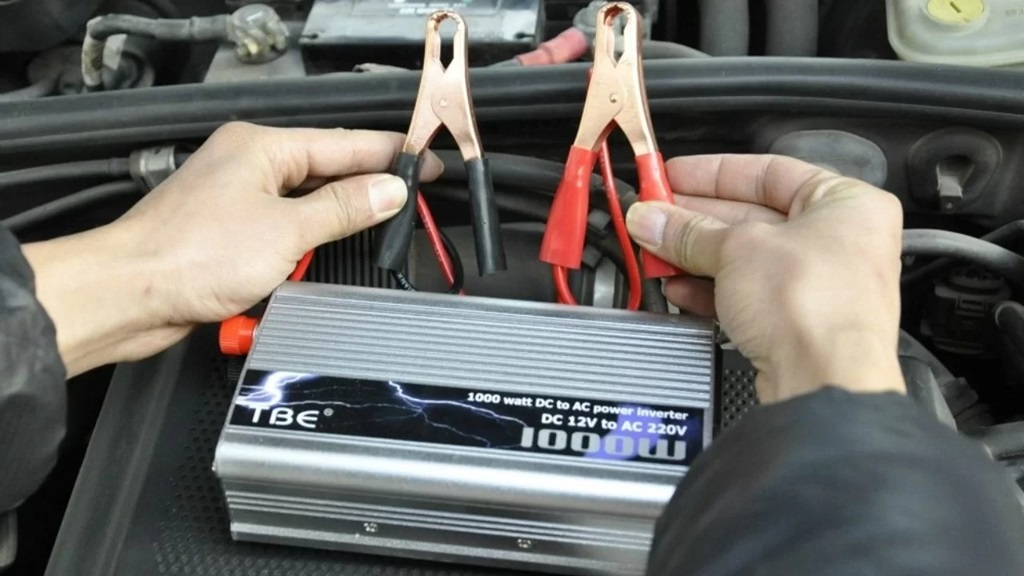
An inverter converts your truck’s DC (direct current) power into AC (alternating current) power, allowing you to use household items in your vehicle. Truck inverters come in various types and power ranges, so selecting one depends on your specific power needs.
- Pure Sine Wave Inverters – These produce power similar to the electricity you’d get from a standard outlet. They’re efficient but tend to cost more. Pure sine wave inverters are ideal for sensitive devices like laptops, medical equipment, or TVs, as they provide smooth, consistent power.
- Modified Sine Wave Inverters – Modified sine wave inverters are more affordable and can power most devices. However, they may cause issues with sensitive electronics, like some laptops or medical devices, due to a less consistent power output.
- Inverter Size (Power Output) – The size of the inverter is crucial and is typically measured in watts. Small inverters can handle basic electronics, while larger ones power bigger appliances. Choose based on what you need to run while on the road.
When selecting an inverter, match its wattage to your power needs, but avoid overloading your truck’s electrical system. An underpowered inverter won’t support your devices, while an oversized one can strain your vehicle’s battery.
How to Choose the Right Inverter Based on Truck Capacity
To make an informed choice, consider your truck’s battery size, alternator capacity, and the types of appliances you’ll be running. Here’s a breakdown of key aspects to keep in mind:
- Battery and Alternator Capacity: Your truck’s battery and alternator capacity are essential when choosing an inverter. For example, if your alternator can handle 150 amps, using a high-wattage inverter may drain your battery quickly or put extra stress on the alternator. Explore Tradecarhub for more tips on matching your inverter to your truck’s power.
- Power Requirements of Devices: If you only need to charge small electronics, a smaller inverter, around 300-500 watts, is usually sufficient. However, if you plan to use a microwave or other high-power devices, look for a 1,000-2,000 watt inverter.
- Safety Features: Look for inverters with built-in safety features such as overload protection, short-circuit protection, and temperature control to prevent accidents or equipment damage.
Factors to Consider When Choosing an Inverter for Your Truck
-
Usage Needs
Think about what devices you need to power on the go. For example, for occasional phone or laptop charging, a small inverter will suffice. However, if you’re a long-haul driver who wants to keep a mini-fridge running, cook food, or use entertainment devices, a larger inverter is necessary.
-
Budget
Inverter prices vary based on power output and brand. Higher-quality inverters, like pure sine wave models, may cost more but provide safer power for sensitive electronics. Investing in a durable, high-quality inverter can save you money in the long run, as cheaper models might need frequent replacements.
-
Installation and Compatibility
Some inverters require professional installation, especially high-wattage models that need direct battery connections. Before buying, consider if you’re comfortable installing it yourself or if you’ll need a professional. Also, ensure that the inverter is compatible with your truck’s power system and won’t overtax your electrical setup.
Related: Can You Put Solar Panels on a Campervan?
Additional Considerations
If you’re asking, how big of an inverter can my truck handle?, keep in mind that your alternator size and battery are major limitations. The bigger the inverter, the more power it demands, potentially draining your battery faster than it can recharge. It’s best to calculate the power requirements of your devices and consult your truck’s manual or a professional if you’re unsure of what it can handle.
Recommended Inverter Wattage by Usage Type
| Usage Type | Recommended Wattage |
| Phone charging | 100-200 watts |
| Laptop or camera charging | 300-500 watts |
| Small appliances (blender) | 500-1,000 watts |
| Mini-fridge | 1,000-1,500 watts |
| Microwave, power tools | 1,500-2,000+ watts |
Choosing an inverter isn’t just about power. Safety, budget, and the limitations of your truck’s power system are all key factors. By carefully considering these aspects, you’ll find the best inverter for your needs, keeping your devices running smoothly and safely on the road.