
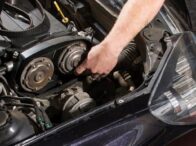
Engine knocking is one of the most concerning sounds a car owner can hear. This metallic pinging or knocking noise from under the hood signals potential problems that require immediate attention. Understanding what causes engine knock and knowing how to address it can save you from costly repairs and keep your vehicle running smoothly. When dealing with engine issues, consulting with professionals like Automotive Smart Solutions can provide expert guidance for proper diagnosis and repair.
Engine knock occurs when fuel burns unevenly in your engine’s cylinders. Instead of burning smoothly, the air-fuel mixture explodes in multiple places at once. This creates shock waves that produce the characteristic knocking sound. The problem can range from minor to severe, depending on the underlying cause.
Most engine knocking issues fall under basic vehicle repairing tasks that mechanics encounter regularly. However, ignoring these sounds can lead to serious engine damage over time. Therefore, understanding the root causes helps you take appropriate action quickly.
Common Causes of Engine Knocking
Several factors can trigger engine knock in your vehicle. Identifying the specific cause helps determine the best solution for your situation.
Low-Quality Fuel
Using fuel with insufficient octane rating is a primary cause of engine knock. Your engine requires a specific octane level to function properly. When you use lower-grade fuel than recommended, it ignites too easily under pressure. This premature ignition creates the knocking sound you hear.
Additionally, contaminated or old fuel can cause similar problems. Fuel that sits too long loses its effectiveness and may contain water or debris. These contaminants disrupt the normal combustion process and trigger knocking.
Carbon Buildup
Over time, carbon deposits accumulate on engine components like pistons, valves, and cylinder heads. This buildup reduces the effective volume of the combustion chamber. The smaller space increases compression ratios beyond designed specifications. Higher compression leads to premature fuel ignition and engine knock.
Furthermore, carbon deposits create hot spots in the combustion chamber. These areas ignite fuel before the spark plug fires, causing irregular burning patterns that produce knocking sounds.
Incorrect Ignition Timing
Modern engines rely on precise timing for optimal performance. When ignition timing is off, the spark plug fires too early or too late in the combustion cycle. Early ignition causes fuel to burn before the piston reaches the proper position. This mistimed combustion creates pressure waves that result in knocking.
Engine Overheating
Excessive engine temperatures can trigger knock conditions. Hot engines are more prone to pre-ignition because high temperatures make fuel more volatile. When your cooling system fails to maintain proper temperatures, the risk of engine knock increases significantly.
Moreover, overheating can warp engine components and affect compression ratios. These changes alter the combustion environment and make knocking more likely to occur.
Immediate Steps to Take When You Hear Engine Knock
When you first notice engine knocking, taking quick action can prevent further damage to your vehicle.
Stop Driving Immediately
The moment you hear persistent knocking sounds, pull over safely and turn off the engine. Continuing to drive with engine knock can cause severe internal damage. The repeated shock waves from improper combustion can crack pistons, damage bearings, or destroy cylinder walls.
However, if you must continue driving briefly to reach safety, reduce your speed and avoid acceleration. Keep engine RPMs as low as possible until you can stop completely.
Check Your Fuel Type
Verify that you’re using the correct octane rating for your vehicle. Check your owner’s manual or fuel cap for the recommended octane level. If you recently filled up with lower-grade fuel, this might be the cause of your knocking problem.
Additionally, consider where you purchased your fuel. Some gas stations may have contaminated fuel or inconsistent octane ratings that can trigger engine knock.
Inspect Cooling System
Check your engine temperature gauge and coolant levels. If the engine is running hot, allow it to cool completely before investigating further. Low coolant levels or cooling system failures often contribute to engine knock problems.
Therefore, addressing overheating issues should be your first priority before tackling other potential causes.
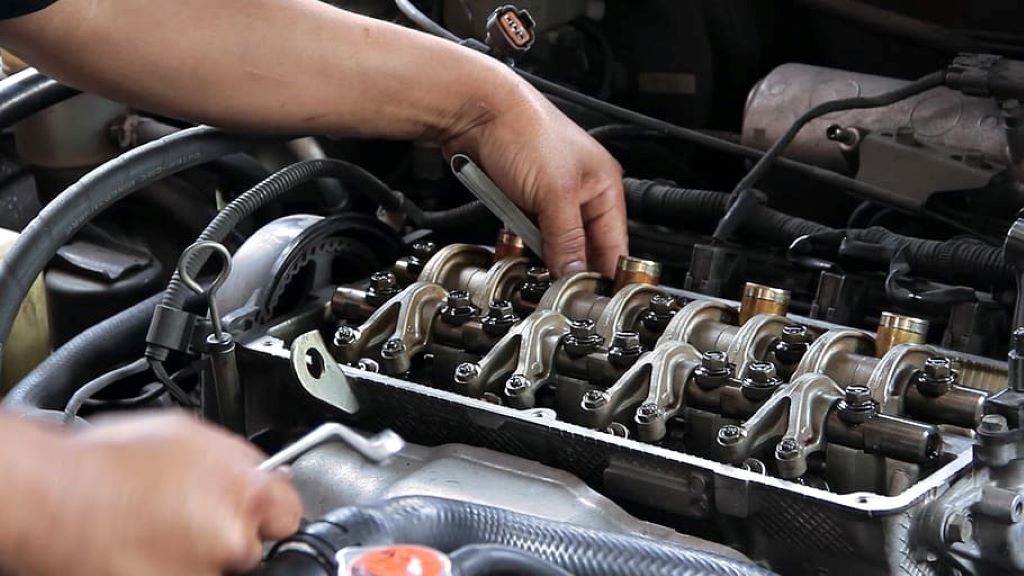
Professional Diagnosis and Repair Options
While some engine knock causes are obvious, others require professional expertise to identify and resolve properly.
Diagnostic Testing
Modern vehicles have sophisticated computer systems that monitor engine performance. Professional mechanics use diagnostic scanners to read error codes and identify specific problems. These tools can detect issues with ignition timing, fuel mixture, and sensor malfunctions that contribute to engine knock.
Furthermore, experienced technicians can perform physical inspections to check for carbon buildup, worn components, or other mechanical issues. This comprehensive approach ensures accurate diagnosis and appropriate repairs.
Fuel System Cleaning
If carbon buildup is causing your engine knock, professional fuel system cleaning can help. This service removes deposits from injectors, valves, and combustion chambers. Clean components allow for proper fuel flow and combustion, eliminating many knock-related problems.
Additionally, regular fuel system maintenance prevents future carbon accumulation and keeps your engine running smoothly. Most experts recommend this service every 30,000 to 50,000 miles, depending on driving conditions.
Timing Adjustments
Engines with adjustable timing may benefit from professional recalibration. Mechanics can use specialized equipment to set ignition timing to manufacturer specifications. This precise adjustment eliminates timing-related knock issues and optimizes engine performance.
However, many modern engines have computer-controlled timing that cannot be manually adjusted. In these cases, faulty sensors or control modules may need replacement to restore proper timing.
Prevention Strategies for Engine Knock
Preventing engine knock is more cost-effective than repairing damage after it occurs. Several maintenance practices can help you avoid this problem entirely.
Use Quality Fuel
Always use the octane rating recommended by your vehicle manufacturer. Higher octane fuel resists premature ignition better than lower grades. While premium fuel costs more, it can prevent expensive engine repairs in knock-prone vehicles.
Moreover, purchase fuel from reputable gas stations with high turnover rates. Fresh fuel with proper additives helps keep your engine clean and running smoothly. According to Consumer Reports, choosing top-tier gasoline brands can significantly improve engine performance and longevity.
Regular Maintenance Schedule
Following your vehicle’s recommended maintenance schedule prevents many knock-causing problems. Regular oil changes keep engine components lubricated and cool. Clean air filters ensure proper air-fuel mixture ratios that reduce knock probability.
Additionally, scheduled tune-ups address potential issues before they become serious problems. Replacing spark plugs, filters, and fluids at recommended intervals maintains optimal engine performance.
Monitor Engine Temperature
Keep an eye on your temperature gauge during daily driving. If you notice temperatures running higher than normal, investigate the cooling system immediately. Simple issues like low coolant levels or clogged radiators are easy to fix when caught early.
Therefore, addressing cooling problems quickly prevents the overheating conditions that often trigger engine knock.
When to Seek Professional Help
Some engine knock situations require immediate professional attention to prevent catastrophic damage.
Persistent Knocking Under All Conditions
If your engine knocks regardless of fuel type, driving conditions, or engine temperature, you need professional diagnosis. This pattern suggests internal engine problems that require expert repair. Continuing to drive under these conditions risks complete engine failure.
Knocking Accompanied by Other Symptoms
Engine knock combined with symptoms like rough idling, power loss, or unusual exhaust smoke indicates serious problems. These multiple symptoms often point to internal engine damage that requires immediate professional attention.
Furthermore, any knocking that occurs during normal driving conditions rather than just acceleration needs prompt evaluation. This pattern suggests advanced problems that DIY solutions cannot address.
Cost Considerations for Engine Knock Repairs
Understanding potential repair costs helps you make informed decisions about addressing engine knock problems.
Simple solutions like using higher octane fuel or cleaning fuel injectors typically cost under $200. However, major repairs involving internal engine components can cost thousands of dollars. Early intervention usually results in lower repair costs and better outcomes.
Additionally, some insurance policies may cover engine repairs if the damage results from covered incidents like accidents or vandalism. Check your policy details and consult with your insurance provider about potential coverage.
Conclusion
Engine knocking is a serious problem that requires prompt attention to prevent costly damage. The causes range from simple fuel quality issues to complex internal engine problems. By understanding what triggers engine knock and taking appropriate action, you can protect your investment and ensure reliable transportation. Remember that professional diagnosis is often necessary for persistent problems, and prevention through proper maintenance is always more cost-effective than major repairs.
Frequently Asked Questions
What does engine knock sound like? Engine knock produces a metallic pinging, knocking, or rattling sound that typically occurs during acceleration. The noise comes from the engine compartment and may vary in intensity depending on driving conditions.
Can I drive my car if the engine is knocking? You should avoid driving with engine knock whenever possible. If you must drive, keep speeds low and avoid acceleration. Prolonged driving with engine knock can cause severe internal damage requiring expensive repairs.
Will higher octane fuel stop engine knock immediately? Higher octane fuel can eliminate knock caused by low fuel quality, but results may not be immediate. You may need to drive through the current tank of fuel before seeing improvement. Other causes require different solutions.
How much does it cost to fix engine knock? Repair costs vary widely depending on the cause. Simple solutions like fuel additives cost under $50, while major internal repairs can exceed $5,000. Early diagnosis and intervention typically result in lower costs.
Is engine knock covered by car warranties? Most manufacturer warranties cover engine knock if it results from defective parts or manufacturing issues. However, knock caused by poor maintenance or using incorrect fuel may not be covered. Check your specific warranty terms for details.
Read More:
Choosing the Right Inverter for Your Truck