You’ve got your saddle set up, your hunting spots scouted, and the Texas season is just around the corner. But there’s one piece of gear that can make or break your hunt—your rope. You want something that won’t snap under pressure but also won’t drain your wallet. The problem is that most affordable options feel flimsy, and the premium stuff costs a small fortune. You need a middle ground. Let’s cut through the marketing noise and figure out exactly how to choose a budget rappel rope Texas that keeps you safe without emptying your account.
What Makes a Rappel Rope Suitable for Texas Saddle Hunting?
Texas Terrain Demands Specific Rope Properties
Texas isn’t one landscape—it’s a patchwork of Hill Country cedar breaks, East Texas pine thickets, South Texas brush country, and West Texas canyons. Your rope needs to handle abrasion from rough bark in the Hill Country and withstand the sticky sap of East Texas pines. A good budget option must offer at least 2,500 pounds of breaking strength to account for dynamic loads during a fall or a sudden jerk from your tether.
Why Static Ropes Work Best for Rappelling from Saddles
Static ropes are the go-to for saddle hunting rappels because they don’t stretch significantly under load. This makes controlled descents easier and safer. Dynamic climbing ropes stretch too much, making it hard to maintain tension on your friction hitch. For Texas hunters who often need to rappel 15–30 feet from a tree, a static or low-stretch rope is non-negotiable.
The Ideal Diameter for Handling and Durability
Most saddle hunters prefer a rope diameter between 8 mm and 10 mm. An 8 mm rope is lighter and packs smaller, making it ideal for mobile hunts where you cover miles. A 9.5 mm or 10 mm rope gives you better grip with gloved hands and lasts longer against the abrasive bark of live oaks and mesquite. If you’re on a budget, 9 mm strikes the perfect balance between weight, cost, and durability.
Why Can’t You Just Use Any Cheap Climbing Rope?
Strength Ratings Are Not All Created Equal
A cheap rope from a hardware store might claim a high breaking strength, but it likely lacks the consistent manufacturing standards of climbing-specific ropes. Climbing ropes are certified to UIAA or NFPA standards, meaning every meter meets strict quality controls. General-purpose ropes can have weak spots due to inconsistent weaving, which is a risk you can’t afford when dangling 20 feet above the Texas dirt.
Sheath Construction Affects Longevity in Harsh Conditions
The outer sheath protects the inner core fibers. Budget ropes often skimp on sheath thickness, leading to faster wear when rubbing against bark or metal carabiners. Look for a rope with a sheath percentage of at least 33%. This ensures the rope survives repeated use without exposing the core, which is critical if you hunt rough-barked trees like hackberry or juniper.
Water Resistance Matters When Hunting in Texas Weather
Texas weather is unpredictable—you might start a hunt in dry 90-degree heat and end in a sudden thunderstorm. Ropes that absorb water become heavier, harder to handle, and lose strength. Budget ropes that are dry-treated or made from nylon with a water-repellent coating give you an edge. If a rope doesn’t mention water resistance, assume it will soak up moisture like a sponge.
How Much Should You Spend on a Budget Rappel Rope?
Realistic Price Ranges for Quality Ropes
You can find decent 8 mm to 9.5 mm rappel ropes for between $45 and $80 for a 30-foot section. Anything under $40 should raise red flags unless it’s a reputable brand running a sale. Ropes above $100 are premium options with extra features like enhanced abrasion resistance or ultra-low stretch. For most Texas hunters, spending around $60 gets you a rope that lasts two to three seasons with proper care.
Calculating Cost Per Foot vs. Value Over Time
A 30-foot rope at $60 works out to $2 per foot. If you hunt 15 weekends per year, that’s about $4 per hunting day for the first year. A cheaper $30 rope might fail after one season due to sheath wear, costing you more in the long run. Always calculate cost per season rather than cost per purchase. It’s smarter to invest a little more upfront for longevity.
Where to Find Deals Without Sacrificing Safety
Check online retailers that specialize in arborist or rescue gear, as they often sell bulk lengths at lower per-foot prices. Local climbing gyms in cities like Austin or Dallas sometimes sell used ropes that have been retired from gym use—these can be solid budget options if the sheath is still intact. Just avoid any rope that shows visible fuzz, flat spots, or discoloration from chemical exposure.
Which Rope Features Are Non-Negotiable for Safety?
Minimum Breaking Strength and Safety Margins
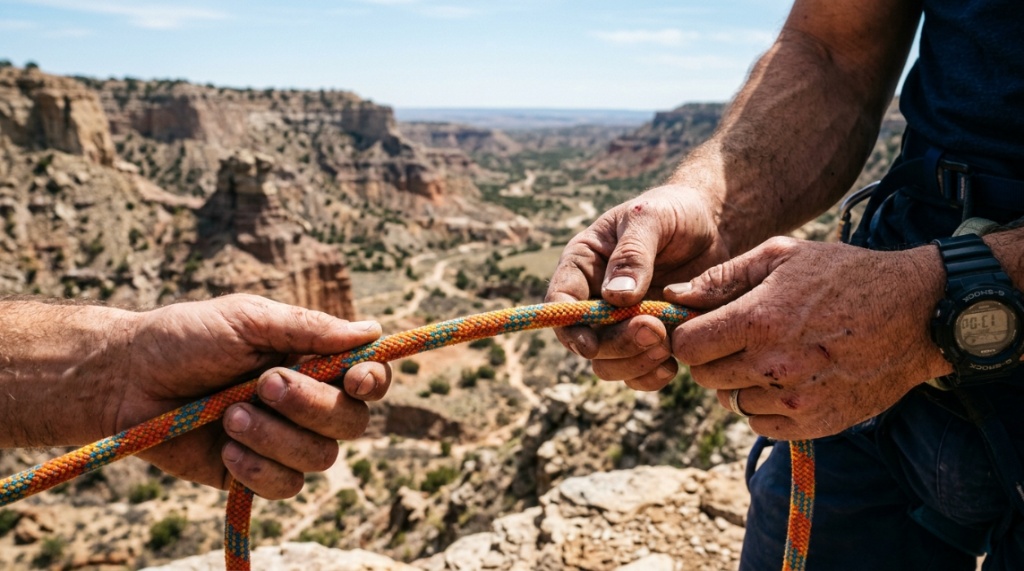
Always choose a rope with a minimum breaking strength of 2,500 pounds for rappelling. This provides a 5:1 safety margin for a 500-pound load (hunter plus gear). Some budget ropes advertise lower strengths like 1,800 pounds—these are fine for tethering but not for rappelling. Check the manufacturer’s spec sheet before buying.
Certifications That Guarantee Quality
Look for ropes certified to UIAA 101 (climbing) or NFPA 1983 (rescue). These certifications involve third-party testing for strength, elongation, and durability. A rope without certification might still be safe, but you’re trusting the manufacturer’s word alone. On a budget, certification gives you peace of mind without paying premium prices.
The Role of Friction Hitches in Rappel Safety
Your rope must work smoothly with common friction hitches like the Prusik or the Michoacán. A rope that is too stiff or too slick can cause your hitch to slip or grab unevenly. Test your hitch on a short section of rope before committing to rappelling. If the hitch doesn’t bite consistently, choose a different rope—no amount of budget savings is worth the risk.
How Do You Test a Rappel Rope Before Buying?
Visual Inspection Checklist
Examine the rope for consistent weave, no loose fibers, and uniform diameter. Run your fingers along the entire length to feel for lumps or flat spots that indicate core damage. Hold the rope up to light—if you see light through the sheath, the sheath is too thin for heavy use.
Field Testing in a Controlled Environment
Set up a low rappel of 5 to 6 feet from a sturdy branch or beam. Apply your full body weight and check how the rope feels. Does it compress too much? Does the friction hitch bite smoothly? If the rope feels too slick or too rough, it’s not the right match for your gear. This test takes 10 minutes and can save you from a dangerous situation in the field.
Checking for Compatibility with Your Descender
Not all descenders work well with all rope diameters. A 10 mm rope might bind in a device designed for 8 mm to 9 mm. Test your descender with the new rope at home before taking it into the woods. If you’re using a figure-8 or a tubular device, check the manufacturer’s diameter range. Mismatched gear is one of the most common causes of rappel accidents.
What Are the Best Rope Materials for Budget-Conscious Hunters?
Nylon vs. Polyester vs. Dyneema
| Material | Pros | Cons | Best For |
|---|---|---|---|
| Nylon | Good shock absorption, affordable, widely available | Absorbs water, loses strength when wet | Dry climate hunts, budget builds |
| Polyester | Excellent UV resistance, low water absorption | Stiffer than nylon, higher cost | Sun-exposed Texas terrain |
| Dyneema | Ultra-light, strong, zero water absorption | Expensive, poor knot holding, slick surface | Ultra-mobile hunters with higher budgets |
For most budget-minded Texas hunters, a nylon rope with a polyester sheath offers the best value. You get the strength of nylon with the UV and water resistance of polyester. This combination is common in mid-range climbing ropes and costs significantly less than full Dyneema options.
Why Nylon Sheath Ropes Are Common but Limited
Full nylon ropes are cheap and easy to find, but they degrade faster under constant sun exposure. If you hunt in West Texas or the Hill Country where UV intensity is high, the sheath can become brittle within a year. A budget rope with a polyester blend sheath will outlast a pure nylon rope by two to three seasons in those conditions.
When Dyneema Makes Sense Despite the Cost
If you’re a mobile hunter who hikes miles into public land in East Texas, the weight savings of Dyneema can be worth the extra cost. A 30-foot Dyneema rope weighs roughly half as much as a nylon rope of the same length. However, Dyneema doesn’t hold knots as well, so you may need to use specialized hitches or knots like the double fisherman’s bend.
Can You Use Arborist Rope for Rappel Saddle Hunting?
Similarities Between Arborist and Climbing Rope
Arborist ropes and climbing ropes share many design features—both are static or low-stretch, have durable sheaths, and are built for controlled descents. Arborist ropes are often cheaper per foot because they’re sold in bulk for professional tree care. Many Texas saddle hunters use arborist rope successfully for rappelling.
Key Differences You Must Know
Arborist ropes are designed for work positioning, not for impact loading during a fall. They have lower elongation rates but also less shock absorption. If you’re rappelling from a static anchor like a tree tether, this is usually fine. But if you ever plan to climb with the rope under dynamic load, stick to certified climbing rope. For rappelling only, arborist rope is a safe budget hack.
When setting up your anchor systems or rigging gear, make sure you also understand wire rope crimps if you are working with wire-core setups.
Recommended Arborist Ropes for Budget Hunting
Look for ropes like the Yale 11.7 mm (often sold by the foot) or the Samson Arbor-Plex. These offer good abrasion resistance and come at a lower cost per foot than climbing-specific brands. Just ensure the rope you choose is rated at least 2,500 pounds and has a sheath percentage of 35% or higher.
How Do You Maintain a Budget Rappel Rope to Extend Its Life?
Cleaning Methods That Don’t Damage Fibers
Wash your rope in cold water with mild soap designed for technical gear. Avoid bleach, fabric softeners, and hot water—they weaken nylon fibers. Use a mesh laundry bag to prevent tangling. Air dry only, away from direct sunlight. A well-maintained budget rope can last three to four years with regular care.
Proper Storage to Avoid UV Damage
Texas sun is brutal on ropes. Store your rope in a stuff sack or rope bag when not in use, preferably inside your vehicle or gear closet. Never leave it draped over a fence or hanging in direct sunlight. UV degradation happens even on cloudy days, so keep your rope covered.
When to Retire a Rope (Even a Budget One)
Replace your rope if you notice any of these signs: visible core fibers poking through the sheath, a flat spot that won’t round out, stiffness that doesn’t resolve with cleaning, or if the rope has been used for a hard fall or shock load. Budget ropes need replacement sooner than premium ones, but safety is never the place to cut corners.
If you’re looking for a reliable option that balances cost and performance, check out this budget rappel rope Texas guide that covers specific brands and models that work well for the unique demands of Lone Star State hunting.
Which Accessories Do You Need Alongside a Budget Rope?
The Minimum Gear List for Safe Rappelling
- Friction hitch cord (5–6 feet of 6 mm or 7 mm accessory cord)
- Two locking carabiners (rated for climbing, not hardware store carabiners)
- A belay device or figure-8 descender (compatible with your rope diameter)
- Personal anchor system (two-foot daisy chain or adjustable tether)
Why a Friction Hitch Is Critical on a Budget
A friction hitch is your primary backup if your descender fails. Even a budget rope can be safe if paired with a properly tied Prusik or Michoacán hitch. Practice tying these hitches at home until you can do it blindfolded. This small investment in time dramatically increases your safety margin without costing extra money.
How a Rope Bag Protects Your Investment
A simple rope bag with a built-in tarp keeps your rope clean and tangle-free. It also prevents UV exposure during transport. You can find budget rope bags for under $20. This is a low-cost way to double the lifespan of your budget rappel rope.
Where Do Texas Hunters Usually Buy Budget Rappel Rope?
Online Retailers with Competitive Pricing
Websites like REI, Backcountry, and specialty climbing shops often have sales on last season’s rope colors. Arborist supply stores like Sherrill Tree or Wesspur sell rope by the foot, allowing you to buy exactly the length you need. Buying by the foot is often the cheapest way to get good rope for Texas hunting.
Local Texas Outdoors Stores
Stores like Academy Sports + Outdoors sometimes stock basic climbing rope in their hunting section, but selection is limited. Specialty shops in Austin (REI Austin, Climb Now) or Dallas (Summit Climbing) carry certified ropes and can offer advice. Supporting local stores also lets you handle the rope before buying.
Online Marketplaces and Caveats
Amazon and eBay have good deals, but be cautious. Counterfeit climbing gear is a real problem. Only buy from reputable sellers with verified reviews. Avoid ropes that don’t list a manufacturer, certification, or specific breaking strength. If the price seems too good to be true, it probably is.
Frequently Asked Questions
Can I use a 7 mm rope for rappelling in Texas?
7 mm ropes are too thin for safe rappelling on their own. They lack the strength and abrasion resistance needed. Use them only as friction hitch cords, never as your main rappel line.
How often should I replace a budget rappel rope?
Replace your rope every 2–3 years if you hunt frequently, or immediately if you inspect it and find damage like core exposure or flat spots. Budget ropes wear faster than premium ones, so stay vigilant.
Is it safe to rappel on a rope rated for 1,800 pounds?
No. A 1,800-pound breaking strength gives a safety margin of only 3:1 for a 600-pound load (hunter plus gear). This is below the recommended 5:1 safety margin. Always choose a rope with at least 2,500 pounds breaking strength for rappelling.
Can I splice a budget rappel rope instead of tying knots?
Splicing is possible on some double-braid ropes, but it requires specific tools and skill. For most budget hunters, tying a figure-8 loop is simpler and just as safe. Splicing can weaken the rope if done improperly.
What length of rope do I need for Texas saddle hunting?
Most Texas trees are 15–25 feet tall, where you’ll hang your saddle. A 30-foot rope gives you enough length to rappel from high branches while still having extra for knots and a backup loop. Rarely will you need more than 40 feet.