

The metaverse is transforming how we engage with technology, and social audio is emerging as one of its most powerful integration points. From creating new social experiences to bridging communication gaps, the synergy between the metaverse and social audio platforms is reshaping the way we interact. Social audio apps are no longer limited to Clubhouse-style interactions—they’re rapidly evolving into immersive experiences that offer unparalleled engagement and creativity. To explore this dynamic shift, we’ll unpack the intersection of these technologies and examine their potential to revolutionize digital communication. Let’s dive in to see how metaverse integration with social audio experiences is taking center stage.
For brands and developers eager to embrace this digital evolution, check out Hangoutgraphics to explore cutting-edge insights and resources that redefine creative possibilities in this space.
The Metaverse: A Digital Frontier Redefining Connection
The metaverse, a virtual space where the physical and digital worlds merge, is no longer a futuristic dream. With advancements in AR, VR, and blockchain technologies, the metaverse is poised to generate nearly $5 trillion in global impact by 2030, according to a report by McKinsey. This expansive virtual environment offers new ways to connect, communicate, and create, setting the stage for profound transformations across industries.
Within this context, social audio emerges as a unique integration point, offering authentic, voice-driven interactions. Unlike text or video-based platforms, audio is intimate and versatile, allowing users to communicate in real-time while multitasking. When combined with the immersive qualities of the metaverse, the potential for enhanced social connections becomes limitless. For more insights, click on https://hangoutgraphics.com/blog/apps-similar-to-clubhouse/ to explore apps similar to Clubhouse and other emerging platforms.
Why Social Audio Experiences Stand Out in the Metaverse
Social audio apps like Clubhouse, Twitter Spaces, and Discord have already proven the demand for voice-first interactions. They tap into an innate human desire for connection, fostering communities based on shared interests and live discussions. But what makes these platforms uniquely compatible with the metaverse?
- Immersive Audio: By integrating 3D spatial audio, the metaverse can replicate real-world soundscapes, making conversations more engaging and lifelike. Imagine attending a virtual town hall where voices are spatially located, simulating physical proximity.
- Accessibility and Multitasking: Unlike VR visuals, social audio allows for seamless participation without requiring continuous focus, making it highly accessible for everyday users.
- Community Building: Voice-based platforms inherently encourage trust and authenticity, which are crucial for building tight-knit virtual communities.
A notable example of this integration is Meta’s Horizon Worlds, where spatial audio plays a critical role in enhancing group conversations and creating immersive virtual gatherings.
Key Use Cases for Metaverse and Social Audio Integration
The applications of metaverse integration with social audio experiences span across various domains, from entertainment to education. Here are some innovative use cases that are making waves:
- Virtual Events and Conferences
In a post-pandemic world, virtual events have become the norm. By combining social audio with the metaverse, attendees can participate in discussions with realistic spatial audio while navigating immersive environments. This elevates traditional webinars into dynamic experiences, akin to attending a physical event. - Virtual Workspaces
Platforms like Microsoft Mesh are leveraging the power of metaverse and social audio to create virtual workspaces where teams can brainstorm, collaborate, and engage as if they were in the same room. The use of spatial audio enhances these interactions by replicating real-world acoustics. - Gaming Communities
Gaming in the metaverse thrives on communication. Social audio integration allows players to strategize in real time or engage in casual conversations, creating a sense of camaraderie. Epic Games’ Fortnite is a prime example of how spatial audio enhances multiplayer gaming experiences. - Social Hangouts and Entertainment
Virtual concerts and social meetups are gaining popularity in the metaverse. Platforms like Decentraland and Roblox use audio-first interactions to enable users to network, perform, and socialize in immersive spaces. - Education and Training
The integration of social audio and the metaverse is transforming e-learning. Virtual classrooms equipped with spatial audio allow students to interact with peers and instructors in ways that mimic in-person learning.
The Role of Technology in Enhancing Social Audio Experiences
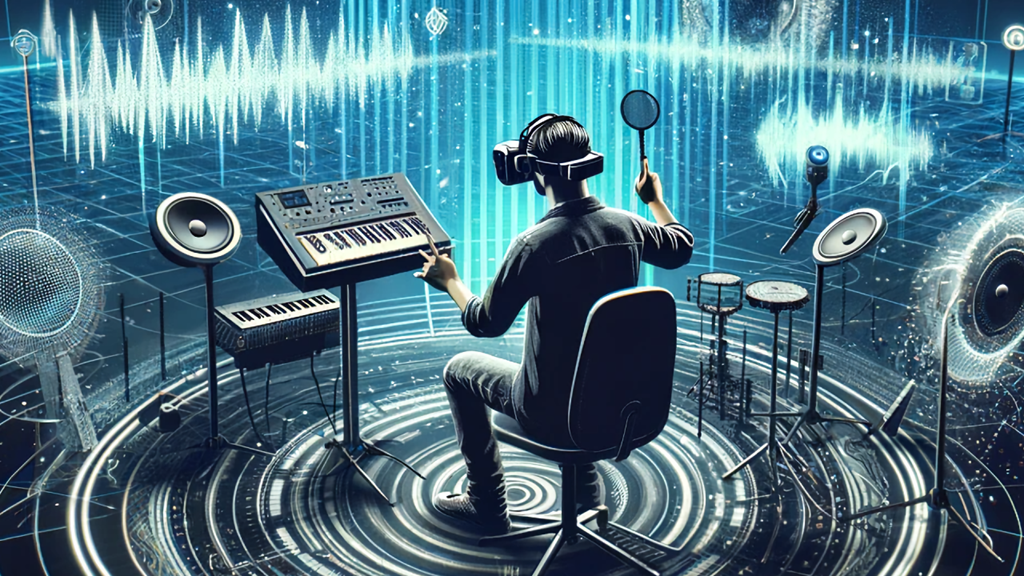
To achieve seamless metaverse integration with social audio experiences, robust technologies must come into play.
Here’s a closer look at some of the tools enabling this transformation:
- 3D Spatial Audio: Technologies like Dolby Atmos and Sennheiser AMBEO are paving the way for hyper-realistic soundscapes in virtual spaces.
- AI-Driven Moderation: AI tools are being used to moderate live audio discussions, ensuring a safe and inclusive environment.
- Blockchain for Ownership: Blockchain technology ensures secure ownership of virtual assets, including audio NFTs that can be used in the metaverse.
- Cross-Platform Compatibility: Interoperable platforms allow social audio apps to integrate seamlessly into metaverse ecosystems, enhancing user accessibility.
Challenges of Merging Social Audio and the Metaverse
While the prospects are exciting, there are challenges to overcome:
- Bandwidth and Latency: Delivering high-quality audio in immersive metaverse environments requires robust internet infrastructure.
- Privacy Concerns: With audio interactions becoming central, safeguarding user data and preventing misuse are critical priorities.
- Adoption Barriers: Convincing users and developers to adopt these integrated platforms can be challenging without clear value propositions.
Nevertheless, ongoing advancements in technology and user education are addressing these hurdles, paving the way for widespread adoption.
Related: How to play music on alexa for free
Future Trends to Watch
The evolution of metaverse integration with social audio experiences is just beginning. Here are some trends shaping its future:
- AI-Powered Virtual Assistants: AI will play a significant role in enhancing social audio interactions by personalizing conversations and moderating discussions.
- Audio NFTs: The rise of NFTs will enable users to own unique audio content, such as podcasts or music, within the metaverse.
- Virtual Reality Podcasts: Podcasting is evolving into VR, offering listeners a fully immersive experience with visual and spatial audio elements.
FAQs
What is the metaverse?
The metaverse is a virtual shared space that combines augmented reality (AR), virtual reality (VR), and the internet to create immersive digital experiences.
How do social audio apps fit into the metaverse?
Social audio apps provide real-time, voice-driven interactions that enhance the sense of presence and community within the metaverse.
What are the benefits of integrating social audio in the metaverse?
Integration enables lifelike communication through 3D spatial audio, fosters community building, and enhances accessibility for users.
Related: Unlocking Crystal-Clear Playback: How to Change SD to HD in VLC for Android
What challenges exist for social audio in the metaverse?
Key challenges include infrastructure limitations, privacy concerns, and user adoption barriers.
Are there real-world examples of this integration?
Yes, platforms like Horizon Worlds and Microsoft Mesh are actively using spatial audio to enhance virtual interactions.
Conclusion
The integration of the metaverse with social audio experiences represents a bold leap forward in how we communicate and connect. By merging the intimacy of voice with the immersive capabilities of virtual environments, this technology has the potential to redefine digital interaction. While challenges remain, the opportunities are vast, promising a future where virtual and physical realities blend seamlessly.