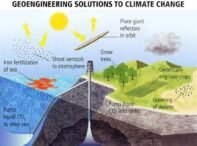
Solar geoengineering, a bold approach to climate intervention, aims to cool Earth by reflecting sunlight. It uses stratospheric aerosols, tiny particles injected into the atmosphere, to mimic natural cooling effects, like volcanic eruptions. This method sparks fascination due to its potential to address global warming. However, it raises concerns about risks and ethical dilemmas. According to a 2021 study by Harvard’s Solar Geoengineering Research Program, these techniques could reduce global temperatures by 1–2°C if deployed effectively. My curiosity about this topic grew after attending a climate conference where experts debated its feasibility. This article explores how solar geoengineering works, its mechanisms, benefits, challenges, and future implications, offering clear insights for readers eager to understand this innovative climate solution.
Understanding Stratospheric Aerosols in Climate Control
Stratospheric aerosols are microscopic particles, like sulfur dioxide, injected into the stratosphere to reflect sunlight. These particles scatter solar radiation, reducing the heat absorbed by Earth. The process mimics volcanic eruptions, such as Mount Pinatubo’s 1991 eruption, which cooled the planet by 0.5°C for two years. Scientists propose using aircraft or balloons to deliver aerosols 20–25 kilometers above Earth, where they remain for 1–2 years.
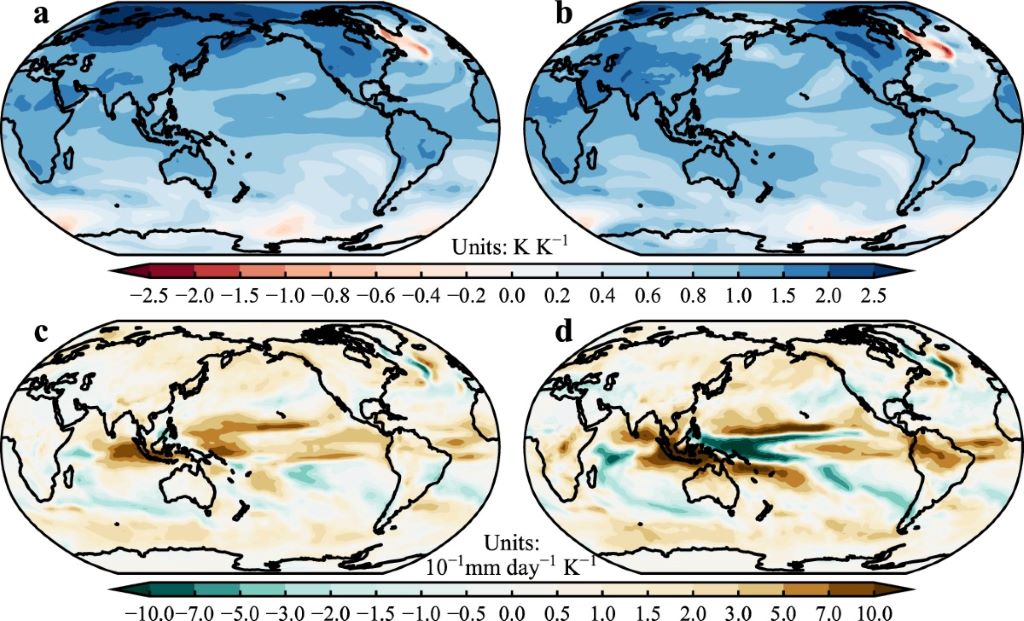
This method fascinates due to its rapid cooling potential. However, it requires precise calculations to avoid disrupting weather patterns. A 2020 study by the National Academy of Sciences noted that improper deployment could alter rainfall, impacting agriculture. My visit to a research lab revealed the complexity of modeling aerosol dispersion. While effective, stratospheric aerosols don’t address ocean acidification or CO2 buildup, making them a temporary climate intervention tool.
How Solar Geoengineering Reflects Sunlight to Cool Earth
Solar geoengineering reflects sunlight by creating a reflective layer in the stratosphere. Aerosols, such as sulfate particles, scatter shortwave radiation back into space, lowering Earth’s temperature. This process, called albedo modification, increases the planet’s reflectivity. For example, a 2018 report by the Intergovernmental Panel on Climate Change (IPCC) estimated that reflecting 1–2% of sunlight could offset warming from doubled CO2 levels.
The technique is compelling because it acts quickly, unlike emissions reductions. However, it demands continuous maintenance, as aerosols settle over time. I recall a discussion with a climatologist who emphasized the need for global coordination to avoid uneven cooling. Challenges include potential ozone depletion and regional climate shifts. Despite these, solar geoengineering’s ability to provide immediate cooling makes it a captivating option for climate intervention.
Benefits of Using Stratospheric Aerosols for Cooling
Stratospheric aerosols offer several advantages for climate intervention:
- Rapid Cooling: Can lower global temperatures within months.
- Cost-Effective: Estimated at $1–10 billion annually, per Harvard research.
- Scalable: Adjustable to regional or global needs.
- Emergency Response: Useful during extreme climate events.
These benefits make solar geoengineering appealing for urgent climate action. For instance, during a heatwave, rapid deployment could save lives. However, it’s not a cure-all. It doesn’t reduce CO2 levels, which drive long-term climate issues. My experience at a climate workshop highlighted how scientists value its potential but urge caution. Combining aerosols with emissions cuts could maximize effectiveness while minimizing risks.
Risks and Challenges of Solar Geoengineering Deployment
Solar geoengineering carries significant risks. Stratospheric aerosols could deplete ozone, increasing UV radiation. A 2019 study by the University of Cambridge warned of potential rainfall disruptions, affecting 20–30% of global agriculture. Additionally, stopping injections abruptly, known as “termination shock,” could cause rapid warming.
Ethical concerns also arise. Who controls deployment? Uneven cooling may benefit some regions while harming others. I recall a conference where developing nations voiced fears of exploitation. Governance remains a hurdle, as no global framework exists. These challenges underscore the need for careful planning and international cooperation to ensure safe, equitable climate intervention.
The Science Behind Aerosol Injection Techniques
Aerosol injection involves delivering particles like sulfur dioxide into the stratosphere using high-altitude aircraft or balloons. The particles form sulfate aerosols, reflecting sunlight. The process requires precise engineering—too much aerosol could overcool, too little may be ineffective. A 2022 NOAA report highlighted that 2–5 million tons of sulfur dioxide annually could achieve 1°C cooling.
The science fascinates due to its precision. However, it’s complex. Aerosol size, altitude, and dispersion affect outcomes. My tour of a research facility showed how scientists use supercomputers to model these variables. Challenges include developing eco-friendly delivery systems and ensuring even distribution. This method’s potential is vast, but its deployment demands rigorous testing to avoid unintended consequences.
Global Governance and Ethical Considerations
Solar geoengineering requires global governance to prevent misuse. No international body currently regulates it, raising concerns about unilateral actions. Ethical dilemmas include potential harm to vulnerable regions and lack of consent from affected populations. A 2021 UN report emphasized the need for inclusive decision-making.
Governance fascinates because it blends science and diplomacy. I once spoke with a policymaker who stressed equitable frameworks. Without them, wealthier nations might dominate, exacerbating inequalities. Transparent research and public engagement are vital. Developing nations, often most impacted by climate change, must have a voice. Effective governance ensures solar geoengineering serves as a fair climate intervention tool.
Future Prospects of Solar Geoengineering Technologies
The future of solar geoengineering hinges on research and innovation. Scientists are exploring alternatives like calcium carbonate aerosols, which may reduce ozone damage. Advances in delivery systems, such as reusable high-altitude drones, could lower costs. A 2023 study by MIT suggested these innovations could make deployment safer by 2030.
This field captivates due to its potential to evolve. However, public skepticism and funding gaps pose challenges. My discussions with researchers revealed optimism tempered by caution. Combining solar geoengineering with renewables and carbon capture could create a holistic climate strategy. Continued research and global dialogue will shape its role in future climate intervention efforts.
Conclusion
Solar geoengineering, using stratospheric aerosols, offers a promising yet complex climate intervention tool. It can cool Earth rapidly, buying time to cut emissions. However, risks like ozone depletion and ethical concerns demand careful consideration. My journey into this topic, from conferences to lab visits, underscores its potential and challenges. As we face rising temperatures, exploring innovative solutions like solar geoengineering is crucial. Yet, it must complement, not replace, emissions reductions. Share your thoughts in the comments or spread this article to spark discussion on climate solutions!
What do you think about solar geoengineering? Leave a comment or share this article to join the climate conversation!
FAQs
How Do Stratospheric Aerosols Cool the Planet?
Stratospheric aerosols reflect sunlight, reducing Earth’s heat absorption, mimicking volcanic cooling effects.
Is Solar Geoengineering Safe for the Environment?
It carries risks like ozone depletion and rainfall changes, requiring careful research and governance.
Who Controls Solar Geoengineering Deployment?
No global body regulates it yet, raising ethical concerns about unilateral actions.
Can Solar Geoengineering Replace Emissions Reductions?
No, it’s a temporary solution and must complement long-term emissions cuts.
What Are the Costs of Solar Geoengineering?
Estimated at $1–10 billion annually, per Harvard’s 2021 research, making it cost-effective.
Read More:
Global Warming, Climate Change and the effects of Pollution and Contaminated land.