
What Are the Different Home Decor Styles?

Home decor is an art form that combines personal expression, cultural influence, and practical living solutions. With numerous decor styles to choose from, finding the perfect fit for your home can feel daunting. From sleek modern interiors to cozy rustic spaces, each design approach tells a unique story. Let’s embark on a journey to discover what are the different home decor styles and uncover ways to transform your home into a reflection of your personality.

Modern Conservatory Ideas

  1. Glass extensions

A sleek, easy way to upgrade your conservatory is with glass extensions. They not only bring warmth and light into your home but also blend in with any type of brickwork or cladding. Double glazing and integrated doorways offer a seamless transition to your garden while landscaping your outdoor area gives you something beautiful on a rainy or grey day. For Gloucester Conservatories, consider Firmfix

Deck the Halls (and the Windows!): A Guide to Festive Christmas Window Decor

The holidays are a time for transforming our homes into cozy, festive havens. While the tree often takes center stage, your windows offer a fantastic opportunity to spread Christmas cheer both inside and out. Whether you crave a classic, rustic, or modern look, there’s a window decorating idea waiting to illuminate your home this Christmas. From festive wreaths to twinkling lights, and even creative garlands, every style can shine brightly, especially with the addition of Christmas window decor. And if you have fin vs flanged windows, you can enhance your decor with tailored designs that complement the unique features of your window frames.

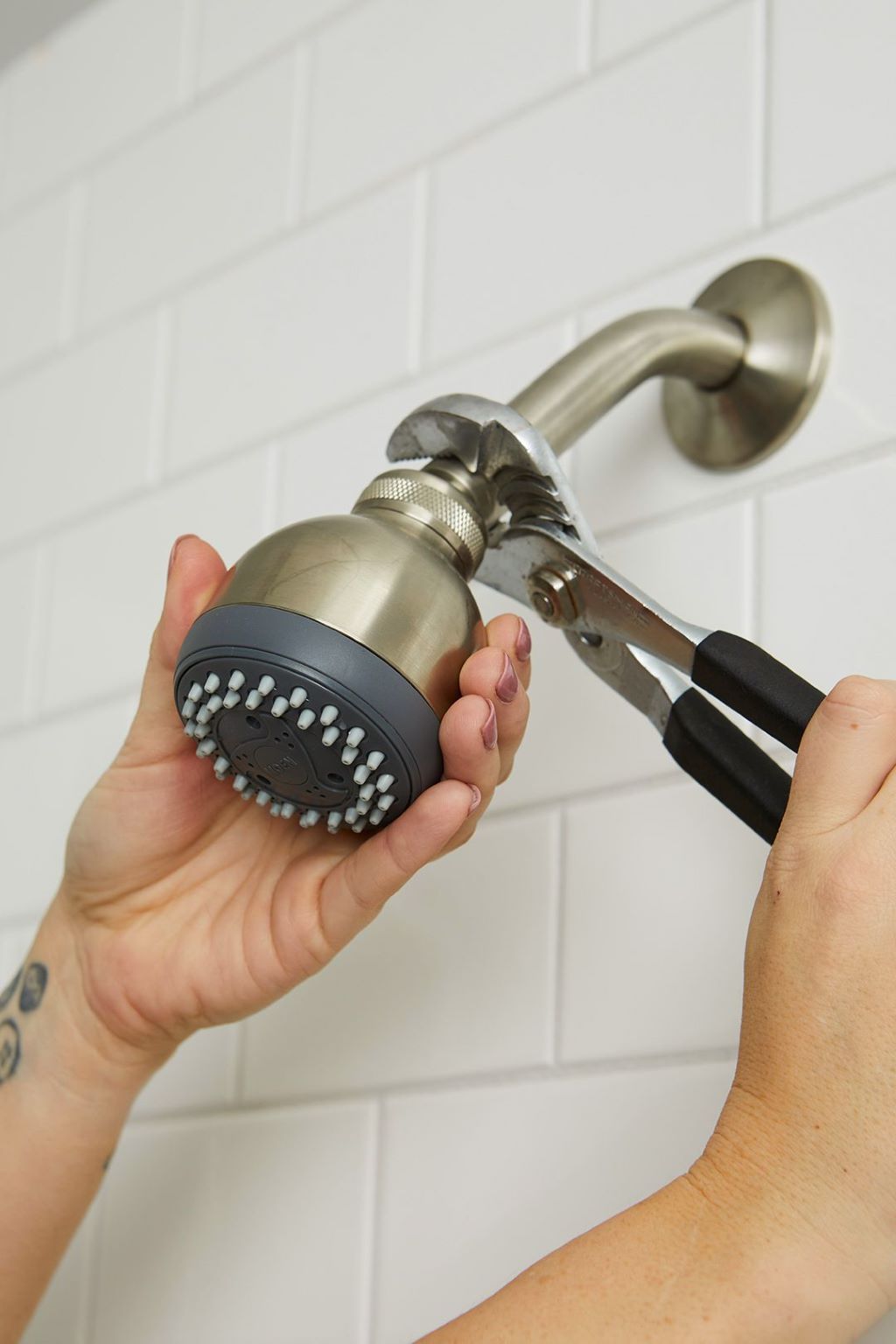
Wrestling with a Stubborn Showerhead? The Right Wrench for the Job

We’ve all been there: standing in a dribbling shower, frustrated that the once-powerful stream has been reduced to a pathetic trickle. The solution? A new showerhead! But before you can enjoy that luxurious rainfall experience, you need to remove the old one. And that often means wrestling with a stubborn, corroded, stubborn showerhead fixture. For more tips on how to tackle bathroom upgrades, you might want to explore Rusticdecorliving blog, where you’ll find advice on everything from shower head replacements to enhancing the overall look of your bathroom.

That Rotten Egg Smell: Why Your Drain Smells Like a Sewer (And How to Fix It)

That unmistakable odor wafting from your drain – it’s not just unpleasant, it’s a sign that something’s amiss in your plumbing. While a faint sewer smell might be a temporary annoyance, a persistent stench can indicate serious issues lurking beneath the surface. But don’t worry, you don’t need to live with that rotten egg aroma! This article will dive into the common causes of drain odors, provide DIY solutions, and explain when it’s time to call in a professional plumber. If the problem requires more than a simple fix, you may need to consider options like drain lining, which can repair pipes without excavation. However, before proceeding, it’s worth exploring the drain lining cost per metre to ensure it fits within your budget.

Mastering Emergency Water Mitigation: Steps for Maximum Effectiveness 

Water damage can strike suddenly and wreak havoc on your property. Whether it’s a burst pipe, a leaky roof, or a natural disaster, prompt action is crucial to minimize the damage and ensure a safe and effective restoration. This article will provide a comprehensive guide on the steps to take during emergency water mitigation for maximum effectiveness. 

What do plumbers do?

Plumbers are always in demand, and it is easy to see why. They have a unique set of skills and knowledge about a topic that the majority of us know little about.

Where do plumbers work?

The fact that almost every type of premises has a plumbing system means plumbers can work in numerous settings, including residential, commercial (such as hotels and restaurants), industrial (such as warehouses, factories, and processing plants), construction sites, and public buildings (such as libraries, museums, swimming pools, and offices).

What does a plumber do?

Plumbers carry out a wide variety of tasks/jobs. Some of the most common are outlined below:

1. Installation

A key part of the role is the installation of various systems and fixtures. This includes systems for heating, drinking water, sewage, and drainage. In terms of fixtures, this can include installing sinks, toilets, baths, and washing machines/dishwashers. When it comes to fittings, this includes taps and showers. Correct installation is important for efficiency.

2. Repairs and servicing/maintenance

This is what most of us will need a plumber in Cheltenham for. They can deal with a range of issues when it comes to repairing parts of plumbing systems. This can include unblocking a drain, fixing a broken pipe, or sorting a leaky tap. Plumbing emergencies can include burst or frozen pipes, boiler breakdowns, or major leaks

In terms of servicing and maintenance, plumbers can carry out routine checks of plumbing systems including heating systems and drainage.

If you need professional help/assistance and are looking for a plumber Cheltenham or the surrounding area, there are a number of companies that offer both standard and emergency callouts. Many of these, such as https://www.hprservicesltd.com/emergency-plumber-cheltenham, also have useful online resources.

3. Interpret drawings and specifications

An often overlooked part of a plumber’s role is to interpret and understand how a plumbing system is designed and how this affects its workings. This includes being able to make sense of technical drawings. Without this knowledge, it can be almost impossible to deal with problems that may occur.

Common Pitfalls to Avoid When Buying Your First Condo

Buying your first condo is an exciting milestone, but it’s important to tread carefully. The condo market has its own unique set of rules and considerations, and first-time buyers are particularly susceptible to making costly mistakes. Let’s delve into some of the most common pitfalls and how to avoid them.

Underestimating the True Cost

What to know when buying a condo for the first time

One of the biggest mistakes first-time condo buyers make is focusing solely on the purchase price. Condo ownership comes with additional costs beyond the mortgage payment. These include monthly condo fees, property taxes, and potential special assessments for major repairs or upgrades. Failing to factor these into your budget can lead to financial strain down the line.

Before you start your condo search, create a comprehensive budget that includes all potential expenses. Get pre-approved for a mortgage so you know exactly how much you can afford. And don’t forget to leave some wiggle room for unexpected costs.

Essential Habits for Maintaining Emotional Resilience

2. Overlooking the Condo Association

The condo association plays a crucial role in the overall condo living experience. They are responsible for maintaining the common areas, enforcing the rules and regulations, and managing the finances. Before buying a condo, thoroughly review the association’s bylaws, financial statements, and meeting minutes.

Pay attention to the condo fees and any upcoming special assessments. Also, consider the association’s rules and regulations. Are there restrictions on pets, rentals, or renovations? Make sure the association’s rules align with your lifestyle and expectations.

3. Neglecting the Location

Location is a key factor in real estate, and condos are no exception. The location of your condo will impact your commute, access to amenities, and overall quality of life. Consider factors such as proximity to work, public transportation, schools, shopping, and recreational areas.

Spend time exploring the neighborhood at different times of the day and week. Talk to residents and get a feel for the community vibe. Remember, you’re not just buying a condo, you’re buying into a lifestyle.

4. Skipping the Home Inspection

Even if the condo appears to be in pristine condition, it’s crucial to have a professional home inspection. A home inspector can identify potential issues that may not be visible to the untrained eye, such as structural problems, plumbing leaks, or electrical faults.

A home inspection can save you from costly surprises down the line. If the inspector uncovers any major issues, you can negotiate with the seller to have them repaired or adjust the purchase price accordingly.

5. Ignoring the Resale Value

While you may be focused on finding the perfect condo for your current needs, it’s also important to consider its potential resale value. Life circumstances can change, and you may need to sell your condo sooner than you anticipate.

Factors that can impact a condo’s resale value include location, size, condition, amenities, and the overall health of the condo association. Choose a condo that is likely to appreciate in value over time.

6. Rushing the Decision

Buying a condo is a major financial decision, and it’s not one to be rushed. Take your time, do your research, and visit multiple properties before making an offer. Don’t let yourself be pressured by real estate agents or sellers.

If you’re unsure about a particular condo, walk away. There are plenty of other options out there. The right condo will come along when the time is right.

Read More Also: Discover the Secret to Gleaming Stainless Steel Appliances 

7. Not Hiring a Real Estate Agent

While it’s possible to buy a condo without a real estate agent, it’s not recommended, especially for first-time buyers. A good real estate agent can guide you through the entire process, from finding the right condo to negotiating the purchase price.

They can also provide valuable insights into the local market and help you avoid common pitfalls. When choosing an agent, look for someone who is experienced in the condo market and has a good track record.

8. Forgetting About Insurance

Condo insurance is essential to protect your investment. It covers your personal belongings, as well as any damage to the interior of your unit. It’s important to understand what is and isn’t covered by your condo insurance policy.

Make sure you have adequate coverage for your needs. You may also want to consider additional coverage for things like flood or earthquake damage, depending on your location.

9. Not Reading the Fine Print

Before signing any documents, carefully review all the terms and conditions. This includes the purchase agreement, the condo association bylaws, and any other relevant documents.

If you don’t understand something, ask questions. It’s better to be safe than sorry. Don’t let yourself be pressured into signing anything you’re not comfortable with.

10. Letting Emotions Take Over

Buying a condo can be an emotional process, but it’s important to keep your emotions in check. Don’t let yourself fall in love with a condo before you’ve done your due diligence.

Remember, you’re making a financial investment, not just buying a home. Make sure the condo meets your needs and budget before you let your heart take over.

Conclusion

Buying your first condo can be a rewarding experience, but it’s important to be prepared. By avoiding these common mistakes, you can increase your chances of finding the perfect condo and enjoying a smooth and successful homeownership journey.

Remember, knowledge is power. The more you know about the condo buying process, the better equipped you’ll be to make informed decisions. Don’t hesitate to ask questions and seek professional advice when needed. Happy condo hunting!