That unmistakable odor wafting from your drain – it’s not just unpleasant, it’s a sign that something’s amiss in your plumbing. While a faint sewer smell might be a temporary annoyance, a persistent stench can indicate serious issues lurking beneath the surface. But don’t worry, you don’t need to live with that rotten egg aroma! This article will dive into the common causes of drain odors, provide DIY solutions, and explain when it’s time to call in a professional plumber. If the problem requires more than a simple fix, you may need to consider options like drain lining, which can repair pipes without excavation. However, before proceeding, it’s worth exploring the drain lining cost per metre to ensure it fits within your budget.
The Usual Suspects: Why Drains Turn Stinky
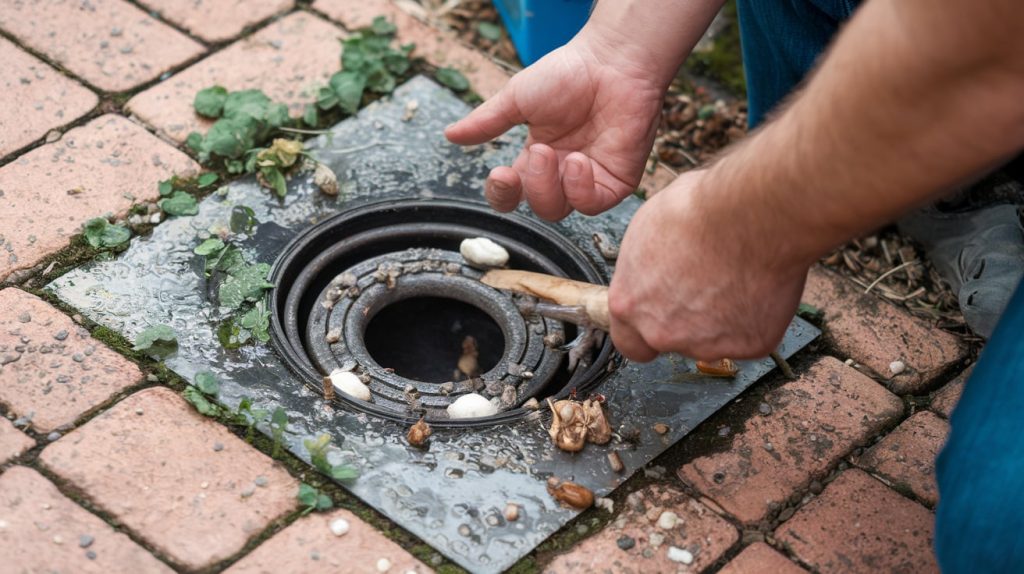
- The Dry Trap:
Imagine a U-shaped pipe under your sink – that’s the P-trap. It’s designed to hold water, creating a seal that blocks sewer gases from escaping into your home. If this trap dries out, those unpleasant odors get a free pass. This often happens in infrequently used drains like guest bathroom sinks or floor drains.
Solution: Simply run water down the drain for a few seconds to refill the trap. For floor drains, pour a bucket of water.
- Clogged Drains:
Hair, soap scum, food particles – all these contribute to drain clogs. As this organic matter decomposes, it releases foul-smelling gases, often reminiscent of rotten eggs (thanks to hydrogen sulfide).
Solution:
- Boiling water: A simple first step, especially for kitchen sinks.
- Baking soda and vinegar: This dynamic duo creates a fizzing action that can dislodge minor clogs.
- Plunger: Effective for tougher blockages.
- Chemical drain cleaner: Use with caution, as they can damage pipes if overused.
- Drain snake: A flexible tool to reach deeper clogs.
- Biofilm Buildup:
Ever noticed a slimy, black coating on your drain stopper? That’s biofilm, a colony of bacteria that thrives in moist environments. This biofilm can also form in septic tanks, leading to unpleasant odors and potential clogs. Not only does it smell bad, but it can also contribute to drainage issues.
Solution:
- Scrub the stopper: Remove and thoroughly clean the stopper with an old toothbrush and dish soap.
- Baking soda and vinegar: Pour baking soda down the drain, followed by vinegar. Let it fizz for a few minutes, then flush with hot water.
- Vent Pipe Problems:
Plumbing vents are pipes that extend through your roof, allowing sewer gases to escape outside. If these vents are blocked by leaves, debris, or even bird nests, the gases can back up into your home through the drains.
Solution: This is best left to a professional plumber. They have the tools and expertise to safely clear vent blockages.
- Leaky Pipes:
A crack or leak in your drain pipes can allow sewer gases to seep out. This problem often requires professional attention.
Solution: Contact a plumber to inspect your pipes and make necessary repairs.
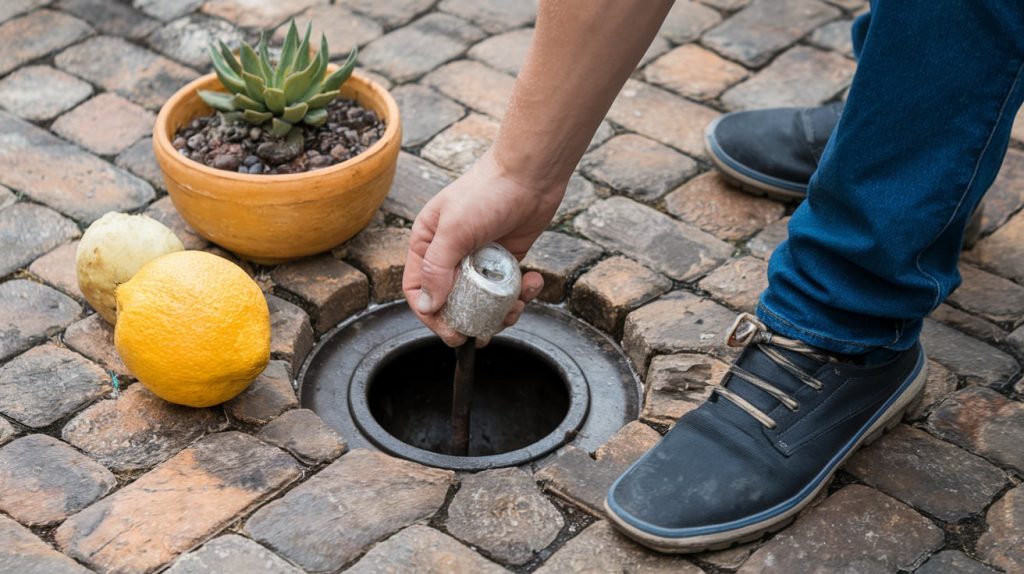
When to Call a Plumber
While DIY solutions can often resolve drain odors, some situations warrant professional help:
- Persistent odors: If the smell returns despite your efforts, there might be a deeper issue.
- Multiple drains affected: This could indicate a problem with the main sewer line.
- Gurgling sounds: Gurgling drains suggest a venting issue or blockage.
- Sewage backup: This is a serious plumbing emergency that requires immediate professional attention.
Discover How to locate a blockage in a sewer
Preventing Drain Odors: A Proactive Approach
- Regular cleaning: Flush drains with hot water weekly.
- Use drain strainers: Catch hair and food particles before they go down the drain.
- Dispose of grease properly: Never pour grease down the drain.
- Avoid harsh chemicals: Overuse of chemical drain cleaners can damage pipes.
By understanding the causes of drain odors and taking preventive measures, you can keep your home smelling fresh and clean. And remember, when in doubt, don’t hesitate to call a qualified plumber. They have the knowledge and tools to tackle even the toughest plumbing problems.