How To Clean Your Cedar Roof

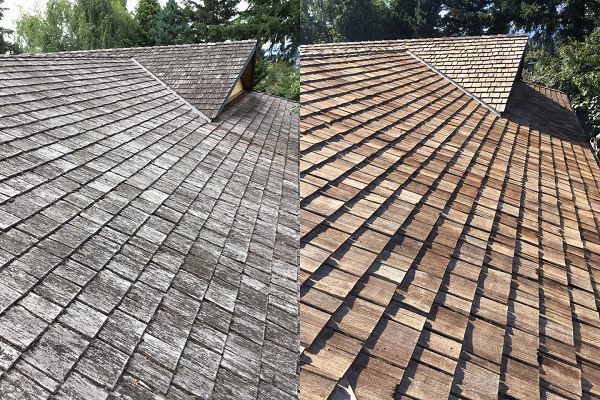
Cedar roofs are beautiful and durable, but they can get quite greasy in areas where the wood is exposed to sun and rain. Luckily, it’s easy to clean your cedar roof with only a few household items!

How to Clean Your Cedar Roof

Cedar roofs are one of the most attractive and durable roofing options around, but they can be difficult to clean. Here are some tips on how to clean a cedar roof:

-Use a pressure washer. A power washer with a high-pressure nozzle is ideal for cleaning cedar roofs. Be sure to use a detergent that is specifically designed for cedar roofs, such as Clean Green Home’s Cedar Roof cleaner. Avoid using chlorine-based cleaners, which may damage the roofing material.

-Use a broom and bucket. After using the pressure washer, use a broom to sweep the debris off the roof and into a bucket. Use a hose to rinse the debris off the roof and down into the bucket.

-Clean with a vacuum cleaner and brush. If dirt or dust is stubbornly attached to the roofing material, use a vacuum cleaner with its hose attachments to suck up the dirt and dust particles. Then use a stiff brush to scrub the particles off the roof surface. Have a look at the fruit decoration ideas.

Safety Tips

When it comes to cleaning your cedar roof, it is important to keep in mind the safety tips below.

– Always wear a safety helmet and gloves when cleaning your roof.
– Use a ladder for easy access to the roof.
– Use a bucket or spray bottle filled with water and diluted bleach to clean the roof.
– Wipe down the wood shingles with a damp cloth after cleaning.

Chemicals That Can Damage Your Roof

Cleaning your cedar roof can be a daunting task, but with the right chemicals and precautions taken, it’s not as difficult as you might think. Here are four chemicals that can damage your cedar roof:

1. Chlorine bleach: Sodium hypochlorite is an effective cleaner for most surfaces, but it also contains chlorine which can damage cedar wood. Avoid using chlorine bleach on cedar roofs as it will cause premature wear and tear.

2. Petrol: Petroleum products such as paint strippers and removers can damage cedar roofs due to the high heat and fumes they produce. Be sure to use caution when using these products, and always wear protective gear including a mask and gloves.

3. Acetone: Acetone is a highly flammable compound used in many cleaning solutions and also found in nail polish remover. Acetone can easily ignite, leading to a dangerous fire in your home. Keep acetone out of reach of children and pets, and use it only in a well-ventilated area.

4. Bromine: Bromine is an element found in many pool disinfectants and water purifiers. Bromine can easily ignite when exposed to high heat, and if released in your home could cause serious damage. Bromine is highly toxic, so be sure to use it carefully. In addition to causes of fire, you’re also at risk of fire from electrical issues that can occur when a power surge hits your home. You can cut grass with scissors.

Conclusion

Cedar roofs are one of the most popular roofing materials in the United States. They’re durable, weatherproof, and come in a wide variety of colors and styles. But like any other type of roofing material, cedar roofs need to be cleaned periodically to keep them looking their best and protecting your home from rain and snow.

Does Moss Grow On Slate Roofs?

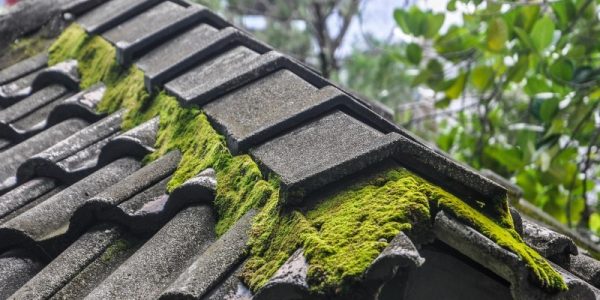
Moss is a green, leafy plant with a fuzzy texture, and it grows in many types of environments – from the tundra to the tropics. One place that moss doesn’t typically grow? On slate roofs. But what if you see moss growing on yours? This might be an indication that your roof isn’t as sound as it could be.

What is Slate Roofs?

The slate roof is a type of roof made from slate, a type of mineral. Slate roofs are popular in warm climates because they are very efficient at keeping heat in. They also have a beautiful texture and can be very colorful. Let’s learn how to remove shower handle.

How Moss Grows on Slate Roofs

Moss is a type of plant that can grow on any type of roof, including slate roofs. Slate roofs are made up of small, individual pieces of slate that are laid down in a pattern on the roof. Because moss can grow on any type of roof, it is common for moss to grow on slate roofs.

Moss can be found growing on the roof in two different places. Moss can grow on the surface of the slate roofing material. Moss can also grow between the slate tiles and the roofing material. Moss can provide protection for the roofing material and help keep the roof waterproof.

Moss does not damage the roofing material or cause any problems with the roof. Moss is a natural part of a slate roof and is not considered an outdoor plant.

What Does a Slate Roof Cost?

Moss can grow on slate roofs and when it does, it can cause a lot of confusion for homeowners. Slate is a very popular roofing material because of its durability and resistance to weathering, but moss can cause problems.

First, moss can cause water infiltrates that lead to rot and decay. Second, moss can act as an environmental filter and trap pollutants in the soil below the roof, which can then be released into the environment. Finally, moss can create an unattractive surface that will reduce the resale value of your home. So if you have a slate roof, be sure to keep it clean and free of moss to avoid any problems.

Why are Modern Homes Built With Slate Roofs?

The popularity of slate roofs is due to their many benefits! Slate tiles are a very durable roofing material and can last up to 50 years without needing replacement. Additionally, slate roofs are very energy-efficient and can help reduce your carbon footprint. Slate tiles also offer great thermal insulation, making them a popular choice for homes that suffer from cold winters. Slate roofs are also unique in that they are both watertight and airtight, providing superior protection from the elements. Finally, slate roofs are extremely easy to care for – just clean with a hose and a broom! Discover the hot ground reverse.

Conclusion

Moss may not be the first thing that comes to mind when you think of Slate roofs, but the soft, green plant can actually grow quite well on them. In fact, moss is one of the most common roof plants in the United States. While it’s not necessary to have moss on your slate roof in order for it to function and last, adding a little bit of this fuzzy friend can make a big difference in how your roof looks and feels.

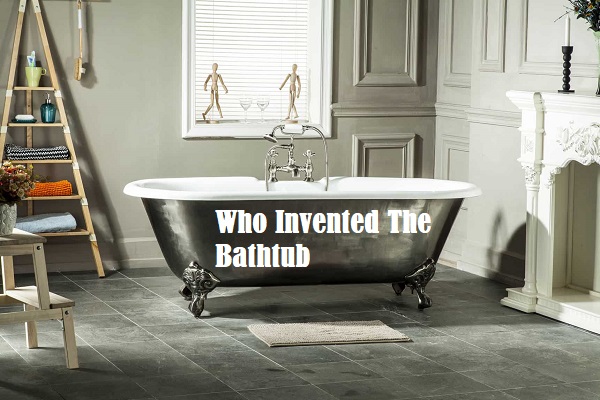
Who Invented The Bathtub?

Who invented the bathtub? There are many different answers to this question depending on who you ask. Some say it was in Ancient Rome, while others say it was as recent as 1910. Find out who is right and what the story is behind this invention! Look at the ceiling decorations.

The bathtub is a centuries-old invention that has had a significant impact on the way people bathe. While it is not clear who invented the bathtub, it is likely that several people were involved in its development.

When was the bathtub invented?

The bathtub was invented in the 1760s by an Englishman, John Wesley Hyatt. The bathtub as we know it was invented in ancient Greece. The Chinese also had bathtubs before the Greeks, but they were not as popular or well known. Discover diy concrete pool.

What was used before bathtubs?

Baths were used in ancient civilizations all over the world. In ancient Greece, there was a type of bathtub called a caldarium. This bathtub was made out of bronze and had a hot water heater that sat in the middle of it. The caldarium was used by wealthy people to relax in.

In Rome, there were public baths that everyone could use. These baths were very popular and were used by people of all ages. There were also private baths that only the wealthy could use. The most famous private bath is the Baths of Caracalla, which are still standing today.

The first true bathtub was invented by Roman architect Cornelius Gemellus in the 1st century AD. He designed a tub that could be filled with hot water using an aqueduct. This allowed people to bathe without having to go outside or climb into a river to get bathed. Find out germinating seeds in paper towel.

Who exactly invented the bathtub?

The bathtub may have originated in ancient China, but it was Roman Emperor Constantine who first legalized public baths, making it easier for people to take a bath. It wasn’t until the 18th century that the modern bathtub was developed, with added features like hot and cold water and a step ladder to get into it.

Pliny the Elder was a Roman writer and naturalist who lived in the first century AD. He is best known for his work The Natural History, in which he describes many different types of animals and plants. But what most people don’t know is that he also wrote about bathtubs, which was quite an unusual topic for him to write about.

In fact, Pliny the Elder is one of only two writers in history who mentions the word “bathtub.” The other writer is Aristotle, who wrote about them more than 2,000 years earlier. So it can be said with certainty that Pliny the Elder was the first person to actually invent the bathtub. Get info about elephant decor.

Conclusion

Who invented the bathtub? Most historians believe that it was the Romans who first built baths with water heated on an open hearth. The Roman baths were very popular and allowed people to bathe in warm water while standing up, which was much more comfortable than bathing in cold water in a river or lake.

Three Things you Can Do to Help the Local Wildlife this Winter

Caring for the planet and our environment is something that we must do as a matter of urgency. Although many countries all over the world need to make big changes there are lots of things that we can do at home as well – the small changes that we make all add up to make a big difference – from using a polystyrene recycling service like this www.printwaste.co.uk/business-recycling-solutions/polystyrene-recycling/ to cycling to work instead of driving, it is amazing how much of a difference we could make if we all put our mind to it.

How to Turn your Garden from Cluttered Jungle to a Garden to be Proud of

It may be that you have recently moved into a property that has been a bit unloved, or maybe you haven’t been able to pay attention too much to the garden – an overgrown garden that has got out of control can be a really daunting project to take on, but the results of getting it sorted out mean that you gain all of that space that was previously unusable and end up with a garden that you can be proud of. If you have been putting off the task of doing a big garden tidy up, here are some of the steps that you can take to get it on the right tracks to being a garden that you can enjoy…

What Sorts of Premises Might Need Commercial Cleaning?

Not sure if your business needs a cleaner? There are a few simple things that need to be kept in mind when thinking about the different types of premises that require commercial cleaning. The first thing to consider is whether or not it is a manufacturing facility, retail outlet, office building or any other type of commercial property. The next thing to think about is whether or not it will be used for trade, for example, if you have a hair salon or a shop, there would be a lot of traffic passing through your premise, so it would get dirty much faster.

Why We Love Building With Timber

Why we love building with timber is a question that we often ask ourselves as we contemplate building a new home or renovating our existing home. There is something wonderfully satisfying about the idea of creating something from natural materials, of creating something out of the plentiful supply that nature provides us with. The process of building with wood seems to have an innate property that stands the test of time and wear and tear. It also seems to possess an intrinsic beauty that is hard to match in any other material. For a Timber Merchants Southampton, go to www.timbco.co.uk/

What’s the point of a lawn?

When you look at your garden you may well wonder what the point of the large expanse of grass is for. This is the lawn. The lawn has been a feature of English and UK gardens since time immemorial. A well manicured beautiful lawn was seen as one of the highlights of a garden especially if it was at the front of the property. However, in our modern age the lawn has had to take second place to many other uses. In a large number of cases you will see the lawn is destroyed in favour of parking bays and spaces for vehicles. In other examples the lawn is moved and a formal gravelled garden is placed instead because this requires less maintenance.  should we be in such a rush to get rid of our lawns?  What purpose can they serve?