
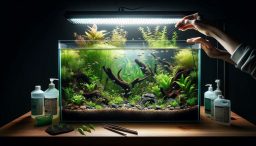
Creating a lush, vibrant planted aquarium is a blend of science and art, and one of the most critical factors is proper lighting. Aquarium lighting schedules for plant growth not only affect photosynthesis but also the overall health of your aquatic ecosystem. Let’s dive into the nuances of establishing an effective lighting routine while ensuring optimal plant health. For detailed insights on similar topics, explore Reefaquariumblog.
The Importance of Aquarium Lighting for Plant Growth
Aquatic plants rely on light for photosynthesis, the process that drives their growth, coloration, and vitality. However, too much or too little light can lead to problems such as algae overgrowth or plant stunting. Proper aquarium lighting schedules provide the balance your underwater garden needs to flourish.
Key Functions of Aquarium Lighting
- Stimulates Photosynthesis: Adequate lighting allows plants to convert carbon dioxide and nutrients into energy.
- Enhances Aesthetic Appeal: The right lighting schedule brings out vivid colors in plants and fish, elevating your aquarium’s visual allure.
- Maintains Ecosystem Balance: A well-regulated lighting schedule prevents algae blooms, ensuring a balanced aquatic environment.
Statistics from experienced aquarists show that aquariums with consistent lighting schedules are up to 40% more likely to maintain healthy plant growth compared to irregular setups.
Designing Reef Tank Lighting Schedules for Planted Aquariums
When setting up a lighting schedule, many factors come into play, including the types of plants, light intensity, and the aquarium’s natural environment. An optimal routine can emulate the sun’s natural cycle while avoiding overexposure. For detailed strategies, you can check out reef tank lighting schedules.
Balancing Light Intensity and Duration
- Low-Light Plants: Species like Java Ferns thrive under 6-8 hours of moderate lighting per day.
- Medium-Light Plants: Amazon Swords flourish with 8-10 hours of light daily.
- High-Light Plants: Plants like Dwarf Hairgrass require 10-12 hours of intense lighting.
Avoiding Overexposure
Prolonged lighting can lead to algae outbreaks. Experts recommend a midday break for aquariums, mimicking cloudy weather conditions. This strategy can reduce algae growth by up to 25%.
Choosing the Best Lights for Aquatic Plant Growth
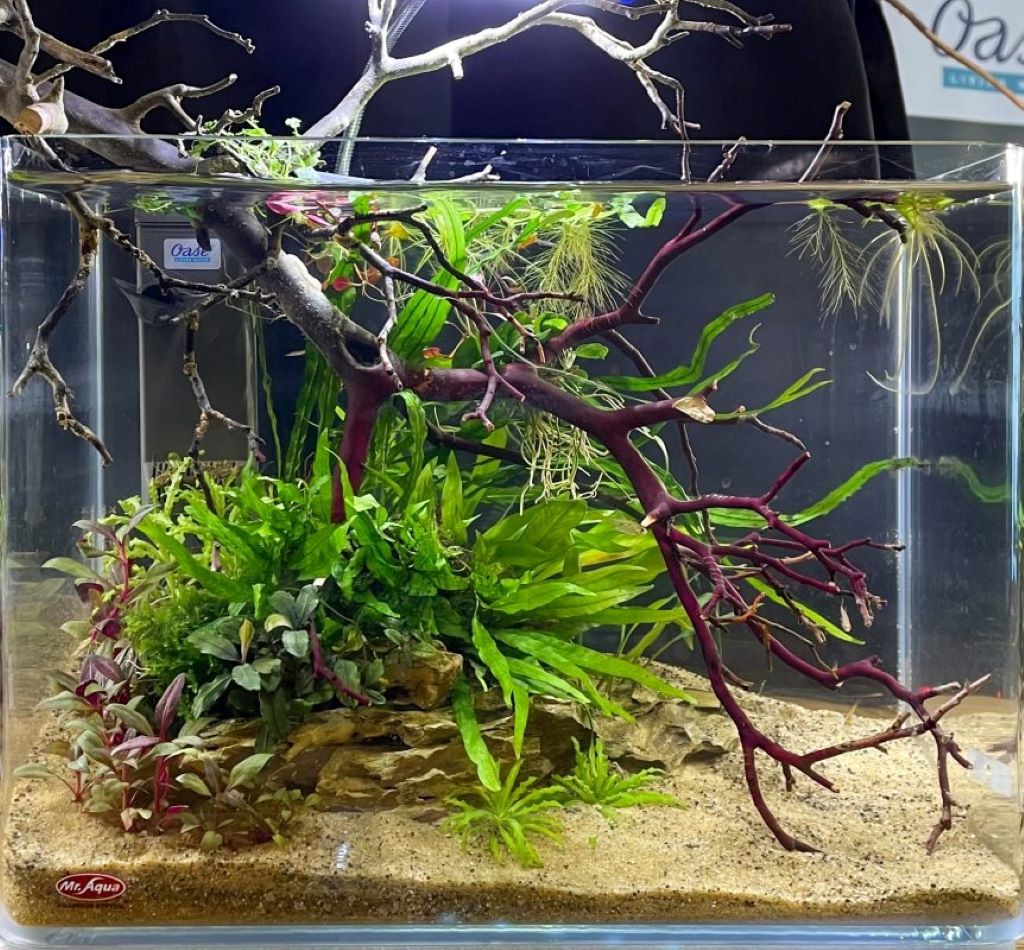
Lighting options abound, from fluorescent to LED systems, each catering to specific plant needs. Selecting the right type ensures optimal photosynthetic performance and minimal energy waste.
Popular Lighting Options
- Fluorescent Lights: Cost-effective and suitable for low-light setups.
- LED Systems: Energy-efficient with customizable spectrums tailored for planted tanks.
- Metal Halides: Ideal for advanced aquascaping, providing high-intensity lighting.
Adjusting Aquarium Lighting Schedules for Seasonal Changes
Plants in nature experience seasonal variations in light. Emulating this natural fluctuation can enhance growth rates and mimic authentic environmental conditions.
Spring and Summer:
Provide 10-12 hours of light with higher intensity to simulate longer days.
Fall and Winter:
Reduce light exposure to 8-10 hours to emulate shorter days, which can encourage plant dormancy and recovery.
Overcoming Common Lighting Challenges
Small Fish Tank Decorations: Unique Ideas to Bring Your Aquarium to Life
Managing an aquarium’s lighting schedule involves overcoming hurdles like algae control and equipment reliability.
Combating Algae Growth
- Use timers to maintain consistent light schedules.
- Incorporate algae-eating species like Otocinclus Catfish.
- Regularly clean lighting fixtures to prevent light obstruction.
Ensuring Equipment Longevity
- Clean light fixtures weekly.
- Replace bulbs every 6-12 months to maintain intensity.
- Invest in programmable lighting systems for precision.
You Might Enjoy: Small Fish Tank Decorations: Unique Ideas to Bring Your Aquarium to Life
FAQs
How many hours of light do aquarium plants need?
Most aquarium plants require 8-12 hours of light daily, depending on their species and light intensity preferences.
Can I leave aquarium lights on all day?
No. Excessive lighting can lead to algae overgrowth and stress plants and fish. Timed schedules are crucial.
What type of light is best for plant growth?
LED lights with a full spectrum are ideal, as they provide the necessary wavelengths for photosynthesis while being energy-efficient.
How can I control algae while maintaining proper lighting?
Maintain a consistent light schedule, avoid overfeeding fish, and include algae-eating species in your tank.
Is a midday lighting break necessary?
Yes. It helps prevent algae blooms by disrupting their growth cycle without affecting plant health.
Why is my aquarium water turning green?
Excessive light combined with high nutrient levels often causes algae blooms, leading to green water.
Conclusion
Achieving a thriving planted aquarium hinges on mastering aquarium lighting schedules for plant growth. From selecting the right lights to fine-tuning exposure durations, every detail contributes to a balanced, vibrant underwater habitat.