

Printing remains a major operational expense for many companies, even in today’s digital-first environment. Research shows that businesses can waste up to 30% of their print budget through inefficient printing habits and poor toner decisions. Many offices focus only on printer prices, yet toner expenses often exceed the original hardware cost over time. Smart businesses now reduce unnecessary spending by choosing toner products strategically and improving print management practices. As companies search for cost-efficient office systems, toner optimization has become an important part of financial planning.
Modern offices print invoices, contracts, reports, labels, and marketing materials every day. However, many managers ignore how toner selection affects long-term operating costs. Businesses that understand toner yield, printer compatibility, and print efficiency often save thousands of dollars annually. In addition, environmentally conscious toner choices reduce waste and improve workplace sustainability. Smart toner management supports both financial savings and operational efficiency.
Why Toner Costs Matter More Than Most Businesses Realize
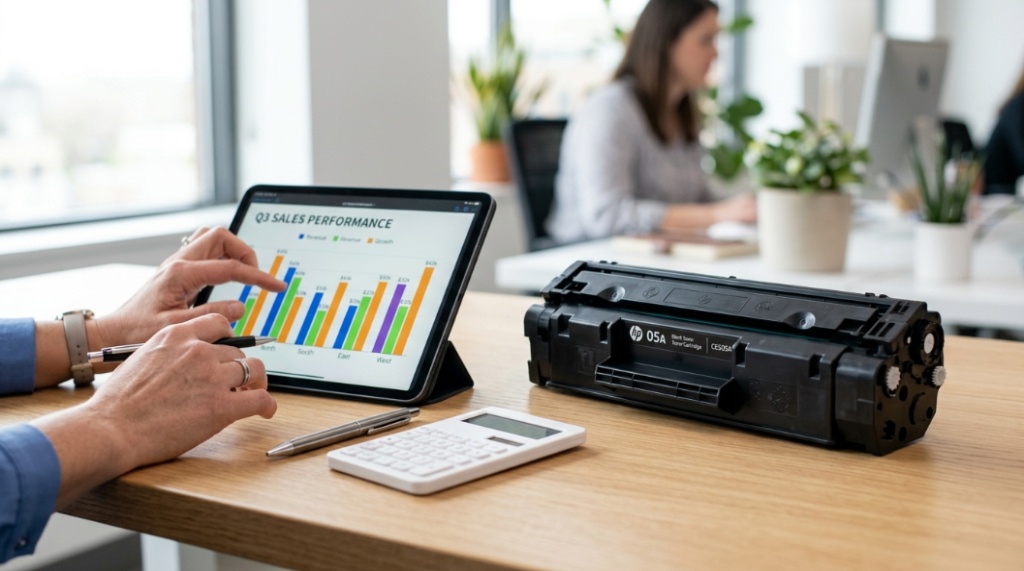
Many companies underestimate how quickly printing expenses grow during normal operations. While printers usually represent a one-time investment, toner requires constant replacement throughout the year. High-volume offices often spend far more on cartridges than on the printers themselves. Therefore, choosing the wrong toner can quietly damage business profitability over time.
Small businesses especially benefit from understanding toner economics early in their growth stage. Companies that regularly handle shipping operations often improve workflow by using systems explained in mobile Bluetooth label printing solutions. Efficient printing systems reduce wasted pages, toner overuse, and unnecessary downtime. Moreover, portable printing setups help field teams and warehouse staff work faster. Better infrastructure naturally lowers long-term toner consumption.
Office environments also influence printing expenses more than most people expect. Dry climates can cause static buildup inside printers, while humid regions may create toner clumping issues. These environmental conditions sometimes reduce cartridge lifespan and print quality. Businesses that match toner products with local environmental conditions often experience fewer printing failures.
Smart companies also analyze employee printing behavior before changing suppliers or equipment. Excessive color printing, duplicate copies, and unnecessary drafts frequently waste toner every day. Managers who establish printing policies often reduce monthly toner costs significantly. Even small workflow improvements create measurable savings over time.
Understanding Toner Yield and Real Printing Costs
Toner yield refers to the estimated number of pages a cartridge can print before replacement becomes necessary. Unfortunately, many businesses focus only on cartridge price instead of actual cost per page. A cheaper toner cartridge may produce fewer pages and increase long-term expenses. Therefore, smart businesses calculate printing efficiency instead of shopping based only on upfront cost.
Manufacturers usually estimate toner yield using standardized page coverage tests. However, real-world printing rarely matches those testing conditions exactly. Graphics, dense text, logos, and images consume toner much faster than simple black-and-white documents. Businesses that print marketing materials often require higher-capacity toner solutions for better efficiency.
High-yield toner cartridges usually provide stronger value for medium and large offices. Although these cartridges cost more initially, they reduce replacement frequency and labor interruptions. Employees spend less time changing toner and troubleshooting print issues. Consequently, workflow efficiency improves alongside direct cost savings.
Some businesses now track toner usage through print management software for better decision-making. These systems monitor page counts, toner consumption, and employee printing habits in real time. Managers can identify waste patterns quickly and adjust office printing policies accordingly. Data-driven toner management helps businesses maintain tighter operational control.
Key Factors That Influence Toner Value
- Page yield efficiency
- Print quality consistency
- Compatibility with printer models
- Replacement frequency
- Downtime reduction
- Storage stability in different climates
OEM vs Compatible Toner: Which Saves More Money?
Businesses often debate whether original manufacturer toner or compatible alternatives provide better long-term value. OEM toner cartridges come directly from printer manufacturers and usually guarantee reliable print quality. Compatible cartridges, however, often cost significantly less while offering acceptable performance for many offices. Choosing the right option depends on printing volume, quality needs, and operational priorities.
Companies involved in creative projects sometimes explore modern printing technologies like the features discussed in instant printing innovations. These advancements highlight how print technology continues evolving beyond traditional office environments. Businesses that stay informed about printing trends often make smarter equipment and toner decisions. Better awareness leads to stronger long-term budgeting strategies.
OEM toner usually performs better in high-precision environments such as legal firms, medical offices, and design studios. These industries require consistent print quality and lower risk of cartridge leakage or printer damage. Compatible toner may occasionally create calibration issues in sensitive equipment. Therefore, quality-sensitive businesses often prioritize reliability over lower pricing.
However, many compatible toner suppliers now produce high-quality alternatives that meet professional standards. Reputable third-party manufacturers test cartridges thoroughly before distribution. Businesses that research supplier reputation carefully can often reduce toner expenses without sacrificing performance. Smart procurement strategies create balanced savings and reliability.
Advantages of OEM Toner
- Reliable print quality
- Lower risk of hardware problems
- Better manufacturer support
- Strong consistency across print jobs
Advantages of Compatible Toner
- Lower upfront cost
- Competitive page yield
- Wider budget flexibility
- Useful for high-volume printing operations
The Hidden Cost of Cheap Low-Quality Toner
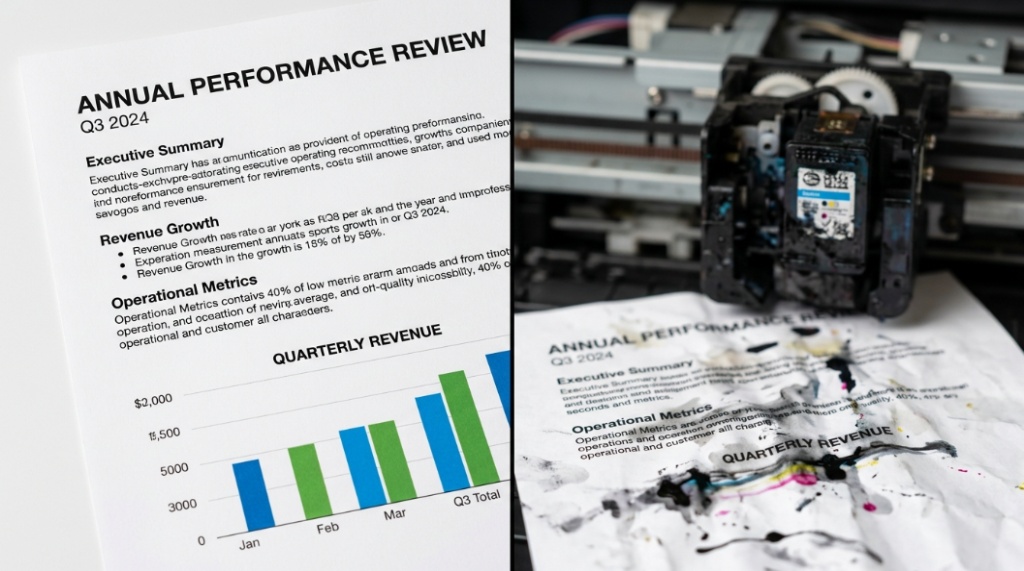
Many businesses make the mistake of choosing the cheapest available toner without evaluating long-term consequences. Extremely low-cost cartridges often contain inconsistent toner powder and poorly manufactured components. These quality issues may cause streaking, faded prints, and printer malfunctions. As a result, businesses lose productivity while facing unexpected repair costs.
Low-quality toner can also damage sensitive printer parts over time. Drum units, rollers, and fusers experience additional stress when poor toner materials circulate through the machine. Frequent maintenance increases operational downtime and technician expenses. Consequently, initial savings disappear quickly after repeated equipment problems.
Another overlooked issue involves toner dust contamination inside office environments. Inferior cartridges sometimes leak fine toner particles during heavy printing sessions. These particles affect air quality and create cleanup challenges around office equipment. Businesses that prioritize workplace cleanliness often avoid unreliable toner suppliers.
Cheap toner also creates hidden branding risks for customer-facing documents. Faded invoices, blurry reports, and inconsistent graphics reduce professional credibility. Clients often judge businesses based on presentation quality, even during routine transactions. Therefore, toner quality directly influences brand perception in many industries.
How Smart Businesses Reduce Waste Through Print Policies
Efficient toner management involves more than selecting the right cartridge supplier. Smart businesses also implement internal printing policies that reduce unnecessary waste. Employees frequently print emails, duplicate files, and nonessential drafts without considering costs. Clear office guidelines encourage more responsible printing habits across teams.
Many organizations now default printers to duplex printing for automatic paper and toner savings. Double-sided printing reduces page consumption significantly during large print jobs. Additionally, grayscale printing lowers expensive color toner usage for routine documents. Small settings changes often create surprisingly large annual savings.
Businesses also benefit from establishing secure print release systems in shared offices. Employees retrieve documents only after confirming print jobs at the printer itself. This process prevents abandoned pages and accidental duplicate printing. Reduced waste directly extends toner cartridge lifespan.
Remote and hybrid work environments create new opportunities for smarter printing management. Cloud-based print monitoring allows businesses to control toner usage across multiple locations. Managers can track printing trends and optimize supply distribution more effectively. Centralized oversight improves both efficiency and budgeting accuracy.
Effective Print Policy Strategies
- Enable duplex printing by default
- Limit unnecessary color printing
- Use draft mode for internal documents
- Monitor departmental printing habits
- Schedule preventive printer maintenance
The Overlooked Role of Climate in Toner Performance
One uncommon yet important factor involves how climate affects toner performance and cartridge longevity. Offices located in humid tropical regions often experience toner clumping and paper moisture issues. Extremely dry climates may create static buildup that affects print consistency. Smart businesses adapt toner storage practices according to environmental conditions.
Temperature fluctuations also influence toner stability during transportation and storage. Warehouses without climate control may accidentally damage toner cartridges before installation. Businesses that purchase toner in bulk should store inventory in cool and stable environments. Proper storage preserves print quality and reduces waste from damaged supplies.
Dusty industrial locations create additional challenges for printing equipment and toner systems. Airborne particles enter printers and interfere with toner transfer mechanisms over time. Companies operating in manufacturing zones often require more frequent cleaning schedules. Preventive maintenance reduces breakdowns and improves toner efficiency.
Coastal businesses face unique humidity-related printing issues throughout the year. Salt-rich moisture may gradually affect printer electronics and cartridge performance. Offices near oceans often benefit from dehumidifiers and enclosed printer stations. Environmental adjustments help maintain stable toner performance in difficult climates.
Bulk Purchasing and Subscription Models for Toner Savings
Many businesses reduce printing expenses through bulk toner purchasing agreements. Large-volume purchases usually lower per-cartridge pricing while improving supply availability. Companies avoid emergency purchases that often come with inflated prices and shipping fees. Predictable inventory management supports smoother business operations.
Subscription-based toner delivery services have also become popular among growing businesses. These services automatically ship replacement cartridges based on actual printer usage. Automated supply management reduces downtime caused by unexpected toner shortages. Employees spend less time tracking inventory manually.
However, businesses should evaluate subscription contracts carefully before committing long term. Some providers lock customers into restrictive agreements with limited cartridge flexibility. Smart businesses compare total annual costs instead of focusing only on monthly pricing. Transparent contracts usually provide stronger long-term value.
Organizations with multiple office locations often negotiate enterprise-level toner agreements directly with suppliers. Centralized purchasing increases bargaining power and standardizes printing operations across departments. Consistent toner systems simplify employee training and technical support. Larger organizations frequently save substantial amounts through procurement optimization.
Choosing Energy-Efficient Printers Alongside Better Toner
Toner optimization works best when paired with energy-efficient printing hardware. Older printers often consume more toner due to outdated calibration systems and inefficient print engines. Modern laser printers improve toner precision while reducing waste during operation. Businesses upgrading equipment often notice immediate cost improvements.
Energy-efficient printers also lower electricity expenses during heavy daily usage. Offices running multiple devices benefit significantly from lower power consumption. Additionally, newer printers usually support advanced toner-saving features automatically. Technology upgrades strengthen both environmental sustainability and operational savings.
Some businesses now select printers specifically designed for high-yield toner compatibility. These systems maximize cartridge efficiency and reduce replacement frequency. Specialized business printers also provide stronger reliability during large print jobs. Better hardware and better toner create a highly efficient printing ecosystem.
Managed print service providers often help businesses evaluate their full printing infrastructure objectively. Professional audits identify waste patterns, outdated devices, and unnecessary printing practices. Companies frequently discover hidden savings opportunities during these assessments. Strategic improvements reduce both direct and indirect printing costs.
Conclusion
Smart businesses understand that toner choices influence much more than simple printing expenses. The right toner strategy improves efficiency, reduces waste, protects equipment, and strengthens long-term profitability. Companies that analyze toner yield, print habits, climate conditions, and supplier quality usually outperform competitors in operational cost control. Additionally, businesses that continue learning about modern printing technologies through resources like advanced instant printing systems stay better prepared for future workplace demands. Start evaluating your toner strategy today to reduce hidden printing costs and improve office productivity.
FAQs
How can businesses lower toner expenses quickly?
Businesses can reduce toner costs by using high-yield cartridges and enabling duplex printing.
Is compatible toner safe for office printers?
High-quality compatible toner from trusted suppliers usually works safely in most printers.
Why does climate affect toner performance?
Humidity, heat, and dust can reduce toner quality and create printing problems over time.
Do print management systems really save money?
Yes, print monitoring software helps businesses reduce waste and control toner usage efficiently.