Looking for reliable Miami lawn maintenance that goes beyond just mowing? Say goodbye to patchy grass, pests, and stubborn lawn diseases. Our expert team delivers targeted pest and disease control that actually works—leaving your lawn healthy, green, and thriving year-round. Whether you’re dealing with chinch bugs, brown patches, or fungal spots, we’ve got the proven solutions and local know-how to restore your lawn’s beauty fast. Trust Miami’s lawn care pros to protect your yard—starting today.
Understanding the Miami Lawn Environment
Miami’s climate, while ideal for year-round outdoor living, creates a breeding ground for turf problems. The region experiences high temperatures, heavy rainfall, and elevated humidity levels. According to the University of Florida’s IFAS Extension, these conditions are ideal for fungi and pest outbreaks. The combination of warm soil and moisture accelerates the growth of pathogens and attracts insects like grubs, armyworms, and mole crickets.
Lawn varieties like St. Augustinegrass, Bermuda, and Zoysiagrass—common in Miami—are particularly vulnerable. Each type requires specific maintenance, making a one-size-fits-all approach ineffective.
Top Lawn Pests in Miami
Several aggressive pests cause massive lawn damage across South Florida:
- Chinch Bugs: Thrive in hot, dry areas of St. Augustinegrass. They suck plant juices, leaving yellow-brown patches that mimic drought.
- Armyworms: These caterpillars can destroy large sections of grass overnight.
- Grubs: These beetle larvae feast on roots, leading to weak, spongy turf.
- Mole Crickets: They tunnel beneath the surface, uprooting grass and causing patchiness.
Chinch bugs alone cause millions in lawn damage annually in Florida, according to Pest Control Technology Magazine. Left untreated, infestations spread rapidly.
Most Common Lawn Diseases in Miami
Turf diseases can be harder to detect than pests, often hiding until serious damage appears. In Miami, common issues include:
- Brown Patch Fungus: Leaves circular brown areas with a dark border, most active in cool-season months.
- Dollar Spot: Small silver-dollar-sized patches that expand over time. It thrives in under-fertilized lawns.
- Grey Leaf Spot: Affects St. Augustinegrass in warm, moist conditions.
- Root Rot: Caused by overly saturated soil, it prevents nutrients from reaching the plant.
According to the University of Florida, improper watering and mowing practices often trigger these diseases. Fungal spores spread quickly through wind and water droplets, particularly during the wet summer season.
How to Prevent Pest and Disease Outbreaks
The best defense is a proactive strategy. Smart homeowners implement integrated lawn care systems focused on prevention, not just reaction.
- Proper Mowing Techniques
Keep grass at recommended heights—typically 3 to 4 inches for St. Augustinegrass. Mowing too short weakens the root system, making it more vulnerable. - Balanced Fertilization
Overfertilizing promotes lush growth that attracts pests and fungi. Underfertilizing leaves the lawn malnourished. Aim for a slow-release nitrogen source, applied 3–4 times annually. - Scheduled Irrigation
Lawns need about 1 inch of water weekly, including rainfall. Overwatering is a common mistake in Miami. Use smart irrigation systems to adjust based on weather. - Seasonal Pest Monitoring
Regular inspections—especially during peak summer—can catch infestations early. Many Miami lawn service providers offer pest surveillance as part of their maintenance packages. - Core Aeration & Soil Testing
Aerating the lawn once a year improves oxygen and nutrient absorption. Soil testing ensures pH levels are ideal, which helps fight off diseases naturally.
Professional Solutions vs. DIY: What Works Best?
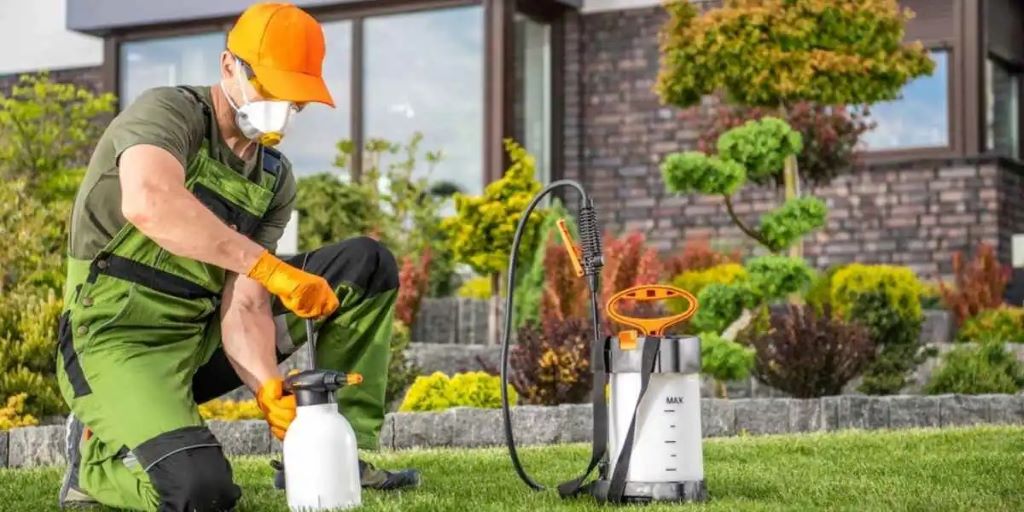
Many homeowners try DIY methods to save costs. However, without proper knowledge, they risk worsening the problem. Misapplied fungicides or insecticides can burn turf, pollute groundwater, and kill beneficial insects.
Professional lawn care companies, such as TruGreen and Native Pest Management, use tailored, eco-conscious solutions based on lab-tested soil and grass health. A LawnStarter report found that professionally treated lawns in Miami had 47% fewer issues year-round than DIY-maintained ones.
That said, DIY is not entirely off the table. Homeowners with smaller yards who stay informed and consistent can still manage effective Miami lawn maintenance: pest & disease care—especially when they use university-backed resources like UF IFAS.
The Cost of Ignoring Pest and Disease Management
Neglecting lawn issues doesn’t just hurt curb appeal. It can lead to serious costs. Replacing a lawn in Miami can range from $1,500 to over $5,000 depending on size and sod type. Moreover, pest outbreaks can spread to ornamental plants and even infiltrate homes.
According to the Florida Department of Agriculture, unmonitored infestations can increase pest control costs by over 30% due to the need for extensive treatment.
Sustainable and Eco-Friendly Lawn Care in Miami
With environmental concerns on the rise, many Miami residents are turning to organic lawn care. Natural methods include:
- Neem oil or diatomaceous earth for pest control.
- Compost tea for boosting beneficial microbes.
- Organic fertilizers like alfalfa meal or seaweed extracts.
While these methods may take longer to show results, they’re safer for children, pets, and the Biscayne Bay ecosystem.
Miami Lawn Maintenance: Pest & Disease Care in Hurricane Season
Hurricane season adds another layer of complexity. Heavy winds and rain can bring new pests and spread disease spores. After storms, inspect lawns for pooled water, fallen debris, and fungal signs. Quick cleanup and fungicide application can prevent secondary outbreaks.
FAQs
- What’s the best time of year for Miami lawn maintenance pest & disease care?
Spring and summer are peak seasons. However, winter and fall are critical for disease prevention. - How can I tell if my lawn has a pest or a disease?
Pests cause chewing damage and irregular patches. Diseases often cause spots, discoloration, or circular dead zones. - Are chemical treatments safe for pets?
Most modern treatments are pet-safe once dried. Always follow product labels or hire certified professionals. - Can I prevent lawn diseases without chemicals?
Yes. Proper mowing, irrigation, and organic composting can significantly reduce disease risk. - Do Miami lawns need fungicide every year?
Not necessarily. Use fungicides only when symptoms appear or risk is high, based on moisture and temperature trends. - How often should I inspect my lawn for pests?
Monthly inspections are recommended. Weekly during summer can catch outbreaks early. - What’s the best grass type for disease resistance in Miami?
Zoysiagrass offers good resistance but requires less water than St. Augustinegrass, which is more disease-prone.
Final Thought
Miami Lawn Maintenance: Pest & Disease Care isn’t just about appearances. It’s about preserving your investment, protecting your environment, and enhancing your outdoor lifestyle. With proactive care, expert guidance, and a tailored strategy, Miami homeowners can enjoy vibrant, pest-free lawns that thrive—even in the face of heat, humidity, and hurricanes.
Whether you’re going the DIY route or hiring professionals, one thing remains clear: consistent and informed lawn care is the key to success in South Florida.
Read More:
How to Turn your Garden from Cluttered Jungle to a Garden to be Proud of
Landscaping Your Garden for a Fall Leaf-Filled Haven: Practical Tips and Creative Ideas