You are standing in a sprawling Colorado hardware store, staring at a wall of ropes. Some are soft and pliable; others are stiff and rough. Your project demands something that can handle constant UV exposure, heavy loads, and the occasional sharp rock edge. Without the right guidance, you will waste money on a rope that frays, snaps, or degrades within months. In a state where outdoor work is relentless and altitude accelerates wear, finding truly durable ropes Colorado requires understanding material science, local conditions, and application-specific needs. This guide strips away the marketing fluff and gives you the exact criteria for selecting a rope that will survive Colorado’s harsh environment.
What Makes a Rope Truly Durable in Colorado’s Climate?
UV Resistance Is Non-Negotiable at High Altitude
Colorado receives up to 300 days of sunshine per year, and UV radiation increases roughly 10% for every 1,000 feet of elevation gain. At Denver’s 5,280-foot altitude, ropes see 50% more UV damage than at sea level. Polypropylene ropes can fail within weeks under constant Colorado sun. Look for ropes made from polyester, Dyneema, or UV-stabilized nylon. A good rule: if the rope feels fuzzy after three months of outdoor storage, it lacks proper UV inhibitors.
Dry Climate Accelerates Material Degradation
Colorado’s average relative humidity hovers around 35-45%, compared to 70%+ in coastal states. This dryness causes natural fibers like manila or sisal to become brittle and lose tensile strength. Synthetic fibers fare better, but even nylon can dry out and crack over time. The solution is to choose ropes with moisture-resistant coatings or blends that retain flexibility in arid conditions.
Temperature Extremes Stress Rope Fibers
Winter temperatures in the mountains can drop to -20°F, while summer asphalt in Denver hits 140°F. This 160-degree swing causes thermal expansion and contraction that weakens inferior ropes. High-quality polyester maintains 90% of its strength across this range, while polypropylene becomes dangerously stiff below freezing and softens above 150°F. Always check the operating temperature range on the manufacturer’s spec sheet.
Which Rope Materials Perform Best for Colorado Applications?
Polyester: The All-Around Champion for Outdoor Use
Polyester leads the pack for general-purpose durability in Colorado. It resists UV degradation better than nylon, does not stretch significantly under load, and maintains flexibility in cold weather. A ½-inch polyester static rope can hold over 6,000 pounds and lasts 5-7 years with proper care. Best uses: towing, cargo securing, camping tents, and general rigging.
Nylon: Superior Shock Absorption but Lower UV Resistance
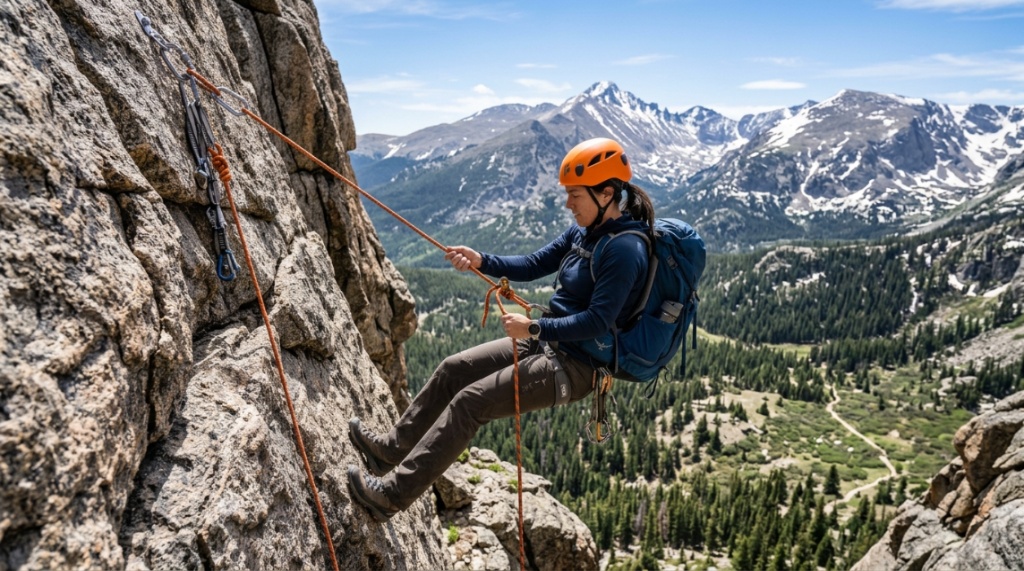
Nylon absorbs impact loads better than any other common rope material, making it ideal for climbing, rescue operations, and dynamic applications. However, standard nylon loses 20-30% of its strength after six months of Colorado sun exposure. If you need nylon’s shock-absorbing properties, choose a brand that adds UV stabilizers or plan to replace it annually.
Polypropylene: Lightweight but Short-Lived
Polypropylene floats, resists chemicals, and costs less than other options. Unfortunately, it degrades rapidly under UV light and loses strength when cold. Use polypropylene only for temporary applications like pool floats, dock lines in shaded marinas, or one-time construction pulls. Avoid it for anything permanent in Colorado.
Dyneema and HMPE: High-Strength Specialists
Dyneema (also called HMPE) is 15 times stronger than steel by weight and has excellent UV resistance. It costs 3-5 times more than polyester but delivers unmatched performance for winch lines, tow straps, and heavy lifting. The trade-off: Dyneema is very slippery and requires specific knots or splicing techniques. If your project demands maximum strength in minimal diameter, this is your choice.
How Do You Assess Rope Quality Before Buying?
Check the tensile strength rating.
Manufacturers test ropes and label them with breaking strength in pounds or kiloNewtons. For general Colorado use, a minimum breaking strength of 5,000 pounds for ½-inch rope is a good baseline. Look for ropes with a safety factor of 5:1 (that is, rated for loads no higher than one-fifth of breaking strength). Reputable brands always include this data on the packaging or spec sheet.
Inspect the Construction Type
Three-strand twisted ropes are common and inexpensive, but they kink and unravel under load. Braided ropes (double braid or kernmantle) offer superior durability, less stretch, and better resistance to abrasion. For heavy-duty Colorado use, double-braid polyester or kernmantle nylon is the gold standard. Avoid cheap twisted ropes for anything requiring reliability.
Examine the Sheath-to-Core Ratio
In kernmantle construction, the outer sheath protects the inner core. A good ratio is 30% sheath to 70% core for general purpose, or 50/50 for climbing ropes. If the sheath is thin, the core will expose quickly when dragged over rocks or concrete. Run your hand along the rope if you feel bulges or thin spots, the manufacturing quality is poor. Rope applications transition from outdoor utility and climbing ropes to high-intensity functional fitness gear.
Where Should You Buy Durable Ropes in Colorado?
Local Outdoor Specialty Stores Offer Expert Advice
Stores like REI, Bent Gate Mountaineering, and Neptune Mountaineering employ staff who understand Colorado’s unique conditions. They can recommend ropes specifically tested in local environments. The downside: prices are higher, and selection focuses on climbing and camping rather than industrial use.
Hardware Chains Provide Convenience but Variable Quality
Home Depot, Lowe’s, and Ace Hardware carry ropes for general consumers. You will find good options like Yale Cordage or Samson brands alongside generic imports. Stick to name brands and check the packaging for UV and temperature ratings. Avoid unlabeled rolls sold by the foot, as their origin and specs are unknown.
Online Retailers Offer Better Pricing and Selection
For durable ropes Colorado residents trust, online suppliers like Yifarope provide detailed technical specifications, customer reviews, and competitive pricing. You can filter by material, diameter, breaking strength, and UV resistance. The key benefit: access to industrial-grade ropes not stocked in local stores. Order sample lengths before committing to large purchases.
How Should You Store Ropes to Maximize Lifespan?
Keep Ropes Out of Direct Sunlight When Not in Use
Even UV-stabilized ropes degrade slowly in constant sun. Store ropes in a garage, shed, or UV-blocking bag. If you leave a rope coiled on a tailgate for a week, expect noticeable strength loss in the outer layers. A simple canvas rope bag costs $20 and doubles the usable life of your rope.
Clean and Dry Ropes Before Storage
Dirt and grit act like sandpaper, wearing down fibers during storage and use. Rinse ropes with fresh water after exposure to mud, salt, or chemicals. Let them dry completely before coiling, because moisture trapped inside promotes mildew and rot. Colorado’s dry air helps, but always check that the core is dry, especially after washing.
Use Proper Coiling Techniques
Figure-eight coils prevent kinks and tangles that create weak points. Never store ropes in loose piles or tightly wound bundles that cause permanent bends. Hang coils on wide pegs to distribute weight evenly. A tangled rope is a weakened rope: untangling creates micro-fractures that reduce lifespan.
Can you repair damaged ropes, or should you replace them?
Minor Surface Fraying Is Often Fixable
If only the outer sheath shows fuzz or light wear, you can trim loose fibers and continue using the rope for non-critical tasks. Apply a flame to synthetic fibers to melt and seal the ends, preventing further unraveling. This is acceptable for utility cords, tent lines, or general camping use where failure is not dangerous.
Core Damage Requires Immediate Replacement
If you can compress the rope and feel a soft or flat spot, the core is compromised. Never use a rope with visible core damage for lifting, towing, or climbing. The rule of thumb: if you would be injured by a failure, replace the rope. A $30 rope is not worth a hospital visit.
Chemical Exposure Is a Dealbreaker
Ropes exposed to battery acid, hydraulic fluid, bleach, or strong solvents lose strength even if they look fine. If you suspect chemical contact, retire the rope immediately. Mark it “for decoration only” and buy a replacement. Colorado’s construction and mining sectors see this regularly, so be diligent about tracking chemical exposures.
What Are the Best Rope Lengths and Diameters for Common Colorado Tasks?
Camping and Tarp Setup: 30 Feet of 1/4-Inch Polyester
This length covers most campsite needs, from ridgelines to bear bags. Quarter-inch diameter is strong enough for lightweight loads (over 1,000 pounds breaking strength) while being light and packable. Polyester avoids the stretch issues of nylon when wet, keeping tarps taut during afternoon thunderstorms.
Towing and Recovery: 50 Feet of 1/2-Inch Double-Braid Polyester
Standard tow straps are 20 feet, but Colorado’s rugged terrain often requires longer reach. Fifty feet gives you flexibility for winching, snatch block setups, or pulling vehicles from ditches. Double-braid construction provides the abrasion resistance needed against rocks and pavement. Ensure the breaking strength exceeds your vehicle’s gross weight by at least 2:1.
Homeowner and Ranch Use: 100 Feet of 3/8-Inch Nylon
One hundred feet handles most ranch chores: dragging logs, securing loads on flatbed trailers, or creating temporary fences. Three-eighths inch diameter balances strength and flexibility. Nylon’s elasticity helps absorb shock if a load slips. Expect to replace this rope every 2-3 years under Colorado sun exposure.
Industrial and Arborist Work: 150 Feet of 1/2-Inch Kernmantle
Professional users need long lengths for tree work, rigging, or construction. Kernmantle construction provides the best combination of low stretch, high strength, and UV resistance. Choose a rope with a breaking strength over 10,000 pounds. Arborists in Colorado’s pine forests often prefer this type for its cut resistance against bark and branches.
How Do You Test a Rope’s Condition Without Specialized Equipment?
The Visual Inspection
Hold the rope against a light source and look for uneven gaps, flattened areas, or discoloration. Consistent color and uniform diameter suggest good condition. Yellowing indicates UV damage; powdery residue means dry rot. If it looks questionable, test further or replace it.
The Flex Test
Bend the rope sharply around a corner, like a table edge. If fibers crack, snap, or feel crunchy, the rope has lost flexibility and should be retired. A healthy rope remains supple even when tightly bent. Perform this test in three different spots along the length, especially near knots and contact points.
The Load Test
For ropes used in non-critical applications, tie a known safe load (e.g., 200 pounds for a 1,000-pound rated rope) and observe for stretching or fiber noise. Any creaking or popping sounds indicate internal damage. If it passes, you can use it with caution for light tasks. Never test a rope near its rated limit without professional supervision.
Frequently Asked Questions
What is the best all-purpose rope for Colorado’s climate?
Polyester double-braid rope is the best all-purpose choice for Colorado. It resists UV damage, stays flexible in cold and heat, does not stretch excessively, and maintains strength in dry conditions. A ½-inch diameter works for most tasks from camping to light towing.
How often should I replace ropes used outdoors in Colorado?
Replace outdoor ropes every 2-3 years for regular use, annually for heavy UV exposure or high-stress applications like towing. Climbing ropes should be replaced after one season or any major fall. Inspect ropes monthly for signs of wear.
Can I use polypropylene ropes in Colorado?
Polypropylene ropes are not recommended for permanent or important uses in Colorado. They degrade rapidly under UV light, become brittle in cold weather, and lose strength quickly. Use them only for temporary, non-critical tasks like pool markers or light shade structures.
Is nylon or polyester better for Colorado rope?
Polyester is better for most Colorado applications because of its superior UV resistance and low stretch. Nylon is better only when you need shock absorption, such as climbing or tow ropes where sudden loads occur. Choose polyester for general use and nylon for dynamic loads.
How do I prevent my rope from fraying on rocky terrain?
Use edge protection like leather sleeves, rubber hose pieces, or purpose-built rope protectors. Choose double-braid or kernmantle construction for better abrasion resistance. Inspect and rotate the rope regularly to distribute wear evenly across its length.
What rope length should I buy for general outdoor work?
A 100-foot coil of 3/8-inch polyester or nylon rope covers most general outdoor tasks in Colorado. It is long enough for towing, camping, ranch work, and light rigging, while still being manageable for storage and transport. Buy longer if you plan large-scale projects.
Where can I buy high-quality durable ropes in Colorado?
You can purchase durable ropes at outdoor specialty stores like REI, hardware chains like Home Depot, or online retailers that offer technical specs and competitive pricing. For the best selection and industrial-grade options, check specialized rope suppliers who understand Colorado’s demanding conditions.
Focusing on material selection, proper storage, and realistic replacement schedules will save you money and prevent dangerous failures. Colorado’s environment is beautiful but unforgiving. Choose ropes that can handle the altitude, the sun, and the dry air, and you will complete every project safely and efficiently.