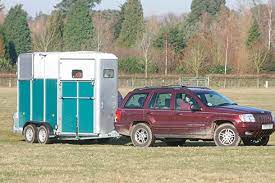
Mistakes People Make When Buying a Trailer
When buying a trailer, there are many mistakes that people make that can be expensive to correct. If you are a new trailer owner or an experienced one, these mistakes can cost you money.

Peoples Choice
When buying a trailer, there are many mistakes that people make that can be expensive to correct. If you are a new trailer owner or an experienced one, these mistakes can cost you money.
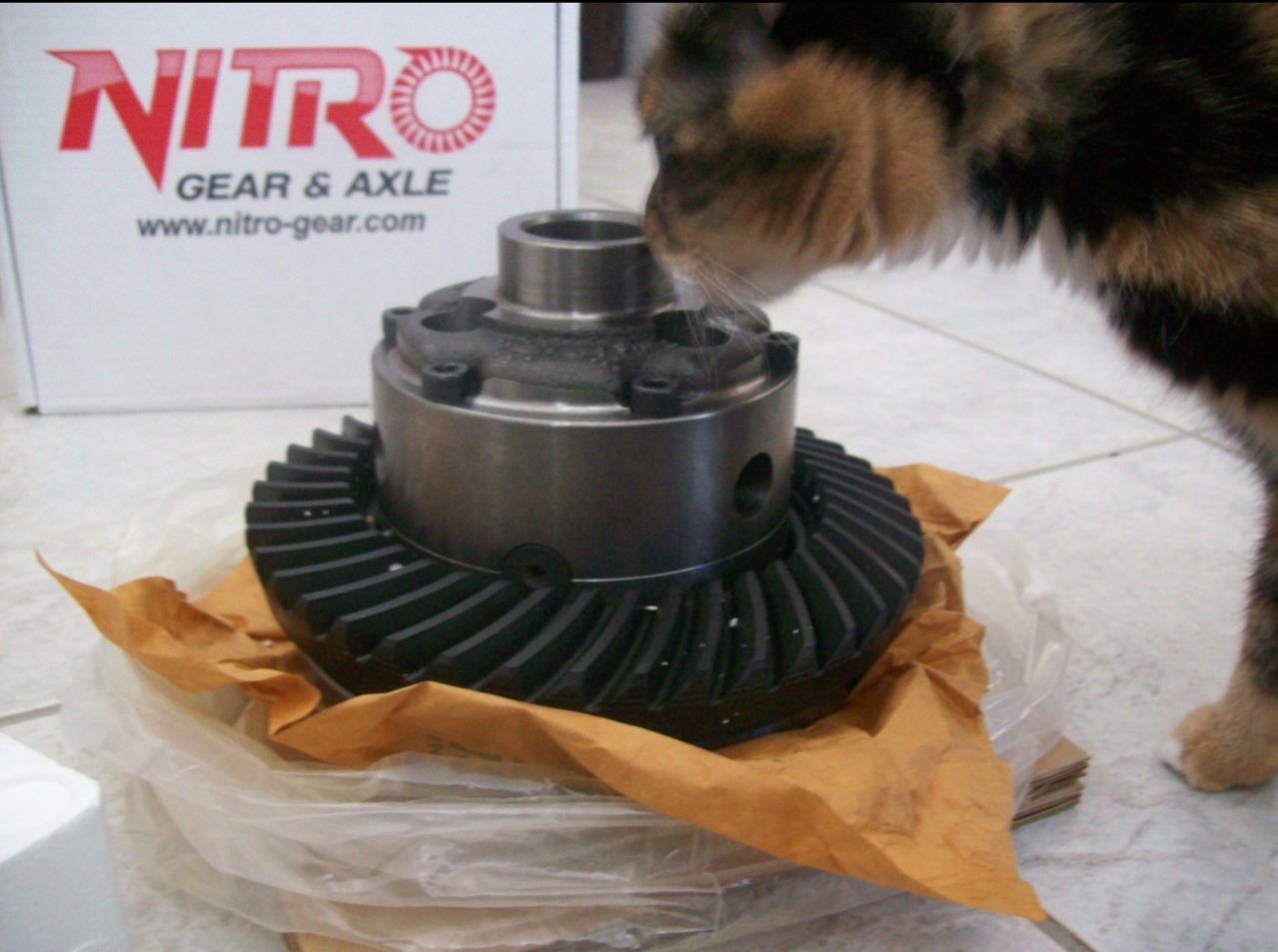
If you want to know if your truck has limited slip, it’s pretty simple. All you need is a jack and stands and a transmission in neutral. The first step is to unlock the rear hubs by removing the lug nuts. Next, place two jacks under each end of your vehicle until it’s level on all four tires. Then put the transmission in neutral so that all four wheels aren’t spinning at different speeds due to slippage or torque converter lockup (which can happen with some automatic transmissions). Now spin each tire separately while making sure that they all spin at the same speed together, if they do not then you have limited slip!
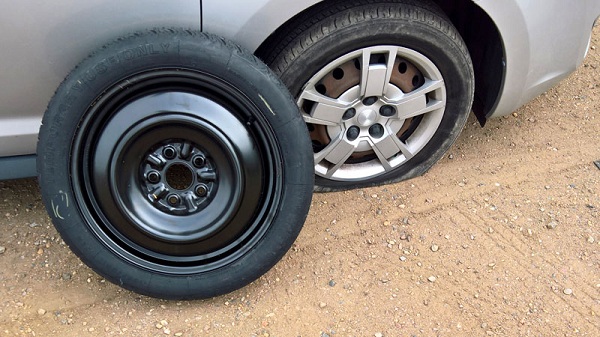
Driving a car is a privilege that most people take for granted. But, unfortunately, there are still many areas in the United States where roads and highways aren’t well maintained or simply don’t exist. To be prepared when you find yourself stranded on one of these back roads, it’s important to know how long you can drive with your spare tire before having to replace it. At least every 5 years from the date of manufacture, all cars should have their tires rotated and checked for proper inflation levels.
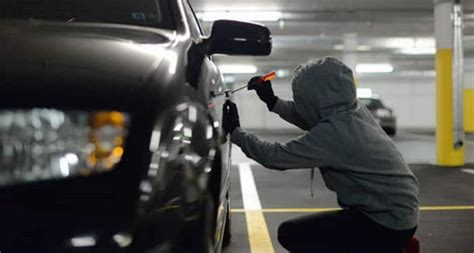
Think that car theft is no longer a problem thanks to better technology? Unfortunately, theft of vehicles is still a major problem. Here are some truly astounding facts about car theft from around the world:

Many times it happens that we are on our way to our destination and we begin to perceive a strong smell of burned oil that on several occasions is accompanied by smoke. This normally happens when there is a leak that goes to the engine and it burns and although it is not important, it is a fault that must be reviewed by a specialist.
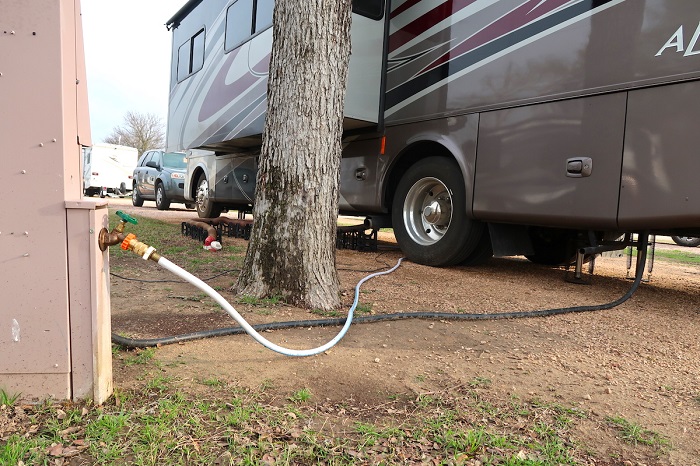
There are three types of tanks that can be installed as a holding tank for an RV. The first type of tank allows you to have fresh water for drinking, showering, doing the dishes or washing your toilet. The second type of tank, called a “gray water tank,” contains the sewage from all drains except the toilets. And the last type of tank is a “sewage holding tank”, it contains the liquid and solid waste from the toilet. No matter what type of RV holding tank you want to install, you can complete your RV project with the guide below.

Formula 1 racing is full of thrills and spills – and because of the speed at which the cars travel and the lack of space on the track, it is rare that a race will pass without some kind of incident. Crashes can often result in blockages and debris being strewn across the track. In such instances, it is crucial that safety of the drivers comes first, and to ensure that this is the case, what is known as the safety car is often deployed – with the objective of reducing the speed of the cars on track to a safe level. The safety car is also sometimes deployed if the track becomes waterlogged after heavy rain.

Bugatti pays tribute to EB 110 of 1991 with the Bugatti Centodieci. A model that will only manufacture 10 units at 8 million euros (plus taxes) the unit. Based on the current Bugatti Chiron, with a W16 of 1600 hp and a 0 to 100 km / h in 2.6 seconds.