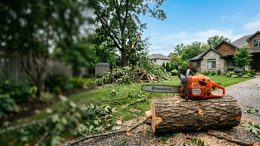
At 2 a.m., after a violent thunderstorm, most homeowners do not realize that the wrong chainsaw choice can turn a simple fallen tree removal job into a dangerous emergency within seconds. A weak saw stalls under pressure. An oversized saw becomes difficult to control. Choosing the right heavy-duty chainsaw for storm cleanup is not about buying the biggest model. It is about matching engine power, bar length, safety features, and cutting conditions to the type of storm debris in your yard. After hurricanes, tornadoes, or severe wind events, emergency yard cleanup often involves wet wood, twisted branches, uprooted trunks, and hidden tension points that standard chainsaws struggle to handle safely.
Storm damage cleanup accidents are more common than many homeowners expect. According to injury reports from chainsaw-related emergency room visits, kickback and improper saw handling remain leading causes of serious injuries during post-storm cleanup. That is why selecting the correct gas chainsaw matters before the first cut begins. Whether you are clearing large oak limbs, cutting storm-fallen pine trees, or handling extensive debris removal, the right tool improves safety, speed, and cutting efficiency while reducing physical strain.
What Is the Best Type of Gas Chainsaw for Storm Damage Cleanup?
The best gas chainsaw for storm damage cleanup is a mid-to-large displacement model with enough power to cut wet hardwood, thick branches, and unstable debris safely.
Storm cleanup requires more than a lightweight trimming saw. Wet wood creates resistance that smaller engines cannot consistently manage. Most homeowners handling emergency yard cleanup need a gas-powered chainsaw between 45cc and 70cc, depending on tree size and workload. Bar length also matters because larger trunks require longer cutting reach.
For homeowners researching reliable cutting equipment, this guide to gas-powered chainsaws built for demanding yard conditions provides useful comparisons for storm cleanup situations.
Here is a quick breakdown:
| Chainsaw Type | Engine Size | Best For | Typical Bar Length |
|---|---|---|---|
| Light-Duty | 30cc–40cc | Small branches and pruning | 12–16 inches |
| Mid-Range | 45cc–55cc | Moderate storm cleanup | 16–20 inches |
| Heavy-Duty Chainsaw | 60cc–70cc+ | Large fallen trees and hardwood | 20–28 inches |
Most storm-damaged yards benefit from a mid-range or heavy-duty model because fallen trees often involve thick trunks and tangled branches under tension.
Why Are Gas Chainsaws Better for Storm Cleanup Than Battery Models?
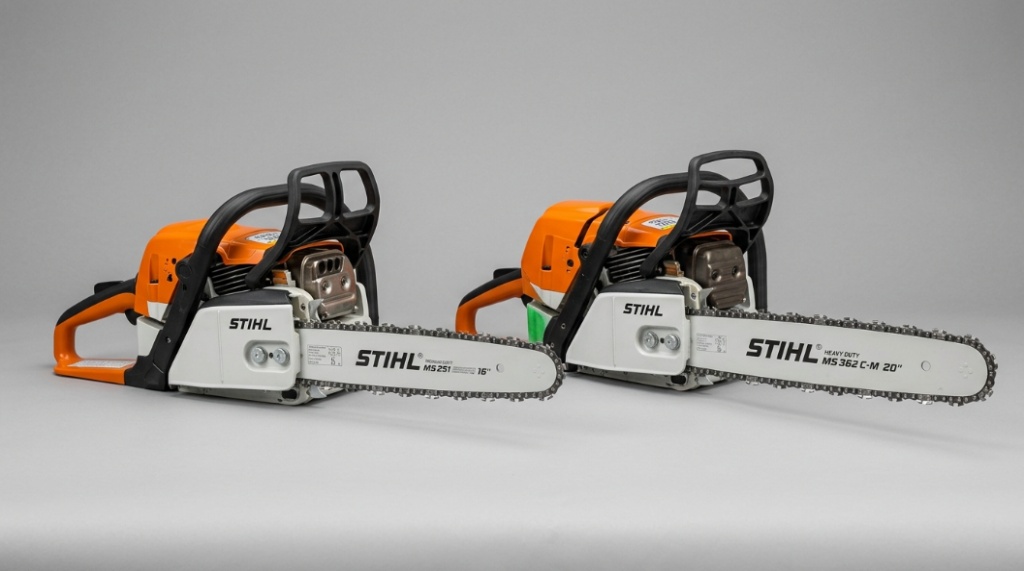
Gas chainsaws provide higher torque, longer runtime, and better cutting consistency during large-scale storm debris removal.
Battery chainsaws work well for light maintenance, but storm recovery demands continuous cutting power. Wet hardwood and large-diameter trunks drain batteries quickly. Gas-powered models also maintain performance during long cleanup sessions without waiting for recharging.
- Higher cutting power for hardwood
- Longer runtime without charging delays
- Better performance in remote areas
- Faster cutting under heavy load
- More reliable during large cleanup projects
How Do You Choose the Correct Chainsaw Bar Length?
The ideal chainsaw bar length depends on the diameter of storm-damaged trees and the type of debris you need to cut.
Many homeowners incorrectly assume longer bars are always better. In reality, oversized bars reduce control and increase kickback risk. A properly sized bar improves balance, precision, and operator safety.
Communities focused on sustainable landscape recovery often encourage careful debris management practices similar to those discussed in eco-friendly outdoor maintenance strategies.
General recommendations include:
- 14–16 inches: Small limbs and branch trimming
- 18–20 inches: Medium fallen trees and yard cleanup
- 20–24 inches: Large hardwood trunks
- 24+ inches: Professional forestry and large storm damage
A chainsaw bar should generally be at least two inches longer than the wood diameter you plan to cut regularly.
What Happens If the Bar Is Too Short?
A short bar forces operators to cut from multiple angles, increasing fatigue and reducing cutting efficiency.
Storm debris often contains twisted wood fibers and uneven pressure zones. Repositioning repeatedly increases the chance of chain binding and unsafe cutting angles.
What Happens If the Bar Is Too Long?
An oversized bar increases kickback risk and makes the saw harder to control during unstable cuts.
Long bars also add extra weight. During emergency yard cleanup, fatigue can quickly become a safety issue, especially when working around damaged trees under pressure.
What Engine Power Do You Need for Fallen Tree Removal?
For most residential fallen tree removal jobs, a 50cc to 60cc engine provides enough balance between power and control.
Storm-damaged wood behaves differently than healthy standing timber. Water-soaked trunks increase cutting resistance significantly. Softwood trees like pine require less engine power than dense hardwood species such as oak, maple, or hickory.
Engine displacement directly affects torque output. More torque means smoother cuts through wet, pressure-loaded wood.
| Engine Size | Recommended Use |
|---|---|
| 35cc–45cc | Small branches and light debris |
| 50cc–60cc | Residential storm cleanup |
| 65cc–80cc | Large hardwood and professional cleanup |
Is Higher Engine Power Always Better?
No. Excessive engine power can make the chainsaw heavier and more difficult to manage safely.
For homeowners without professional logging experience, balance matters more than raw power. A lighter saw with adequate torque often performs better during extended cleanup sessions.
Which Safety Features Matter Most After Storm Damage?
The most important storm-cleanup chainsaw safety features include chain brakes, anti-vibration systems, low-kickback chains, and easy-start mechanisms.
Storm debris creates unpredictable cutting conditions. Branches can snap suddenly. Trunks may shift under pressure. Proper safety features reduce injury risks significantly.
- Chain brake for rapid stopping during kickback
- Anti-vibration handles for reduced fatigue
- Chain catcher to prevent chain derailment injuries
- Throttle lockout for accidental trigger prevention
- Automatic chain oiler for smoother cutting
Modern heavy-duty chainsaw designs prioritize operator control because post-storm cleanup is one of the highest-risk residential cutting scenarios.
Why Is Kickback So Dangerous During Storm Cleanup?
Kickback occurs when the upper tip of the chainsaw bar contacts wood unexpectedly, causing the saw to jerk backward rapidly.
Storm-damaged trees contain irregular tension patterns that increase kickback potential. Low-kickback chains and proper cutting technique help minimize these risks.
How Should You Match Chainsaws to Different Tree Types?
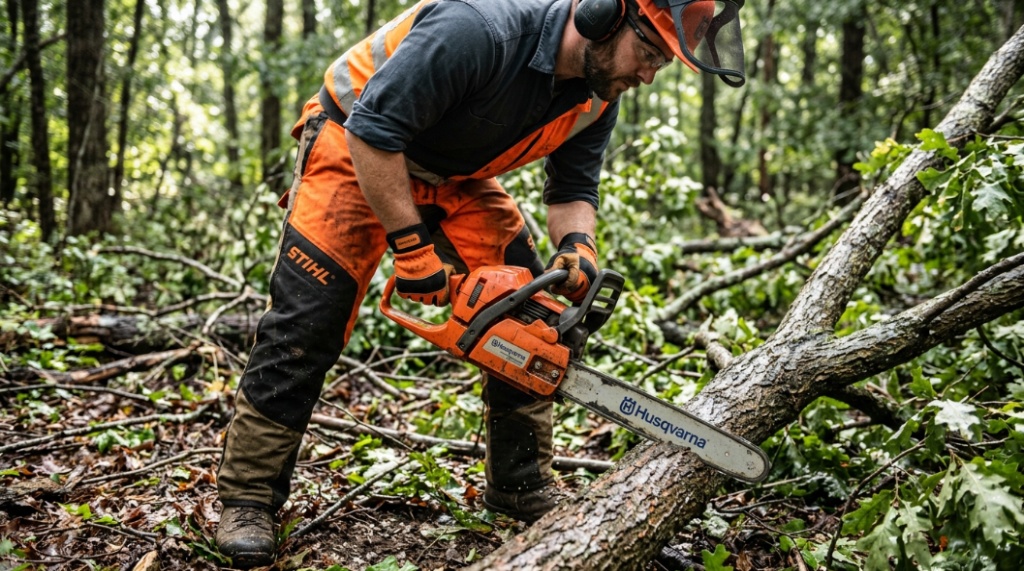
Different tree species require different chainsaw power levels because wood density affects cutting resistance.
Softwoods like pine and cedar cut faster than dense hardwood species. Homeowners in storm-prone regions often encounter mixed debris types after severe weather.
| Tree Type | Wood Density | Recommended Chainsaw |
|---|---|---|
| Pine | Low | 45cc–50cc |
| Cedar | Low | 40cc–50cc |
| Maple | Medium | 50cc–60cc |
| Oak | High | 60cc+ |
| Hickory | Very High | 65cc+ |
Wet hardwood can dramatically slow chain speed if the engine lacks adequate torque.
Can One Chainsaw Handle Every Type of Tree?
Yes, but mid-range heavy-duty chainsaws usually offer the best versatility for mixed storm debris.
A properly maintained 55cc to 60cc model can handle most residential cleanup needs without excessive weight.
What Maintenance Checks Should You Perform Before Cutting Storm Debris?
Before using any chainsaw after a storm, inspect the chain tension, fuel system, lubrication, air filter, and safety controls.
Improperly maintained chainsaws create unnecessary hazards. Storm cleanup already involves unstable conditions, so equipment reliability matters.
- Check chain sharpness
- Inspect chain brake functionality
- Refill bar oil
- Tighten loose fasteners
- Inspect fuel lines for leaks
- Clean air intake filters
Dull chains increase kickback risk because operators apply more pressure during cuts.
How Often Should You Sharpen a Chainsaw Chain?
Chains should typically be sharpened after several hours of heavy cutting or whenever cutting speed noticeably decreases.
Storm debris often contains dirt, rocks, and hidden contaminants that dull chains faster than normal woodcutting conditions.
Should Homeowners Buy or Rent a Heavy-Duty Chainsaw?
Buying makes sense for homeowners in storm-prone regions, while renting may work better for one-time cleanup jobs.
Areas affected by hurricanes, tornadoes, or severe seasonal storms often require recurring yard cleanup. Frequent rentals quickly become expensive.
Homeowners managing long-term property health also benefit from understanding broader outdoor maintenance practices, including soil protection and landscaping recovery methods discussed in preventing soil-related garden damage after environmental stress.
| Buying | Renting |
|---|---|
| Long-term investment | Lower upfront cost |
| Immediate availability during emergencies | No maintenance responsibility |
| Better for recurring storms | Good for rare use |
| Requires storage and upkeep | Limited model availability |
What Features Matter Most for Homeowners?
Ease of handling, vibration control, and dependable starting systems matter more than professional logging power.
Many residential users overestimate the engine size they need and underestimate how tiring heavy saws become during extended cleanup work.
How Do Professionals Handle Emergency Yard Cleanup Safely?
Professional storm cleanup crews prioritize hazard assessment before making the first cut.
One of the biggest mistakes homeowners make is rushing directly into cutting fallen trees without checking for hidden risks.
- Inspect for downed power lines
- Watch for suspended branches
- Identify wood under tension
- Plan escape routes before cutting
- Wear full protective equipment
According to storm recovery safety guidance, chainsaw-related injuries increase sharply after major weather events because inexperienced users attempt dangerous cuts without proper planning.
What Protective Gear Should You Wear?
Essential chainsaw safety equipment includes:
- Chainsaw chaps
- Cut-resistant gloves
- Steel-toe boots
- Eye protection
- Hearing protection
- Helmet with face shield
Even experienced operators rely on full protective gear during storm cleanup because unstable debris can shift unexpectedly.
What Mistakes Should You Avoid When Selecting a Storm Cleanup Chainsaw?
The biggest mistake is choosing a chainsaw based only on bar length instead of balancing power, weight, and safety.
Other common buying mistakes include:
- Ignoring vibration control
- Buying underpowered engines
- Using homeowner-grade saws for large hardwood
- Skipping chain brake features
- Choosing oversized bars for small jobs
- Neglecting maintenance requirements
Why Do Cheap Chainsaws Often Fail During Storm Cleanup?
Low-cost models frequently struggle with sustained heavy cutting loads, especially in wet wood conditions.
Overheating, chain slippage, poor lubrication systems, and weak engine torque become major issues during large cleanup projects.
Conclusion: How Do You Select the Right Gas Chainsaw After Storm Damage?
Selecting the right gas chainsaw after storm damage comes down to matching cutting power, bar length, safety features, and handling comfort to the actual cleanup conditions on your property. Most homeowners dealing with fallen tree removal and emergency yard cleanup benefit from a mid-range or heavy-duty chainsaw with enough torque to handle wet wood safely without becoming excessively difficult to control.
The safest approach is to prioritize balance over brute force. A reliable chainsaw with strong safety systems, manageable weight, and proper maintenance support will outperform oversized models in real-world storm recovery situations. Investing in quality equipment also reduces fatigue, improves cutting precision, and lowers the risk of dangerous kickback incidents.
If you are comparing durable storm-ready equipment, this detailed guide covering top-performing gas chainsaws for demanding outdoor cleanup can help narrow your options before your next emergency cleanup project begins.
Storm damage cleanup is unpredictable. The right chainsaw helps you work faster, safer, and with far less frustration when every minute matters.
Frequently Asked Questions About Selecting Gas Chainsaws After Storm Damage
What size chainsaw is best for storm cleanup?
A 50cc to 60cc gas chainsaw is ideal for most residential storm cleanup projects because it balances cutting power, control, and versatility for medium to large fallen trees.
Can a battery chainsaw handle fallen tree removal?
Battery chainsaws can handle small branches and light debris, but large fallen tree removal usually requires the sustained power and runtime of a gas-powered chainsaw.
How long should a chainsaw bar be for emergency yard cleanup?
An 18-inch to 20-inch bar length works well for most storm-damaged trees found in residential yards because it provides good reach without sacrificing control.
What is the safest chainsaw feature for beginners?
A chain brake is one of the most important safety features because it rapidly stops chain movement during kickback incidents.
Do wet trees damage chainsaws?
Wet wood does not directly damage chainsaws, but it increases cutting resistance and dulls chains faster, especially when mixed with dirt and storm debris.
Should homeowners remove large fallen trees themselves?
Large trees near homes, utility lines, or unstable structures should usually be handled by professional arborists because storm-damaged wood can shift unpredictably during cutting.
How often should chainsaw chains be replaced?
Chains should be replaced when sharpening no longer restores proper cutting performance or when chain teeth become uneven, cracked, or excessively worn.