Stainless Silverware Turning Black? Here’s Why and How to Fix It

Paramount Plus Cancel Trial on Different Device: Complete Guide
September 28, 2025
How to Restore Original Milk Paint Cabinets
October 5, 2025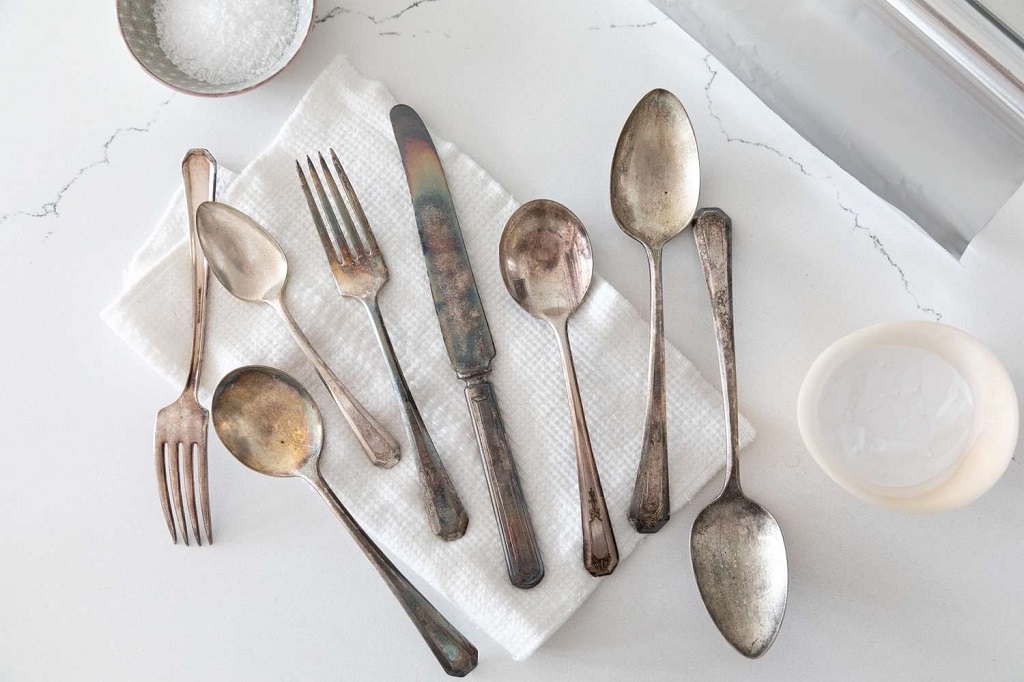
Nothing ruins a dinner party faster than pulling out blackened stainless steel cutlery. You carefully selected your silverware set, invested in quality pieces, yet here you are wondering why your once-shiny utensils look tarnished and dark. This frustrating problem affects countless households, but understanding the root causes can help you restore your cutlery’s original luster.
Stainless steel silverware turns black due to several factors including heat damage, chemical reactions with certain foods, improper cleaning products, and dishwasher issues. The discoloration occurs when the protective chromium oxide layer on the steel surface becomes compromised, allowing oxidation and staining to occur.
However, this common kitchen dilemma has straightforward solutions. Whether your stainless silverware turning black happened overnight or gradually over time, you can restore its appearance with proper cleaning techniques and preventive measures. Additionally, knowing what causes this discoloration helps prevent future occurrences, saving you time and maintaining your investment in quality cutlery.
What Causes Stainless Steel Cutlery to Turn Black?
The blackening of stainless steel cutlery stems from multiple causes that compromise the metal’s protective surface. Heat exposure ranks as the primary culprit, particularly when utensils encounter temperatures exceeding 500°F. This extreme heat breaks down the chromium oxide layer that normally protects stainless steel from corrosion and discoloration.
Chemical reactions also play a significant role in cutlery discoloration. Acidic foods like tomatoes, citrus fruits, and vinegar-based dressings can react with the metal surface, especially when left in contact for extended periods. Furthermore, salt residue from foods or dishwasher detergent can create pitting and dark spots on the surface.
Dishwasher-related issues frequently contribute to blackening problems. Hard water contains minerals that deposit on cutlery surfaces during the wash cycle. These mineral deposits, combined with harsh detergents and high temperatures, create the perfect conditions for discoloration. Moreover, overcrowding the dishwasher prevents proper rinsing, allowing detergent residue to remain on utensils.
Manufacturing defects or low-quality stainless steel grades make some cutlery more susceptible to blackening. Cheaper grades contain less chromium and nickel, reducing their corrosion resistance. Therefore, investing in higher-grade stainless steel (304 or 316 grade) provides better long-term durability and appearance retention.
How Does Heat Damage Affect Stainless Steel Silverware?
Heat damage represents the most common cause of blackened stainless steel cutlery. When exposed to excessive temperatures, the molecular structure of the steel undergoes changes that permanently alter its appearance. This typically occurs when utensils accidentally fall into hot pans, get left near stovetops, or experience prolonged exposure to dishwasher heated dry cycles.
The discoloration appears as rainbow-colored heat marks initially, progressing to dark brown or black patches. These heat signatures indicate that the protective chromium oxide layer has been compromised. Once this happens, the exposed steel becomes vulnerable to further oxidation and staining.
Professional kitchens often see heat damage from commercial dishwashers that reach temperatures exceeding home units. Restaurant-grade machines can generate steam and heat levels that gradually break down even high-quality stainless steel over time. Consequently, commercial establishments frequently replace cutlery more often than residential users.
Prevention involves careful handling around heat sources and adjusting dishwasher settings. Using lower temperature settings for the wash and dry cycles significantly reduces heat-related damage. Additionally, removing cutlery promptly after washing prevents prolonged heat exposure during extended dry cycles.
Can Certain Foods Cause Silverware to Blacken?
Specific foods and beverages can indeed cause stainless steel cutlery to develop dark stains and discoloration. Acidic foods pose the greatest threat to cutlery appearance, as they can break down the protective surface layer and initiate chemical reactions that result in blackening.
Tomato-based products, citrus fruits, and vinegar represent the most problematic foods. These items contain acids that can etch the steel surface when left in contact for extended periods. For instance, leaving a knife coated with tomato sauce overnight creates ideal conditions for acid etching and subsequent discoloration.
Sulfur-containing foods like eggs, onions, and certain spices can also contribute to blackening. These foods produce hydrogen sulfide when they break down, which reacts with the metal to form dark sulfide compounds on the surface. This reaction explains why egg-stained utensils often develop black spots if not cleaned immediately.
Salt and chlorine-based compounds accelerate the corrosion process. Foods high in salt content, when combined with moisture and time, create corrosive conditions that promote blackening. Similarly, tap water with high chlorine content can contribute to gradual discoloration over repeated exposures.
What Role Do Dishwashers Play in Cutlery Discoloration?
Dishwashers contribute significantly to stainless steel cutlery blackening through multiple mechanisms. Hard water minerals, detergent residue, and excessive heat combine to create challenging conditions for maintaining cutlery appearance. Understanding these factors helps identify solutions for preventing dishwasher-related discoloration.
Hard water contains calcium and magnesium minerals that deposit on cutlery surfaces during washing. These white, chalky deposits not only look unsightly but also create rough surfaces where dirt and stains can accumulate. Over time, these mineral buildups can trap other contaminants, leading to dark, stubborn stains.
Detergent residue represents another significant factor in cutlery blackening. Phosphate-free detergents, while environmentally friendly, sometimes leave more residue on dishes and cutlery. This residue, when subjected to repeated heat cycles, can bake onto the surface and create dark, difficult-to-remove stains.
Overcrowding the dishwasher prevents proper water circulation and rinsing. When cutlery pieces touch each other or nest together, detergent and food particles can become trapped between them. This creates localized areas of high concentration that promote corrosion and discoloration.
The heated dry cycle in dishwashers can reach temperatures that stress stainless steel over time. Repeated exposure to these high temperatures, combined with mineral deposits and detergent residue, accelerates the breakdown of the protective surface layer.
How Can You Remove Black Stains from Stainless Steel Cutlery?
Removing black stains from stainless steel cutlery requires the right approach depending on the severity and cause of the discoloration. Mild cases often respond to gentle cleaning methods, while stubborn stains may need more aggressive treatment. Starting with the gentlest method prevents unnecessary damage to the cutlery surface.
For light discoloration, create a paste using baking soda and water. Apply this paste to the affected areas and gently scrub with a soft cloth or sponge. The mild abrasive action of baking soda removes surface stains without scratching the steel. Rinse thoroughly with clean water and dry immediately to prevent water spots.
White vinegar serves as an excellent natural cleaner for mineral deposits and mild staining. Soak the affected cutlery in undiluted white vinegar for 30 minutes, then scrub gently with a soft brush. The acetic acid in vinegar dissolves mineral buildup and helps restore the original shine.
For stubborn black stains, commercial stainless steel cleaners provide more aggressive cleaning power. Products like Bar Keepers Friend contain oxalic acid, which effectively removes heat stains and deep discoloration. Apply according to manufacturer instructions, always wearing gloves and ensuring adequate ventilation.
Lemon juice combined with salt creates a natural abrasive cleaner that works well on moderate staining. Cut a lemon in half, dip it in coarse salt, and scrub the blackened areas. The citric acid helps break down stains while the salt provides gentle abrasive action. This method works particularly well for removing food-related stains.
What Preventive Measures Stop Silverware from Blackening?
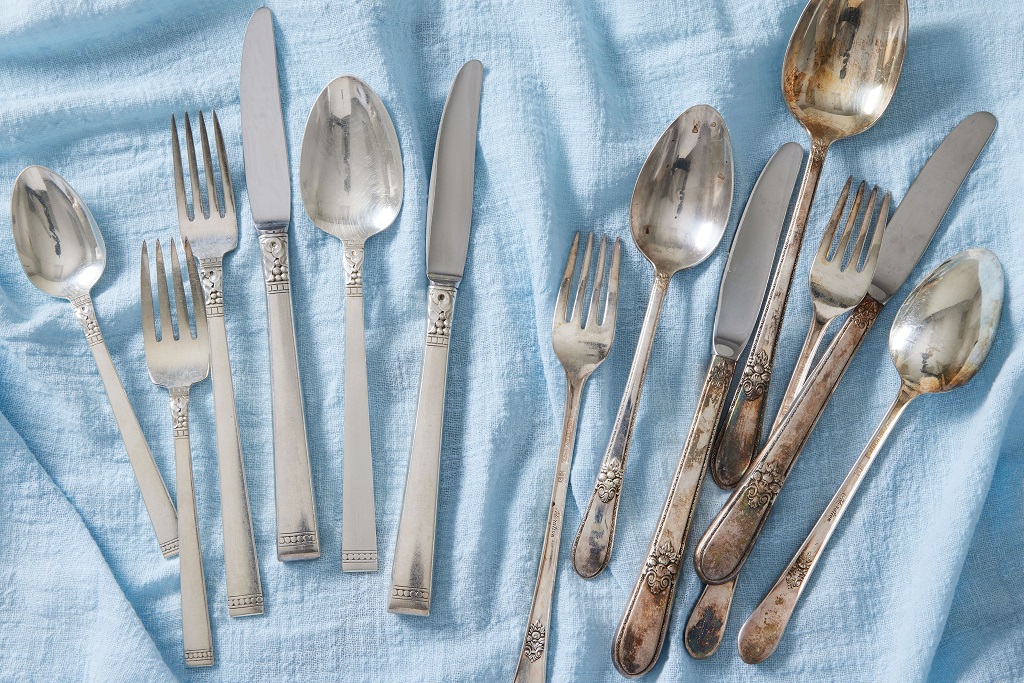
Prevention remains the most effective strategy for maintaining stainless steel cutlery appearance. Implementing proper care routines and avoiding common mistakes significantly reduces the likelihood of blackening and extends cutlery lifespan. These preventive measures require minimal effort but provide substantial long-term benefits.
Immediate cleaning after use represents the most important preventive step. Rinsing cutlery promptly after contact with acidic or salty foods prevents prolonged exposure that leads to discoloration. For heavily soiled utensils, a quick wash with dish soap and warm water removes problematic residues before they can cause staining.
Proper dishwasher loading techniques prevent many common problems. Avoid overcrowding by ensuring adequate space between pieces for water circulation. Place cutlery in the designated holders rather than loose in the bottom rack, and ensure pieces don’t nest together or touch metal surfaces.
Water quality improvements provide long-term benefits for cutlery maintenance. Installing a water softener reduces mineral content that causes spots and stains. For households without water softening systems, adding rinse aid to the dishwasher helps prevent water spots and mineral deposits.
Regular maintenance cleaning prevents buildup that leads to severe discoloration. Monthly deep cleaning with specialized stainless steel cleaners removes accumulated residue and maintains the protective surface layer. This proactive approach prevents minor issues from developing into major staining problems.
When Should You Replace Blackened Stainless Steel Cutlery?
While most blackened stainless steel cutlery can be restored, certain situations warrant replacement rather than continued cleaning efforts. Understanding when restoration becomes impractical saves time and ensures food safety and presentation standards.
Severe pitting and corrosion that creates rough, uneven surfaces indicates permanent damage beyond cosmetic repair. These damaged areas harbor bacteria and become increasingly difficult to clean properly. Additionally, pitted surfaces continue to worsen over time, making replacement the most practical option.
Heat damage that has caused warping or structural changes compromises the cutlery’s functionality. Warped utensils don’t work properly for food preparation and serving, while weakened metal may break during use. Safety considerations make replacement necessary in these cases.
Cost considerations also influence replacement decisions. Low-quality cutlery with extensive blackening may cost more to restore than replace. Conversely, high-end cutlery sets justify restoration efforts due to their initial investment and superior materials.
Professional assessment helps determine restoration feasibility for valuable cutlery sets. Silver and jewelry cleaning services often provide stainless steel restoration, though costs may be substantial. Team Red Byte recommends comparing restoration costs with replacement prices before making decisions on expensive cutlery sets.
Conclusion
Blackened stainless steel cutlery represents a common but solvable kitchen problem. Understanding the various causes – from heat damage and acidic foods to dishwasher issues and water quality problems – empowers you to both treat existing discoloration and prevent future occurrences.
The restoration methods outlined above, ranging from gentle baking soda pastes to commercial cleaners, provide options for different severity levels. Remember that prevention through proper care, immediate cleaning, and appropriate dishwasher practices offers the most effective long-term solution.
Take action today by implementing these preventive measures and addressing any current blackening issues. Your investment in quality cutlery deserves proper care, and with these techniques, you can maintain that original shine for years to come. Start with the gentlest cleaning method appropriate for your situation, and don’t hesitate to seek professional restoration services for valuable pieces when DIY methods prove insufficient.
Read More Also: Paramount Plus Cancel Trial on Different Device
Frequently Asked Questions
Why did my stainless steel cutlery turn black overnight?
Overnight blackening typically results from leaving acidic or salty foods on the cutlery surface. Tomato-based sauces, citrus residues, or salt deposits create chemical reactions that cause rapid discoloration when left in contact with stainless steel for extended periods.
Is blackened stainless steel cutlery safe to use?
Blackened stainless steel cutlery remains safe for food contact unless severe pitting or corrosion has occurred. Surface discoloration doesn’t affect food safety, but rough, corroded surfaces can harbor bacteria and should be replaced.
Can I prevent my dishwasher from blackening my cutlery?
Yes, you can prevent dishwasher-related blackening by using proper loading techniques, avoiding overcrowding, using rinse aid, and selecting appropriate wash temperatures. Regular dishwasher maintenance and water softening also help prevent mineral deposits.
Will commercial stainless steel cleaners damage my cutlery?
Commercial cleaners, when used according to manufacturer instructions, won’t damage quality stainless steel cutlery. However, always test on an inconspicuous area first and avoid using abrasive cleaners on decorative finishes or low-grade stainless steel.
How often should I deep clean my stainless steel cutlery?
Monthly deep cleaning with specialized products prevents buildup and maintains cutlery appearance. However, households with hard water or frequent use of acidic foods may benefit from bi-weekly treatments.
Can heat damage to cutlery be reversed?
Minor heat discoloration can often be removed with commercial cleaners, but severe heat damage that causes structural changes or deep rainbow patterns usually cannot be completely reversed. Prevention remains the best strategy for heat damage.
What grade of stainless steel resists blackening best?
Higher grades like 304 and 316 stainless steel offer superior corrosion resistance compared to lower grades. These grades contain more chromium and nickel, providing better protection against discoloration and staining.