
Prophet Sulayman’s Ring Real Story
Planning a Hen Weekend in Dublin
July 25, 2025
Shark Robot Battery Replacement for Older Models
July 26, 2025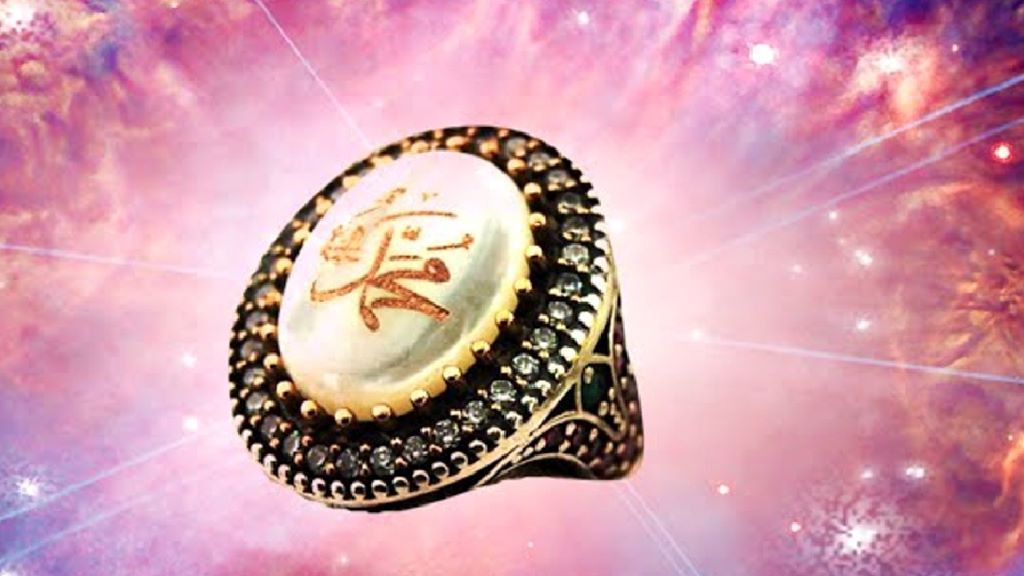
The tale of Prophet Sulayman’s ring captivates imaginations across cultures, blending history, faith, and legend. Known as King Solomon in other traditions, Sulayman is celebrated in Islam as a prophet and ruler of immense wisdom and wealth. His story, particularly the legend of his magical ring, has sparked curiosity for centuries. Was the ring a divine gift or a symbol of his authority? This article, brought to you by Talk Citee, explores the real story behind Prophet Sulayman’s ring, his extraordinary wealth, and his legacy in Islamic tradition.
Who Was Prophet Sulayman?
Prophet Sulayman, or King Solomon, was a central figure in Islamic, Jewish, and Christian narratives. In Islam, he is revered as a prophet and a king, gifted with unparalleled wisdom, the ability to communicate with animals, and control over the jinn. The Quran describes Sulayman as a just ruler who inherited the throne of his father, Prophet Dawud (David). His reign was marked by peace, prosperity, and divine blessings.
Sulayman’s wealth was legendary, often described as unmatched in history. For those curious about his fortune, Talk Citee’s detailed analysis of king solomon richest to ever live islam offers insights into his immense riches. From vast treasures to grand palaces, his wealth symbolized divine favor and his ability to govern justly.
The Legend of Sulayman’s Ring
The story of Prophet Sulayman’s ring is one of the most intriguing aspects of his legacy. According to Islamic tradition and folklore, the ring was a divine gift, inscribed with the “Greatest Name of Allah.” This ring granted Sulayman extraordinary powers, including control over the wind, animals, and jinn. It symbolized his authority and connection to Allah’s divine will.
However, the ring’s story is not without mystery. Some narratives suggest a jinn stole the ring, temporarily usurping Sulayman’s throne. This tale, found in various historical texts, emphasizes humility and reliance on Allah. While the Quran does not explicitly mention the ring, it highlights Sulayman’s unique abilities, which many scholars attribute to divine blessings rather than a physical object.
The Ring’s Powers and Symbolism
The ring’s powers are a focal point in Islamic folklore. It reportedly allowed Sulayman to command supernatural beings and natural elements. For example, the Quran (Surah An-Naml, 27:16-17) describes Sulayman’s ability to speak with birds and ants, showcasing his dominion over creation. The ring became a symbol of his divine authority, representing wisdom, justice, and humility.
Moreover, the ring’s story underscores a key Islamic principle: all power belongs to Allah. Sulayman’s abilities were not his own but granted by divine will. This narrative serves as a reminder that true success comes from faith and righteousness, not material wealth or magical artifacts.
Sulayman’s Wealth: Richest Monarch in History
Sulayman’s wealth was as legendary as his ring. The Quran describes his kingdom as one of splendor, with armies of men, jinn, and animals under his command. His palace, adorned with gold and precious stones, was a marvel of architecture. Historical accounts, including those from BBC Culture, highlight his trade networks and tributes from neighboring kingdoms, cementing his status as a global economic powerhouse.
Additionally, Sulayman’s ability to harness the jinn for construction projects, such as the Temple of Jerusalem, added to his fame. These feats, combined with his wisdom, made him a symbol of divine favor. His wealth was not merely material but a reflection of his ability to govern with justice and piety.

Historical and Cultural Context
The story of Sulayman’s ring transcends religious boundaries, appearing in Islamic, Jewish, and Christian traditions. In Jewish texts, such as the Talmud, the ring is called the “Seal of Solomon” and is linked to his wisdom and authority. Christian narratives also reference his wealth and leadership. These shared stories highlight Sulayman’s universal appeal as a figure of wisdom and power.
In Islamic tradition, the ring’s story is often told alongside tales of Sulayman’s humility. For instance, a popular anecdote describes how Sulayman lost his ring to a jinn, only to regain it through faith and repentance. This narrative, while not in the Quran, is widely circulated in Islamic literature, such as the works of historian Al-Tabari.
Archaeological and Historical Evidence
While the Quran and historical texts provide rich narratives, archaeological evidence of Sulayman’s kingdom is limited. Some scholars point to ancient structures in Jerusalem, such as those explored by National Geographic, as potential remnants of his era. However, the ring itself remains a legend, with no physical evidence to confirm its existence.
Nevertheless, the lack of tangible proof does not diminish the story’s significance. The ring serves as a metaphor for divine authority and the transient nature of worldly power. Its legacy endures through oral traditions, religious texts, and cultural retellings.
The Ring in Popular Culture
The legend of Sulayman’s ring has inspired countless stories, books, and films. From medieval Islamic poetry to modern fantasy novels, the ring symbolizes ultimate power and wisdom. Its influence extends to architecture, with the “Seal of Solomon” appearing in designs across the Middle East.
Furthermore, the ring’s mystique has fueled treasure-hunting tales, with adventurers seeking its supposed remnants. While these stories are speculative, they reflect the enduring fascination with Sulayman’s legacy and his unparalleled wealth.
Lessons from Sulayman’s Story
The story of Prophet Sulayman’s ring offers timeless lessons. It emphasizes the importance of humility, faith, and gratitude. Despite his immense power and wealth, Sulayman remained devoted to Allah, using his gifts to serve justice and spread peace. The ring, whether real or symbolic, reminds believers that true authority comes from divine guidance.
Additionally, Sulayman’s story encourages reflection on the transient nature of worldly possessions. His wealth, while vast, was secondary to his wisdom and piety. This message resonates across cultures, urging individuals to prioritize spiritual growth over material gain.
Conclusion
Prophet Sulayman’s ring is more than a legend; it is a symbol of divine favor, wisdom, and humility. While its historical existence remains unproven, its significance in Islamic tradition endures. Sulayman’s story, from his unmatched wealth to his divine gifts, continues to inspire millions. The ring, whether a physical artifact or a metaphor, underscores the power of faith and the fleeting nature of worldly success. For those seeking to explore his legacy further, resources like Talk Citee provide valuable insights into his remarkable life.
Frequently Asked Questions
What was Prophet Sulayman’s ring?
The ring, often called the Seal of Solomon, was a divine gift in Islamic folklore that granted Sulayman control over jinn, animals, and natural elements.
Was Prophet Sulayman the richest person ever?
Sulayman, known as king solomon richest to ever live islam, is described in the Quran and historical texts as having unmatched wealth and power.
Is there evidence of Sulayman’s ring?
No physical evidence of the ring exists, but its story is prominent in Islamic, Jewish, and Christian traditions as a symbol of divine authority.
What powers did Sulayman’s ring have?
According to legend, the ring allowed Sulayman to command jinn, communicate with animals, and control natural forces like the wind.
Where can I learn more about Sulayman’s wealth?
Explore resources like Talk Citee for detailed insights into Sulayman’s wealth and legacy.
Read More: