
Monofilament vs. Braided vs. Fluorocarbon: Which Fishing Line Wins?

Shockers and Movers: Post-Earnings Review: Which Stocks Surprised the US Market This Week?
June 25, 2025
Los Angeles Beauty Tips – Celebrity Glow Hacks
June 26, 2025
Choosing the right fishing line isn’t just a preference—it’s the game-changer between landing a catch and going home empty-handed. The debate Monofilament vs. Braided vs. Fluorocarbon: Which Fishing Line Wins?, has stirred anglers for decades. Each type offers unique advantages and drawbacks depending on fishing style, species targeted, and water conditions. Here’s a deep dive into what makes each line shine or sink.
Monofilament Line: The Classic All-Rounder
Monofilament, often referred to as “mono,” is a single-strand nylon line. It’s been a staple for decades because of its simplicity and versatility. It stretches under tension, which helps absorb shocks from hard-hitting fish like bass or trout. That stretch acts as a built-in shock absorber, ideal for beginners who may need forgiveness on their hooksets.
One major perk is its buoyancy. It floats, making it perfect for topwater lures and shallow presentations. Additionally, monofilament is cost-effective—averaging $4–$10 for 300 yards—making it an economical choice for most anglers.
However, it’s not flawless. It suffers from line memory, meaning it can retain coil shape, which causes tangles and reduced casting distance. Also, monofilament deteriorates faster under UV exposure and typically has a thicker diameter compared to other lines of similar strength.
According to Field & Stream’s 2024 tackle tests, monofilament still holds strong as the go-to line for general use, especially for casual or weekend anglers.
Braided Line: Power and Precision
Braided fishing lines are made by weaving multiple synthetic fibers—like Spectra or Dyneema—into a single strand. The result? A line that’s thin, incredibly strong, and nearly stretch-free.
This low stretch makes braided line ultra-sensitive. Anglers can feel even the slightest nibble. That’s crucial when jigging deep or targeting finesse bites. It also excels in heavy cover where pulling fish through weeds or timber requires brute strength.
Another benefit? A 20 lb braided line has the same diameter as a 6 lb monofilament, allowing anglers to spool more line or use lighter tackle without sacrificing strength.
However, its drawbacks include poor abrasion resistance when rubbing against rocks or barnacles, and it’s highly visible in clear water. That’s why many pros use a fluorocarbon leader in front of braid for stealth.
According to Outdoor Life’s 2024 gear review, braid topped the charts for saltwater anglers and those fishing thick vegetation where strength and sensitivity are vital.
Fluorocarbon Line: The Stealth Specialist
Fluorocarbon lines are made from a dense polymer that closely matches the refractive index of water. That makes it nearly invisible to fish—a massive plus in clear lakes or pressured fisheries. The line also sinks, which suits bottom presentations like Texas rigs, jigs, and drop shots.
Unlike monofilament, fluorocarbon doesn’t absorb water. It retains its strength and abrasion resistance even after hours underwater. That’s crucial when fishing rocky bottoms or around docks.
Its low stretch provides sensitivity like braid but with added stealth. However, fluorocarbon can be stiff and difficult to manage, especially in heavier tests. It also tends to be more expensive, with prices often starting at $15–$30 for 200 yards.
According to a detailed report by Wired2Fish, fluorocarbon is now the top pick among tournament anglers for finesse applications and deep-water tactics.
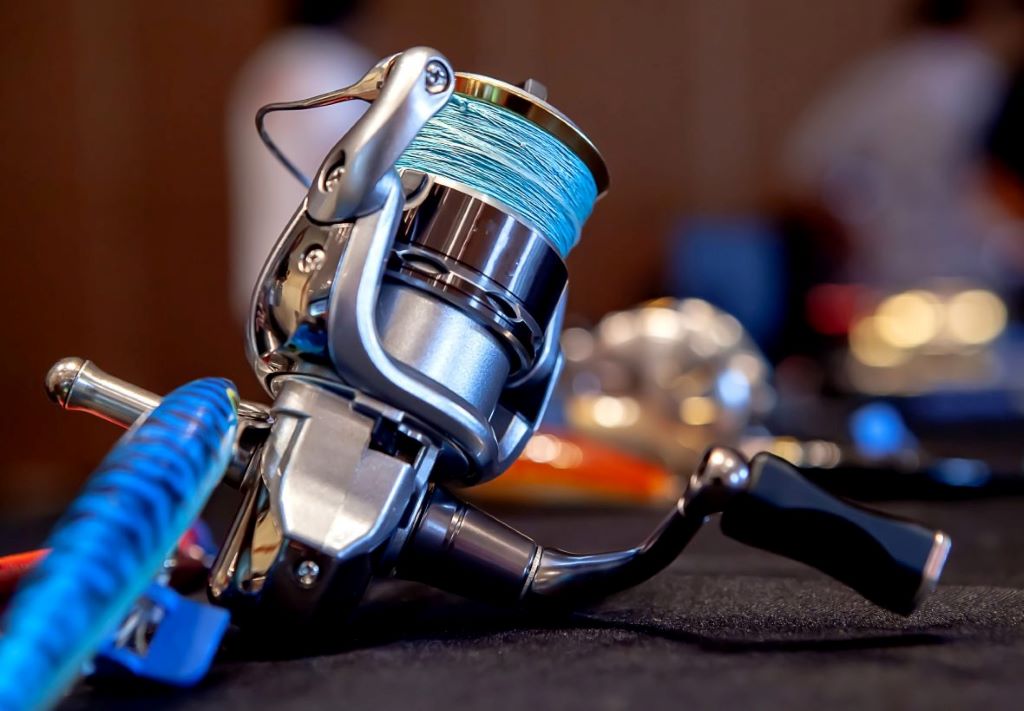
Comparing Performance: The Face-Off
So, Monofilament vs. Braided vs. Fluorocarbon: Which Fishing Line Wins? Let’s break it down based on real-world applications:
- Sensitivity:
- Winner: Braided
Zero stretch means every tap gets transmitted to your hand.
- Stealth in Clear Water:
- Winner: Fluorocarbon
Its near invisibility makes it unbeatable in pressured fisheries.
- Budget-Friendly:
- Winner: Monofilament
Perfect for beginners or anglers who need to re-spool frequently.
- Abrasion Resistance:
- Winner: Fluorocarbon
It holds up better when dragged across rocks or debris.
- Strength-to-Diameter Ratio:
- Winner: Braided
Fits more line on your reel without sacrificing power.
- Versatility:
- Winner: Monofilament
Ideal for everything from topwater to live bait.
- Longevity:
- Winner: Braided
It can last years if cared for properly, unlike mono, which degrades faster.
Expert Tips for Choosing the Right Line
No single line wins in every situation. That’s why many seasoned anglers use combinations—like braid mainline with fluorocarbon leader—for the best of both worlds. Match your line to your environment. In murky water? Use mono or braid. Fishing deep, clear water? Opt for fluorocarbon.
If you’re still unsure, check your rod’s line recommendations and consider your target species’ tendencies. For instance, fishing for toothy predators like pike may warrant braided line with a fluorocarbon or wire leader.
FAQs
- Is braided line better than fluorocarbon?
It depends. Braided is stronger and more sensitive. Fluoro is invisible and better for clear water. - Can I use monofilament for saltwater fishing?
Yes, but rinse it after each trip. Salt degrades mono faster than braid or fluorocarbon. - Why do pros use fluorocarbon leaders with braid?
They combine braid’s strength with fluoro’s invisibility for maximum advantage. - Which line lasts the longest?
Braided lines last the longest—often up to five years with care. - What line is best for spinning reels?
Monofilament is user-friendly for spinning gear, but braid with a mono/fluoro leader also works well. - Does line color matter?
In clear water, yes. Go with green or clear. In murky water, high-visibility colors can help track your line. - How often should I change fishing line?
Monofilament: every season. Fluorocarbon: every 1–2 seasons. Braided: every 2–4 seasons depending on use.
Final Thought: Which Line Wins?
In the ultimate showdown, Monofilament vs. Braided vs. Fluorocarbon: Which Fishing Line Wins? there’s no one-size-fits-all champion. Each line dominates specific scenarios.
Monofilament wins for affordability and ease. Braided conquers in strength and sensitivity. Fluorocarbon steals the show in stealth and abrasion resistance. Serious anglers often keep all three in their tackle box to adapt on the fly.
Make your choice based on species, water clarity, and fishing technique. Let the conditions—not habits—dictate your decision. The right line can be the hidden key to your next trophy catch.
Read More:
Fortnite week 10 challenges with legendary missions


