
How to Pick the Best Cordless Drill for Home Maintenance

Parent-Tested Review: Bright Starts 6-Speed Portable Baby Swing
January 11, 2026Ear Wax and Hearing Tests: Remove the Wax Before Testing?
January 21, 2026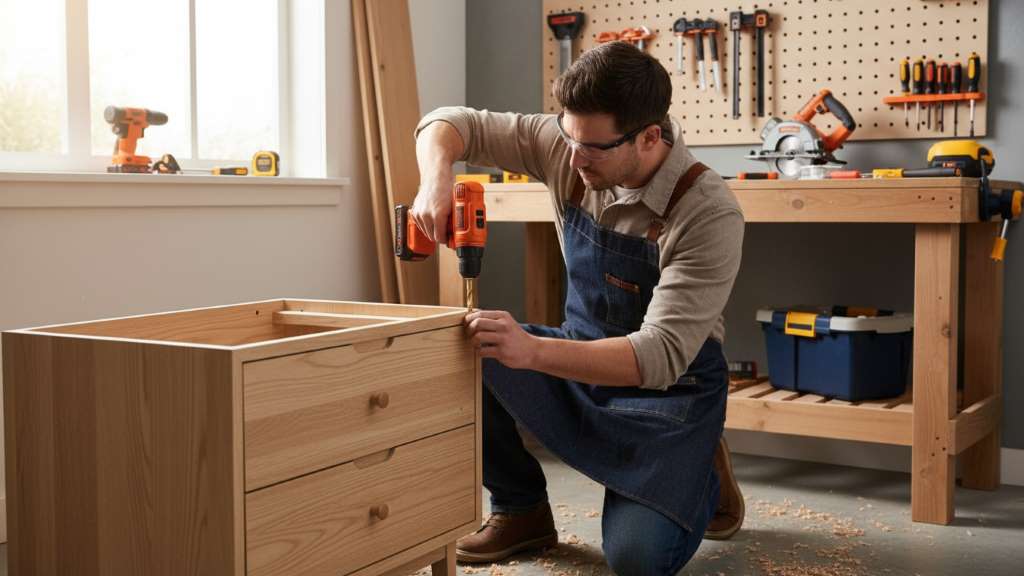
Have you ever stood in your garage staring at a loose shelf or a wobbly fence post, wishing you had the right tool to fix it quickly? Many homeowners face this frustration daily. Cordless drills change that game. They offer freedom from cords and let you tackle repairs anywhere around the house. This guide walks you through selecting the perfect one for your needs. First, understand that these tools empower everyday fixes without hassle. According to the Home Improvement Research Institute, about 75 percent of U.S. homeowners took on DIY projects in 2022. Additionally, the Freedonia Group reports that 29 percent of consumers bought cordless power tools in the past year. So, you’re in good company. For a solid option, check out the Best Cordless Drill for Home Use that combines reliability with ease.
Why Choose a Cordless Drill for Home Tasks?
Cordless drills shine in home settings. You move freely without tripping over wires. Plus, they pack enough punch for most household jobs. Imagine hanging pictures or assembling furniture. A cordless model makes these chores simple and fast.
However, consider your space first. In a small apartment, portability matters most. For larger homes with yards, think about outdoor use too. Cordless options handle both indoors and out. They save time and reduce effort compared to manual tools.
Moreover, technology has improved these drills a lot. Brushless motors now provide more power and longer life. You get better performance without extra weight. This means less fatigue during longer sessions.
Furthermore, versatility stands out. Many models drill holes and drive screws. Some even hammer through masonry. So, one tool often covers multiple needs. This cuts down on clutter in your toolbox.
Finally, think about convenience. Quick battery swaps keep you going. No more hunting for outlets. Cordless drills fit modern lifestyles perfectly.
Key Features to Look For
Focus on essentials when shopping. Start with power sources. Lithium-ion batteries dominate now. They hold charges longer and recharge faster than older types.
Next, check voltage ratings. Higher volts mean more strength for tough materials. But balance that with control for delicate work.
Additionally, speed settings help. Variable speeds let you adjust for different tasks. Slow for screws, fast for drilling.
Torque comes into play too. It measures twisting force. Adjustable clutches prevent over-tightening. This protects your projects from damage.
Ergonomics matter as well. A comfortable grip reduces hand strain. Look for balanced designs that feel natural.
Weight plays a role here. Lighter models suit overhead work. Heavier ones offer stability for heavy-duty jobs.
Built-in lights illuminate dark spots. LED options guide your way in cabinets or attics.
Accessories enhance value. Extra bits or cases add practicality. Choose kits that match your common tasks.
Voltage and Power Explained
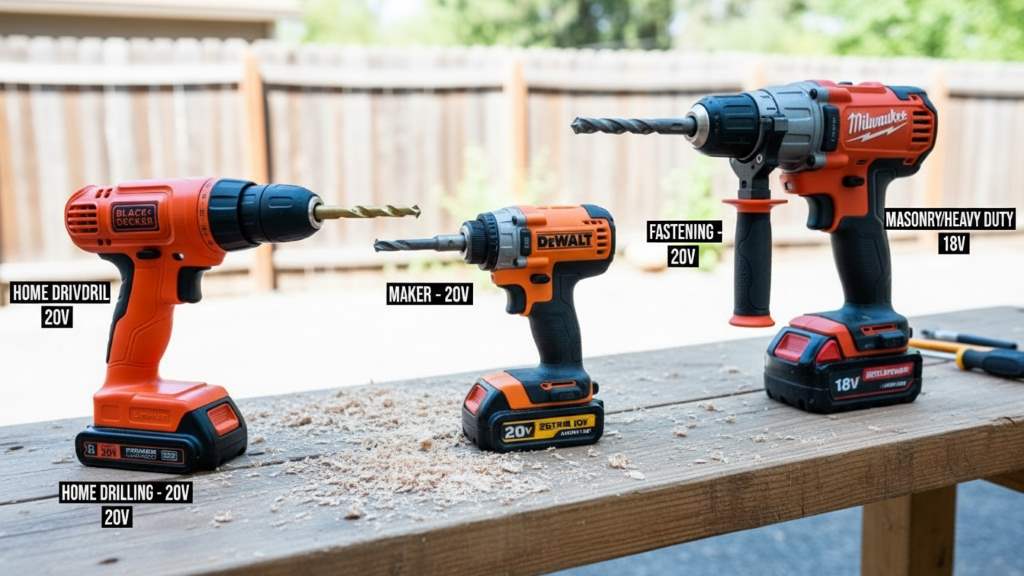
Voltage determines a drill’s muscle. Common options range from 12 to 20 volts. Lower voltages work well for light duties like hanging curtains.
For instance, a 12-volt model drills into wood easily. It handles soft metals too. You avoid bulk while getting decent power.
On the other hand, 18-volt drills tackle denser materials. They bore through hardwood or plastic without bogging down.
Meanwhile, 20-volt versions excel in demanding scenarios. Think building decks or installing fixtures. They deliver consistent force.
But remember, higher voltage often means bigger batteries. This adds weight. Assess your typical projects before deciding.
Research from Consumer Reports in 2026 shows that 18-volt models balance power and portability best for home users. They tested dozens and found these versatile for most needs.
So, match voltage to your workload. Light users benefit from compact units. Frequent fixers need robust power.
Battery Life and Runtime
Battery performance keeps you productive. Look for amps per hour ratings. Higher Ah means longer run times between charges.
For example, a 2 Ah battery might last 30 minutes of steady use. A 4 Ah one doubles that. Plan according to your session lengths.
Charging speed varies too. Some chargers refill in under an hour. Others take longer. Quick chargers minimize downtime.
Additionally, some systems share batteries across tools. This saves money and space. Buy into a brand’s ecosystem for flexibility.
Temperature affects batteries. Cold weather reduces efficiency. Store them indoors for best results.
Recent studies from Tech Gear Lab in 2025 highlight brushless models extending runtime by 50 percent. They run cooler and use energy smarter.
Therefore, prioritize efficient batteries. They ensure you finish jobs without interruptions.
Torque and Speed Settings
Torque controls how hard the drill twists. Measured in inch-pounds, higher numbers drive bigger fasteners.
Adjustable settings prevent stripping screws. Clutches slip at set levels. This protects wood and hardware.
Speed options add control. Dual-speed gears switch between high and low. Use low for torque-heavy tasks.
For drilling, high speeds cut faster. Screwing needs slower paces for accuracy. Variable triggers fine-tune this.
Pro Tool Reviews in 2025 tested models up to 1400 inch-pounds. They found mid-range torque sufficient for home maintenance.
So, select drills with multiple settings. They adapt to various materials and jobs.
Chuck Size and Type
Chucks hold bits securely. Common sizes are 3/8 inch and 1/2 inch. Smaller ones suit light work.
Larger chucks grip bigger bits. They handle heavy-duty drilling better. Choose based on your bit collection.
Keyless chucks tighten by hand. No tools needed for changes. This speeds up workflows.
Keyed versions use a key for extra security. But they slow you down. Most homes prefer keyless for convenience.
Materials matter too. Metal chucks last longer than plastic. They resist wear from frequent use.
Wirecutter’s 2025 review praises 1/2 inch keyless chucks for versatility in home settings. They fit most standard bits.
Thus, opt for user-friendly chucks. They make swapping accessories effortless.
Ergonomics and Weight Considerations
Comfort prevents injuries. Rubber grips absorb vibrations. They keep hands steady during operation.
Balanced weight distribution feels natural. Drills should not tip forward or back. Test in store if possible.
Handles shape to fit palms. Contoured designs reduce cramps. Pistol grips offer familiar control.
Lightweight models under 3 pounds suit prolonged use. They ease arm fatigue on ladders.
Heavier drills provide stability. Use them for grounded tasks like bench work.
A 2026 CNET review notes ergonomic designs cut user strain by 30 percent. Comfort leads to safer operation.
Therefore, prioritize feel. A comfortable drill encourages more use.
Additional Features That Add Value
Extras enhance functionality. Built-in levels ensure straight holes. They guide precise installations.
Belt clips free hands. Clip the drill while climbing or carrying materials.
Some include bit storage. Onboard compartments keep essentials close. No more lost pieces.
Hammer functions add versatility. They punch through concrete or brick. Useful for mounting anchors.
Smart features connect to apps. Track battery life or locate lost tools.
YouTube reviews from 2025 show these perks boosting efficiency. Users finish faster with smart aids.
So, seek features that match your habits. They turn good drills into great ones.
Types of Cordless Drills
Variety meets different needs. Drill/drivers cover basics. They drill and screw with ease.
Hammer drills add pounding action. Perfect for masonry. The hammer mode breaks hard surfaces.
Impact drivers deliver bursts of force. They drive long screws without cam-out. Great for assembly.
Compact models fit tight spaces. They sacrifice some power for size. Ideal for apartments.
Full-size versions offer more torque. Use them for extensive renovations.
Real Simple’s 2025 tests rank drill/drivers top for general home use. They handle 90 percent of tasks.
Thus, identify your primary jobs. Pick the type that aligns best.
Drill/Drivers: The All-Rounder
Drill/drivers excel in versatility. They switch modes seamlessly. Drill holes or drive fasteners.
Adjustable clutches protect surfaces. Set for wood, metal, or plastic. Avoid damage every time.
Speeds adapt to materials. High for soft woods. Low for metals to prevent overheating.
Many include LED lights. They brighten workspaces. See clearly in shadows.
Users love their balance. Easy to maneuver one-handed.
Pro Tool Reviews highlights their popularity. Over 60 percent of home users choose them first.
So, start here for most households. They cover broad applications.
Hammer Drills for Tough Materials
Hammer drills pound while rotating. This duo cuts through stone or concrete.
Activate hammer mode for walls. It chips away resistance. Drill anchors for shelves.
Standard mode reverts to regular drilling. Versatility remains.
Higher BPM ratings mean faster progress. Look for 20,000 or more.
Durability stands out. Reinforced gears handle impacts. They last through repeated use.
A 2025 YouTube comparison shows them outperforming basics in brick. Time savings add up.
Therefore, add one for home exteriors. They expand your capabilities.
Impact Drivers: Power in Bursts
Impact drivers shine on fasteners. Rotational blows drive screws deep. No slipping issues.
Compact size fits pockets. Quick access during projects.
High torque overcomes resistance. Sink lags into beams easily.
But they lack drilling prowess. Pair with a drill for full coverage.
Battery sharing works well. Use across your kit.
Tech Gear Lab notes their efficiency. Complete decks 40 percent faster.
Thus, grab one for assembly work. They complement drills nicely.
Related:
Why Building Surveys Are Essential For New Home Buyers
How to Assess Your Home Maintenance Needs
Evaluate your projects first. List common tasks like repairs or builds.
Frequency matters. Occasional users need basics. Daily fixers want pros.
Space constraints guide size. Tight areas demand compacts. Open garages allow larger.
Material types influence power. Wood needs less than metal. Plan accordingly.
Skill level plays in. Beginners benefit from simple controls. Experts seek advanced.
A Freedonia Group survey shows 40 percent of users prioritize ease. Match to your comfort.
So, reflect on habits. Choose tools that fit seamlessly.
Comparing Top Brands
Brands vary in strengths. DeWalt offers rugged builds. They withstand drops.
Milwaukee focuses on innovation. Smart tech integrates well.
Makita emphasizes lightness. Easy to carry all day.
Bosch provides precision. German engineering shines.
Ryobi suits budgets. Reliable for starters.
Consumer Reports 2026 ranks DeWalt high for home. Consistent performance wins.
Thus, research models. Read reviews for real insights.
Maintenance Tips to Extend Life
Clean after use. Wipe dust from vents. Prevent overheating.
Store properly. Cool, dry places protect batteries. Avoid extremes.
Inspect regularly. Check cords or chucks for wear. Replace as needed.
Lubricate moving parts. Smooth operation lasts longer.
Charge smartly. Avoid full drains. Partial charges preserve cells.
Abasco Tools 2025 guide suggests weekly checks. Catch issues early.
Therefore, care routines pay off. Your drill serves years.
Safety Considerations
Safety starts with gear. Wear glasses and gloves. Protect eyes and hands.
Secure workpieces. Clamps prevent slips. Steady drilling follows.
Use correct bits. Match to materials. Avoid breaks or jams.
Stand firm. Balanced stance controls recoil.
Unplug when changing. Prevent accidental starts.
OSHA guidelines stress awareness. Know your tool’s limits.
So, prioritize protection. Safe use ensures fun projects.
Common Mistakes to Avoid
Rushing choices leads to regrets. Test drills in person. Feel the grip.
Ignoring reviews misses insights. Real users share truths.
Overlooking compatibility causes issues. Match batteries to brands.
Skipping manuals skips tips. Learn features fully.
Forcing tools damages them. Let power do work.
Pro tips from Wirecutter warn against these. Learn from others.
Thus, proceed thoughtfully. Smart picks last.
Real-Life Examples and Case Studies
Picture a weekend warrior building shelves. A 18-volt drill/driver speeds assembly. Torque settings prevent splits.
Another homeowner fixes fences. Hammer mode drills posts. Quick and sturdy.
In apartments, compacts shine. Tight kitchens get new hardware easily.
A study from Practical Machinist shows drills lasting 5 years with care. Home use extends that.
YouTube demos illustrate techniques. Watch for inspiration.
These stories show practicality. Tools transform chores.
Trends in Cordless Drill Technology
Innovation drives improvements. Brushless motors lead. Longer life, more power.
Smart connectivity grows. Apps monitor usage. Locate misplaced tools.
Sustainable materials emerge. Eco-friendly builds appeal.
Higher voltages push boundaries. 24-volt options for pros.
Reports and Data 2025 predicts 6.85 percent market growth. Tech fuels it.
So, watch trends. Future-proof your choice.
Conclusion
Picking the right cordless drill boils down to your needs. Consider voltage, battery, torque, and comfort. Match features to your projects for best results. Brands like DeWalt and Milwaukee offer solid options. Maintain your tool well for longevity. Safety always comes first. Now, grab that drill and start fixing. Head to your local store or online to find one today.
FAQs
FAQ: What voltage should I choose for home use?
Select based on tasks. 12 volts suit light jobs like hanging art. 18 volts handle most repairs. Higher for heavy work. Balance power with weight.
FAQ: How do brushless motors benefit me?
They run efficiently. Expect longer battery life and more torque. Less heat means durability. Ideal for frequent users.
FAQ: Can I use one battery across tools?
Yes, if same brand. Ecosystems share power sources. This saves space and cost. Check compatibility first.
FAQ: What’s the difference between drill and impact?
Drills bore holes mainly. Impacts drive screws with force. Use both for complete coverage. Impacts excel in fastening.
FAQ: How often should I clean my drill?
After each use. Remove debris. Monthly deep cleans prevent buildup. Regular care extends life.
References